Orange Moss Agaric Care (Rickenella fibula)

Also known as: Orange Mosscap
Orange Moss Agaric

About Orange Moss Agaric

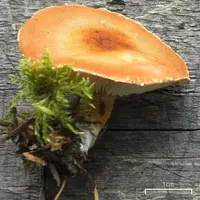
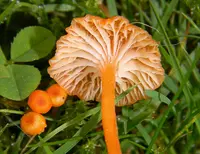
Orange moss agaric, Rickenella fibula, is a tiny moss-associated mushroom rather than a typical houseplant. It forms delicate, bright orange caps on very thin stems, usually only a few millimeters tall. The fruiting bodies often appear scattered among mosses on damp soil, rotting wood, or peat in forests, bogs, and shaded lawns in temperate regions.

This species prefers consistently moist, cool, and shaded conditions with moss present as its main habitat partner. It is not a beginner-friendly species to cultivate, as it needs stable humidity and a naturalistic, moss-rich substrate to complete its life cycle. Enthusiasts who want to learn how to care for Orange Moss Agaric usually focus on recreating its moist woodland microhabitat in controlled setups.

Main Plant Requirements

Care Difficulty

Moderate Care

Light Preference

Partial Shade

Water Requirements

Keep Soil Moist

Temperature Preference

Cool Climate

Hardiness Zone

5–9

Soil Texture

Loamy, Peaty, Organic-rich

Soil pH

Strongly acidic (4.5–5.5), Acidic (5.5–6.5)

Soil Drainage

Moist but well-drained

Fertilization

Minimal (feed rarely)

Get Personalized Care Plan

Scan your plant to receive care tips personalized for your specific plant

Available on iOS and Android

How to Care for the Orange Moss Agaric

This small moss-dwelling fungus prefers cool, subdued light that mimics a shaded forest floor.

  • Provide bright shade or dappled light under shrubs, grasses, or low tree canopy, with 1–3 hours of gentle morning sun at most for Orange Moss Agaric.
  • Avoid direct midday or afternoon sun, which can dry moss and leaf litter, stressing the fine mycelium and reducing fruiting.
  • In summer, increase shade with leaf litter or nearby plants; in winter, fallen leaves and low sun usually give sufficient filtered light.

This species thrives in consistently moist, mossy habitats rather than in standing water or dry soil.

  • Aim for evenly damp conditions in the moss or leaf-litter layer; surfaces should feel moist but not squelching when pressed.
  • Allow only the very top 0.5–1 cm of substrate to begin drying before rewetting, then water gently so moisture soaks in without pooling.
  • Increase moisture during warm, windy periods; reduce added water in cool, wet seasons, watching for mold, sour smell, or slimy patches as signs of overwatering.

This moss-associated fungus performs best in cool to mild conditions and declines in prolonged heat or deep frost.

  • Optimal fruiting occurs around 45–65°F (7–18°C), typical of cool, damp seasons in many temperate regions.
  • Mycelium usually tolerates short dips to about 25–30°F (-4 to -1°C) under insulating moss or leaf litter, but exposed fruiting bodies are easily damaged by hard frost.
  • Sustained temperatures above 80°F (27°C), especially if dry, reduce vigor; provide shade and extra moisture during hot spells and expect fewer mushrooms in midsummer.

This moss-associated fungus prefers consistently moist air close to damp substrates rather than dry indoor conditions.

  • Aim for 60–80% humidity by growing Orange Moss Agaric over continually moist, not waterlogged, moss or leaf litter.
  • Dry air causes caps to shrivel, fade, and disappear quickly, even if the underlying substrate is still damp.
  • Use enclosed, ventilated terrariums or shaded, humid outdoor spots to maintain a stable moist microclimate around the fruiting bodies.

This species naturally fruits on mossy, organic-rich surfaces rather than conventional potting soil.

  • Provide a shallow layer of fine, decomposed leaf litter mixed with well-rinsed sphagnum or live moss to mimic a forest floor.
  • Maintain loose, airy structure that stays evenly moist yet drains freely, avoiding compacted or sticky textures.
  • Use slightly acidic conditions around pH 5.0–6.5 by incorporating pine needles, oak leaves, or peat-based components in modest amounts.
  • Avoid dense clay, heavily fertilized mixes, or sterile mineral substrates, which inhibit Rickenella fibula colonization and fruiting.

This species can be grown in containers only as a specialized moss microhabitat rather than a typical potted plant.

  • Choose wide, shallow trays to maximize horizontal moss colonization and keep the fruiting zone close to the surface.
  • Select opaque or thick-walled containers outdoors to buffer rapid temperature and moisture swings at the moss layer.
  • Elevate containers slightly on feet or mesh so drainage holes clear freely and the moss mat never sits in standing water.

Rickenella fibula is a tiny moss-associated fungus that generally needs no fertilization when growing in natural or well-balanced mossy substrates.

Rickenella fibula does not require pruning, as each mushroom fruiting body is short-lived and naturally replaced by new growth from the mycelium.

Transplanting this fungus is rarely successful, since Rickenella fibula depends on delicate associations with moss and specific microhabitats.

  • If moving a colony, transplant during cool, moist weather to reduce desiccation stress.
  • Lift and move intact moss patches with minimal disturbance, keeping the underlying substrate attached.
  • Place the moss patch onto a similar, consistently damp site with comparable light and soil conditions.
  • Water gently after transplanting and maintain high humidity so the moss layer does not dry out.

Propagation of Rickenella fibula is not typically managed by home growers, since it spreads by microscopic spores under suitable mossy conditions.

This small woodland fungus is generally cold hardy in temperate climates and needs no specific winter care when left in natural mossy habitats.

Care Tips

Moss Substrate Preparation

Before introducing the fungus, collect clean, pesticide-free moss from a similar habitat, rinse it in rainwater or dechlorinated water, and lightly squeeze it so it is moist but not dripping to create a stable base for growing Orange Moss Agaric.

Spore Inoculation Method

To establish a colony, place mature caps gill-side down on the moss for 12–24 hours, then gently mist so spores wash into the moss cushions instead of running off the surface.

Maintain Microclimate Pockets

Arrange small stones, bark pieces, or rotting twigs around the moss to create shaded, humid pockets that protect the fine mycelium from rapid drying and direct air drafts.

Rotting Wood Integration

Tuck small, partially decomposed hardwood twigs under the moss layer so they stay in contact with the fungal network, providing a slow-release food source that supports repeated fruiting flushes.

Gentle Harvest Technique

When harvesting, pinch or cut mushrooms at the base instead of pulling, and avoid disturbing the moss layer so the underlying mycelium remains intact and can fruit again.

Common Pests and Diseases

Fungus gnat larvae

This pest targets constantly moist, organic-rich substrates and can damage delicate fungal mycelium and nearby moss roots. Symptoms include thinning or collapse of tiny fruiting bodies and visible small black gnats hovering over the substrate.

Solution

Let the surface layer of the substrate dry slightly between waterings, use fine-grain sand or small gravel as a top dressing, and place yellow sticky traps to reduce adult gnats. For persistent issues, apply a biological control containing Bacillus thuringiensis israelensis (BTI) according to label directions to target larvae without harming the fungus.

Mite grazing

These insects are microscopic arthropods that can graze on the mycelium and young caps of small moss-associated fungi. Symptoms include misshapen or aborted fruiting bodies and a patchy or thinned colony in terrarium or culture conditions.

Solution

Increase air movement slightly, keep the habitat clean of decaying organic debris, and if in a contained setup, temporarily lower humidity within the safe range for the moss to slow mite reproduction. In cultivation or laboratory-style setups, introduce predatory mites sourced from biological control suppliers to reduce pest mite populations without chemicals.

Competing mold overgrowth

This disease is caused by fast-growing molds that overrun the delicate mycelium on very wet, stagnant substrates. Symptoms include fuzzy white, gray, or green mold patches that spread quickly over the moss surface and smother fruiting bodies.

Solution

Improve airflow, reduce constant surface wetness, and carefully remove heavily colonized substrate and debris with clean tools. In controlled culture, thin out dense organic material, avoid over-fertilization, and use boiled or filtered water to reduce spore load while maintaining only the minimal moisture required for growing Orange Moss Agaric.

Interesting Facts

Moss-dwelling specialist

This tiny agaric grows directly among living moss, especially in damp, acidic habitats such as bogs, wet heaths, and mossy lawns, rather than on wood or soil like many other gilled mushrooms.

Semi-transparent orange cap

The cap is often only a few millimeters wide and shows a bright orange to yellow-orange color with a slightly translucent, watery appearance when moist, making it stand out sharply against green moss.

Moss leaf mimicry

Its fine, pale stems and small caps can visually blend into moss leaves, which may help reduce detection by small grazers and makes the fruiting bodies easy to overlook in the field.

Botan icon

Did you know?

Molecular studies have shown that this species, once placed in larger agaric genera based on appearance alone, belongs in a distinct lineage adapted to moss-rich environments, leading to taxonomic re-evaluation of several similar tiny orange mushrooms.

FAQs about Orange Moss Agaric

Growth is slow and patchy. The fungus relies on existing moss and fine organic debris, so new fruiting bodies usually appear over several months or seasons rather than weeks, often following consistent moisture and mild temperatures.

Grow Healthy Plants with Botan Care

Keep your plants happy and healthy with plant identification, disease detection, and easy care guidance.

Botan plant care app — identify plants on mobile

Explore More Plants