Cyperus crassipes Care

About Cyperus crassipes

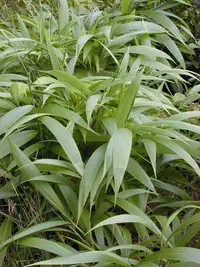
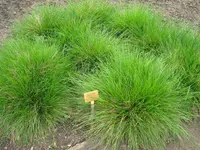
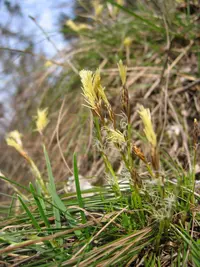
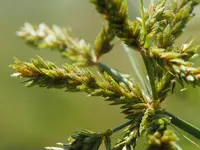
Cyperus crassipes is a perennial sedge from wetlands and river margins, forming dense clumps of upright, grass-like stems. It belongs to the same broader group as papyrus and umbrella sedges.

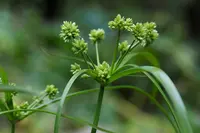
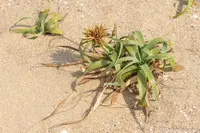
The plant typically has thick, glossy green leaves and tufted growth at the stem tips, giving it a soft, fountain-like look. It spreads by rhizomes, which can make it vigorous in suitable conditions.

In nature, Cyperus crassipes occurs in tropical and subtropical regions of Africa and nearby areas, usually in shallow water or very wet soils. Its strong preference for constant moisture and bright light is the main factor that influences how to care for Cyperus crassipes.

This species is generally considered moderately easy if a consistently wet, nutrient-rich substrate and ample light can be provided.

Main Plant Requirements

Care Difficulty

Moderate Care

Light Preference

Full Sun

Water Requirements

Aquatic

Temperature Preference

Tropical / Frost Sensitive

Hardiness Zone

9–11

Soil Texture

Loamy, Silty, Organic-rich

Soil pH

Acidic (5.5–6.5), Slightly acidic (6.5–7.0)

Soil Drainage

Waterlogged tolerant

Fertilization

Light (every 4–6 weeks)

Get Personalized Care Plan

Scan your plant to receive care tips personalized for your specific plant

Available on iOS and Android

How to Care for the Cyperus crassipes

This aquatic sedge prefers bright conditions that mimic open, sunlit wetlands.

  • Provide 4–6 hours of direct morning sun with bright, filtered light or high bright shade in the afternoon to prevent leaf scorch.
  • The plant tolerates light to partial shade, but stems may elongate and foliage lose vigor if light drops below roughly 3–4 hours of strong light per day.
  • In hot summers, protect from intense afternoon sun; in cooler seasons, shift exposure to capture more direct light for steady growth of Cyperus crassipes.

This species thrives with constant moisture and does not tolerate drying out.

  • Maintain soil or substrate consistently saturated; for pond or bog planting, allow water to stand over the crown by 2–10 cm, avoiding full submersion of all foliage.
  • Watch for drooping, yellowing, and crispy leaf tips as signs of underwatering, while foul odor, mushy stems, or algae-covered, stagnant containers suggest poor drainage or anaerobic conditions.
  • In hot, windy periods, top up water daily so levels do not recede below the root zone; in cooler seasons, maintain saturation but reduce additions if evaporation slows.

This wetland plant prefers warm, frost-free conditions throughout the year.

  • Aim for 70–85°F (21–29°C) for strongest growth, with steady moisture and sun; growth slows noticeably below 65°F (18°C).
  • Avoid temperatures below 55°F (13°C); light frost can damage foliage, and hard freezes can kill roots, especially in shallow containers or small ponds.
  • Cyperus crassipes tolerates short peaks up to about 95°F (35°C) if water remains deep and cool, but extreme heat with low water levels can stress and scorch plants.

This semi-aquatic species prefers very high humidity and constant surface moisture around foliage and stems.

  • Aim for 70–90% humidity, using trays of water or placement near shallow water features to keep the air moist.
  • It tolerates brief dips to 50–60% humidity but leaf tips brown and edges curl if air stays dry.
  • Persistent crisping, stalled growth, and rapid evaporation from trays indicate low humidity; increase surrounding water area or clustering of plants to raise moisture levels.

Cyperus crassipes thrives in saturated, organic-rich substrates that mimic shallow wetland edges.

  • Use a heavy loam rich in organic matter, such as 2 parts garden loam, 1 part compost, and 1 part fine sand for structure.
  • Allow very slow drainage or no drainage at all, keeping the root zone consistently waterlogged rather than merely moist.
  • A slightly acidic to neutral pH of 6.0–7.0 supports nutrient availability and stable growth in wet conditions.
  • Avoid peat-heavy, fluffy, or very sandy mixes that dry quickly or float, and prevent the substrate from ever drying out completely.

This species is suitable for container growing when the pot is treated as a mini-bog or placed in standing water.

  • Choose a wide, heavy container so the tall, clumping growth does not tip over when water levels are high.
  • Use pots without drainage holes or stand holed pots inside a watertight outer container to maintain a constant water reservoir.
  • Place the container in a larger tray or pond with 5–10 cm water above the soil surface to keep roots fully saturated.

Nutrient-rich, wet substrates usually meet the needs of Cyperus crassipes, but light feeding improves container-grown plants.

  • Use a balanced liquid fertilizer (for example 10-10-10) at 1/4–1/2 strength for plants in pots or lined ponds.
  • Feed every 4–6 weeks during the active growing season in spring and summer.
  • Avoid fertilizing into standing natural waterways to prevent nutrient pollution and algal blooms.
  • Stop feeding or reduce to once in winter, as growth slows and excess salts can build up.

Pruning for Cyperus crassipes focuses on hygiene and keeping clumps tidy rather than shaping.

  • Best timing is late winter to early spring, before strong new growth starts.
  • Cut back dead, yellowing, or damaged stems at the base using clean, sharp scissors or hand pruners.
  • Thin crowded shoots to improve air flow and light penetration through the clump.
  • Removing old stems encourages fresher growth and reduces habitat for pests and fungal problems.

Transplanting is more relevant than repotting for Cyperus crassipes, which is often grown in ponds or large containers.

  • Transplant when roots tightly fill baskets or containers, growth slows, or plants float unevenly.
  • Best timing is in warm late spring to early summer, when water temperatures are stable.
  • Typically divide and reset clumps every 2–3 years to prevent overcrowding and nutrient depletion.
  • Gently tease roots apart, trim damaged sections, replant at the same depth, and keep water calm for several days to limit stress.

Cyperus crassipes is commonly propagated by division, which maintains the same growth form as the parent plant.

  • Divide mature clumps in late spring or early summer when water and air temperatures are warm.
  • Lift baskets or sections, then split the root mass into smaller pieces, each with several healthy shoots.
  • Replant divisions into mesh baskets or shallow containers filled with heavy loam and submerge gradually.
  • Keep water still, warm, and consistently shallow around new pieces until new roots and shoots establish.

Cyperus crassipes is frost-tender, so winter care is essential in regions with temperatures below 40°F.

  • In cold climates, move container plants indoors to a bright, cool, frost-free space before first frost.
  • For in-ground plantings, grow in baskets so entire units can be lifted and overwintered under cover.
  • Maintain water above 50°F if possible and keep crowns just submerged to reduce stress and rot.

Care Tips

Submerged Container Method

Grow the plant in a plastic nursery pot with drainage holes and sink it into a larger watertight container or pond shelf so you can easily lift it out for grooming, division, or pest checks without disturbing the whole water feature.

Controlled Rhizome Division

Divide clumps only when roots fill the container, then cut the rhizomes into firm, healthy sections with at least 3–5 stems each to maintain vigor and reduce transplant shock.

Nutrient Management In Water

In ponds or tubs, supply nutrition with slow-release aquatic fertilizer tablets pushed into the root zone rather than broadcast fertilizers, which can trigger algae blooms and unstable water chemistry.

Winter Storage Strategy

In colder regions, lift container-grown plants before frost and overwinter them in a cool, bright indoor tub of water, trimming back weak stems to reduce stress and keep the crown just at water level.

Algae And Debris Control

Periodically remove dead leaves, spent flower stalks, and surface algae around the plant to keep water oxygen levels higher, reduce pest habitat, and support long-term stability when growing Cyperus crassipes.

Common Pests and Diseases

Spider mites

This pest thrives in warm, dry air and can colonize the fine foliage, causing tiny yellow speckling and a dull, dusty appearance. Symptoms include fine webbing on stems and leaf bases and gradual loss of vigor.

Solution

Rinse foliage thoroughly with a strong but controlled stream of water, focusing on the undersides and bases of stems, and repeat every few days for 1–2 weeks. If populations persist, use an insecticidal soap or horticultural oil labeled for mites, and increase ambient humidity around the plant while still maintaining good air movement.

Aphids

These insects cluster on the soft, young shoots and inflorescences, sucking sap and excreting sticky honeydew that can lead to sooty mold growth. This pest causes distorted new growth and weakened stems, especially on container-grown plants with lush foliage.

Solution

Manually wash off colonies with water or gently wipe infested shoots, then prune heavily affected tips if necessary. For ongoing issues, apply insecticidal soap or neem oil to the tender growth every 5–7 days until populations drop, and avoid excessive nitrogen fertilization that encourages very soft, aphid-prone shoots when growing Cyperus crassipes.

Leaf spot

This disease is caused by fungi or bacteria that take advantage of constantly wet foliage and dense, saturated growth. Symptoms include small brown, tan, or dark water-soaked spots on leaves that can expand and merge under prolonged high humidity and poor air movement.

Solution

Remove and discard affected leaves promptly and avoid overhead splashing that keeps foliage wet for long periods, especially in containers or indoor tanks. Improve spacing and airflow, and if the problem continues, use a copper-based or other broad-spectrum fungicide labeled for ornamental foliage plants, applying only to healthy, emerging leaves to protect them.

Stem and crown rot

This disease develops in waterlogged or poorly aerated substrates around the base of the clumps, even though the species prefers very wet conditions. Symptoms include soft, brown, collapsing stems at the crown and a sour or rotten smell from the planting medium or waterlogged container soil.

Solution

Remove and discard all softened, discolored stems and thin overcrowded clumps to restore some water movement around the base. In container culture, improve water quality and oxygenation by refreshing water or using a coarse, saturated but aerated medium, and consider applying a biological fungicide (for example based on Trichoderma or Bacillus species) to help suppress rot pathogens.

Interesting Facts

Floating mat former

This species naturally forms buoyant, interwoven clumps of stems and roots that create floating mats along slow-moving tropical waterways, where it helps stabilize fine sediments.

Whorled umbrella heads

It produces distinct whorls of radiating leafy bracts beneath its flower clusters, giving an umbrella-like appearance that increases surface area for photosynthesis above the waterline.

Specialized wetland roots

Its dense, fibrous root and rhizome system is adapted to low-oxygen, waterlogged substrates, allowing the plant to anchor in soft mud while tolerating periodic submersion.

FAQs about Cyperus crassipes

This species spreads by rhizomes and self-seeding in shallow water and saturated soil. In mild climates it can form dense clumps, so use physical barriers, containers, or regular thinning to prevent unwanted takeover of small ponds or wetlands.

Grow Healthy Plants with Botan Care

Keep your plants happy and healthy with plant identification, disease detection, and easy care guidance.

Botan plant care app — identify plants on mobile

Explore More Plants