

yellow nutsedge Identification (Cyperus esculentus)

To recognize yellow nutsedge, look for a grass-like sedge with solid, three-sided stems, narrow leaves arising in three ranks from the stem base, and an umbrella-like flower cluster topped by several long leaflike bracts.

Plants usually stand about 8 to 24 inches (20 to 60 cm) tall.

Cyperus esculentus Identification

Identify a Plant by Photo

Take or upload a photo to confirm your plant ID with Botan.

Clear images work best. Avoid photos taken too close or too far away

Check the plant’s stem, leaves, and flower cluster at a glance.

  • Stems are upright, leafless near the tip, and sharply triangular in cross-section.
  • Leaves arise mostly from the base, are narrow and grass-like, and often stand longer than the stems.
  • Plants usually reach 8-32 inches (20-80 cm) tall and grow in tight clumps from the base.
  • The top carries an umbrella-like cluster of yellow-brown spikelets, with 3-8 long leaflike bracts below it.

If visible, the flower cluster and three-angled stem are the quickest field clues.

Cyperus esculentus shows clear visual shifts from grasslike seedlings to flowering sedges.

  • Seedling: Seedlings appear as a few narrow, bright green blades from the base, without the dense tuft or obvious upright triangular stems seen later.
  • Young plant: Young plants form a small tuft of basal leaves and erect stems, usually under 12 inches (30 cm), with leaves still shorter than mature stems.
  • Mature plant: Mature yellow nutsedge stands in a tighter clump, with taller, sharply three-angled stems and longer basal leaves that arch outward from the base.
  • Flowering stage: At flowering, leaflike bracts spread below a loose cluster of flattened spikelets, making the top look starry and more branched than vegetative plants.

In spring, yellow nutsedge reappears from underground tubers as upright, bright green, grass-like leaves. By early to midsummer, the flowering stems rise above the leaves, making the plant easier to pick out. The seed heads are most noticeable in summer, with loose clusters of straw-yellow to brown spikelets. After frost, the top growth dies back, so plants disappear above ground and only the dried remains may be visible.

A few sedges are often mistaken for yellow nutsedge.

purple nutsedge(Cyperus rotundus)

Often confused because both form upright grassy clumps with triangular stems and umbrella-like seed heads. Purple nutsedge usually has darker reddish-purple spikelets, while this plant has yellow to straw-colored spikelets.

rice flatsedge(Cyperus iria)

Similar narrow leaves and clustered sedge heads can cause confusion. Rice flatsedge is usually an annual without the chain of underground tubers; its seed heads are often denser and more golden-brown.

green kyllinga(Kyllinga brevifolia)

It can resemble a low sedge in lawns. Green kyllinga has a single round, button-like flower head at the stem tip, not the branched umbrella-like cluster seen here.

Cyperus esculentus is widely considered native across parts of Africa, southern Europe, and western to southern Asia, though its exact original range is debated because it has spread so broadly. For identification, habitat is still useful. It commonly appears in wetlands, ditch margins, irrigated fields, seasonally wet disturbed ground, and other moist lowland sites. Finding a sedge in persistently damp soil, especially in open sunny areas, helps narrow it toward this species.

Scan. Check. Confirm.

Use Botan to identify or verify a plant from a photo, which helps avoid mix-ups before labeling, comparing, or looking up the right information.

FAQ

The stems are leafless, stiff, and distinctly triangular in cross section, not round. They are usually smooth and upright. This three-angled stem is one of the clearest clues when identifying yellow nutsedge.

More Plant Identification Guides

From Plant ID to Plant Info

Identify a plant from a photo with Botan, then review species-specific care information, common problems, and safety notes.

Botan app identifying a plant from a photo
Dill Companion Plants – What to Grow Next to Dill

9 min read · 17 Jul 2026

Dill Companion Plants – What to Grow Next to Dill

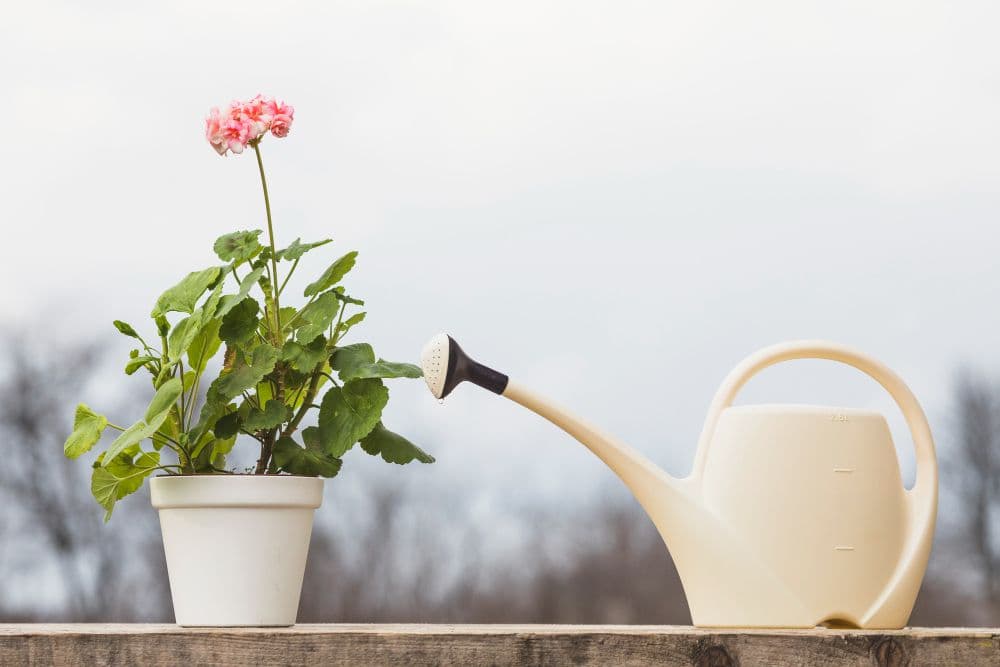
Dill is an easy-to-grow plant that gets along well with many vegetables. This guide describes 15 plants that can be planted alongside it, a few to avoid, and mistakes that can quietly sabotage the entire process.

Plant Recommendations
Dill Companion Plants – What to Grow Next to Dill
How Long Can Flowers Go Without Water? Everything You Need to Know

6 min read · 10 Jul 2026

How Long Can Flowers Go Without Water? Everything You Need to Know

Flowers can survive without water anywhere from 1-2 hours to several months, depending on the plant type, species, and growing conditions. Some strong-looking flowers are drought-sensitive, while delicate-looking plants may tolerate long dry periods surprisingly well.

Plant Care
How Long Can Flowers Go Without Water? Everything You Need to Know
How to Mist Plants – Proper Technique and Common Mistakes

7 min read · 30 Jul 2026

How to Mist Plants – Proper Technique and Common Mistakes

Find out when misting works well and when to avoid it. Here, you’ll find detailed information about compatible and incompatible species, tips on how often to mist plants and do it correctly, and some great alternatives for raising humidity.

Beginner Guides
How to Mist Plants – Proper Technique and Common Mistakes