

Protect swollen caudex
Raise the plant slightly above the pot rim using a gritty top dressing so the swollen base dries fast after watering and does not sit in wet mix, which greatly reduces rot risk when growing Butterwood Grape.

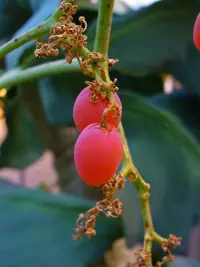
Cyphostemma bainesii, often called butterwood grape, is a succulent shrub from southern Africa. It forms a thick, swollen trunk that stores water and supports sparse, trailing or climbing stems. Leaves are usually fleshy and ornamental, giving the plant a sculptural, bonsai-like look, especially when grown in containers. In habitat it experiences strong sun, rocky soils, and seasonal drought. This background makes it relatively drought-tolerant but sensitive to overwatering and poor drainage. Those points are key when learning how to care for Butterwood Grape in a home or greenhouse setting.

Care Difficulty
Moderate Care

Light Preference
Full Sun

Water Requirements
Low Water

Temperature Preference
Tropical / Frost Sensitive

Hardiness Zone
10–11

Soil Texture
Sandy, Loamy, Rocky

Soil pH
Slightly acidic (6.5–7.0), Neutral (7.0)

Soil Drainage
Well-drained

Fertilization
Minimal (feed rarely)
Scan your plant to receive care tips personalized for your specific plant
Available on iOS and Android
This succulent caudiciform vine prefers strong light but needs protection from intense midday sun.
Watering should respect its succulent caudex, which stores moisture and dislikes staying wet for long.
This species prefers warm, dry conditions and is sensitive to frost and prolonged cold.
Cyphostemma bainesii handles typical indoor humidity well but benefits from slightly drier air than many tropical houseplants.
Cyphostemma bainesii needs a very fast-draining, mineral-based mix that protects its caudex from prolonged moisture.
This species is well suited to container growing, especially when the pot protects its swollen caudex and promotes fast drainage.
Cyphostemma bainesii is a slow-growing caudiciform that benefits from light, controlled feeding during active growth only.
Pruning Cyphostemma bainesii is mainly corrective, aimed at maintaining a clean, balanced structure.
This species prefers stable conditions, so repot or transplant Cyphostemma bainesii only when clearly necessary.
Propagation of Cyphostemma bainesii is possible but slow and best done by experienced growers.
This caudiciform vine is sensitive to cold and requires careful indoor or greenhouse management in winter.

Plant Health Check
Not sure what's wrong with your plant? Check your plant's health inside the app.
This species forms a massive, water-storing caudex (swollen stem base) that allows it to survive long periods of drought in its native rocky habitats of southern Africa.
It is strongly deciduous, producing lush, broad leaves only in the warm rainy season and then dropping them completely in the dry season to reduce water loss.
Mature plants develop thick, corky bark that flakes and peels, helping insulate the caudex from intense sun and temperature swings in exposed rock outcrops.

In the wild, this species often anchors itself in rock crevices or shallow, stony soils, with most of its bulk hidden below or at soil level, so mature specimens can be far older and larger than they appear from the small portion visible above ground.
Brown leaf edges usually result from underwatering, intense sun exposure, or low humidity. Large brown patches with a soft base can indicate rot from staying wet too long. Remove damaged tissue and adjust watering and ventilation promptly.
Keep your plants happy and healthy with plant identification, disease detection, and easy care guidance.

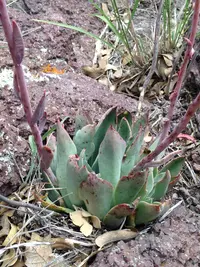
desert savior
Echeveria strictiflora
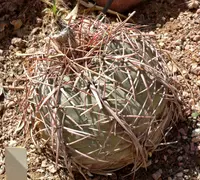
turk's head cactus
Echinocactus horizonthalonius
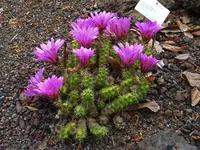
Berlandier's hedgehog cactus
Echinocereus berlandieri
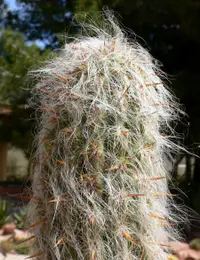
Old Man of the Andes
Oreocereus celsianus
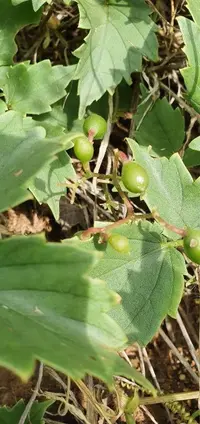
Cyphostemma adenocaule
Cyphostemma adenocaule
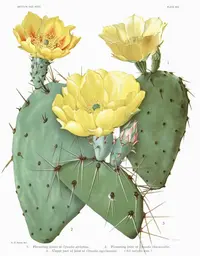
border pricklypear
Opuntia atrispina
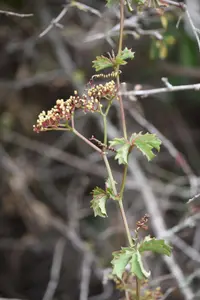
Potato Grape
Cyphostemma quinatum
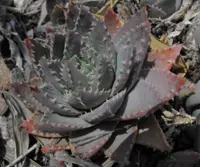
Short-leaved aloe
Aloe brevifolia