

Mulch Ring Management
Maintain a 5–8 cm deep ring of loose, undecayed leaf mulch around but not touching the crowns, and lightly top it up each fall to protect buds and keep roots cool without smothering new shoots.

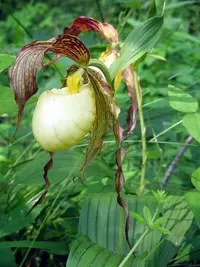
Kentucky lady's slipper, Cypripedium kentuckiense, is a hardy terrestrial orchid native to moist woodlands and stream banks in the southeastern United States. It forms clumps of upright stems with broad pleated leaves.
The plant is best known for its large, inflated, pale yellow pouch-like flowers with contrasting darker petals, usually appearing in late spring. It grows from underground rhizomes, going dormant each winter and re-emerging in spring.
This species is considered challenging for beginners because it dislikes disturbance, needs cool roots, and demands consistently moist but well-drained, humus-rich soil. Gardeners who learn how to care for Kentucky lady's slipper often succeed by closely matching its cool, lightly shaded woodland habitat.

Care Difficulty
Hard Care

Light Preference
Partial Shade

Water Requirements
Keep Soil Moist

Temperature Preference
Cold Hardy

Hardiness Zone
4–8

Soil Texture
Loamy, Silty, Organic-rich

Soil pH
Acidic (5.5–6.5), Slightly acidic (6.5–7.0)

Soil Drainage
Moist but well-drained

Fertilization
Minimal (feed rarely)
Scan your plant to receive care tips personalized for your specific plant
Available on iOS and Android
This hardy woodland orchid prefers bright, gentle light that mimics an open forest edge.
This species needs consistently moist but never waterlogged soil during the growing season.
This temperate orchid is adapted to climates with cool winters and mild to warm summers.
This hardy terrestrial orchid prefers moderately moist air but copes with typical outdoor garden humidity.
This species needs cool, moist, sharply draining, humus-rich soil to persist for many years.
This species can be grown in containers, but it performs best in deep, cool, very well-drained pots placed outdoors.
This hardy terrestrial orchid benefits from light, targeted feeding rather than heavy fertilization.
Pruning needs for Cypripedium kentuckiense are minimal and focus on hygiene rather than shaping.
This species is usually grown in the ground, so focus on careful transplanting rather than frequent repotting.
Propagation of Cypripedium kentuckiense is possible but slow and should be done cautiously to avoid losing established plants.
This cold-hardy woodland orchid tolerates typical winters in much of its hardy range with modest protection.

Plant Health Check
Not sure what's wrong with your plant? Check your plant's health inside the app.
This species produces some of the largest flowers in its genus, with pale yellow pouches and contrasting purple-brown streaks that can approach 8–10 cm across under good conditions.
It is naturally restricted to moist, seasonally flooded bottomland forests and stream terraces in the southeastern United States, a habitat preference that makes wild populations highly sensitive to drainage and land-use change.
Its tiny, dust-like seeds rely on a specific mycorrhizal fungus for germination and early growth, which is one reason why successful Cypripedium kentuckiense plant care from seed is difficult outside controlled conditions.

This orchid is considered rare throughout its native range and is listed as threatened or of special concern in several U.S. states due to habitat loss, hydrological changes, and illegal collection from the wild.
Lack of flowering often results from plants being too young, recently transplanted, or stressed by heat, drought, or disturbance of roots. Heavy shade, excess nitrogen, or very dry spring conditions can also reduce or delay bloom formation.
Keep your plants happy and healthy with plant identification, disease detection, and easy care guidance.

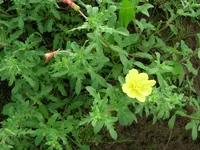
cutleaf evening primrose
Oenothera laciniata
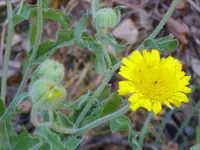
Common Andryala
Andryala integrifolia
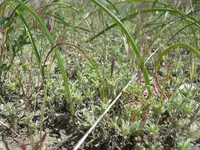
false neststraw
Ancistrocarphus filagineus
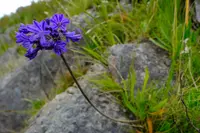
Lily of the Nile
Agapanthus africanus
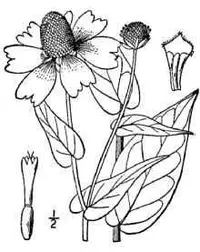
clasping coneflower
Rudbeckia amplexicaulis
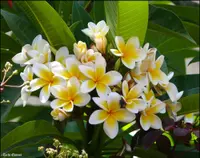
Mexican Plumeria
Plumeria rubra
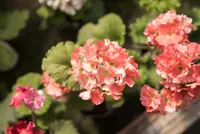
Horseshoe geranium
Pelargonium zonale
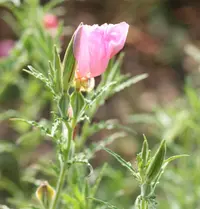
fourwing evening primrose
Oenothera tetraptera