pine powdercap Care (Cystoderma jasonis)

pine powdercap

About pine powdercap

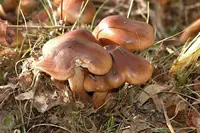
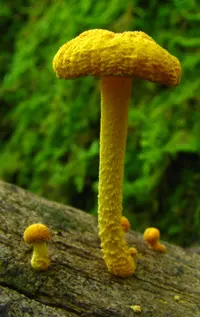
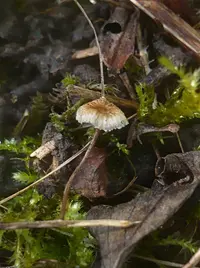
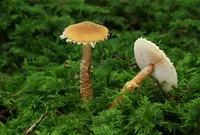
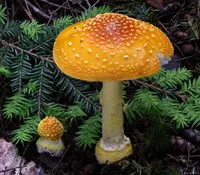
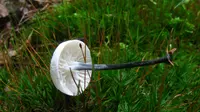
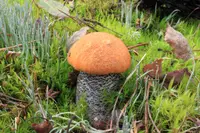
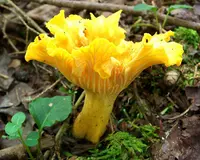
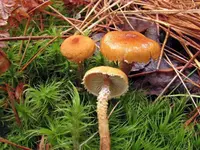
Pine powdercap, Cystoderma jasonis, is a small basidiomycete fungus rather than a true plant. It produces delicate, powdery-capped mushrooms that appear close to pine litter and conifer debris. Caps are usually pale to yellowish with a fine granular surface, and slender stems often match or slightly contrast the cap color.

This species is typically found in temperate coniferous forests, especially in association with pine. It prefers moist, well-drained, organic-rich substrates and appears in cool, damp seasons. Because it is a wild woodland fungus with specific habitat needs, it is not a beginner-friendly species to cultivate, and attempts to care for pine powdercap at home are rarely successful.

Main Plant Requirements

Care Difficulty

Hard Care

Light Preference

Partial Shade

Water Requirements

Regular Water

Temperature Preference

Cool Climate

Hardiness Zone

Unknown

Soil Texture

Loamy, Peaty, Organic-rich

Soil pH

Acidic (5.5–6.5)

Soil Drainage

Moist but well-drained

Fertilization

Minimal (feed rarely)

Get Personalized Care Plan

Scan your plant to receive care tips personalized for your specific plant

Available on iOS and Android

How to Care for the pine powdercap

This forest-dwelling fungus prefers cool, subdued light similar to a shaded conifer woodland floor.

  • Provide bright shade or dappled light under trees, with no more than 1–2 hours of weak morning sun and full protection from harsh midday and afternoon sun.
  • Aim for conditions where surrounding vegetation filters direct rays, mimicking a north- or east-facing woodland edge with 6–8 hours of indirect daylight.
  • Excessive sun dries the substrate and can scorch fruiting bodies, while deep, continuous shade may reduce pine powdercap fruiting density.

Cystoderma jasonis requires consistently moist, not waterlogged, conditions in organic, free-draining woodland soil.

  • Maintain evenly moist leaf litter or soil, allowing only the top 1–2 cm to dry slightly before rewetting, especially during active mushroom formation.
  • Use loose, humus-rich, well-drained substrate so excess water drains freely, avoiding puddling that leads to rot and loss of mycelial vigor.
  • In dry, warm periods, increase moisture with gentle, frequent soaking; in cool, wet seasons, reduce added water and watch for standing water or sour odors as overwatering signs.

This species develops best in cool, temperate woodland conditions with moderate seasonal shifts.

  • Optimal fruiting typically occurs around 50–65°F (10–18°C), with mycelial growth tolerating roughly 41–68°F (5–20°C) in the soil or litter layer.
  • It withstands brief drops near 32°F (0°C) at the surface, but repeated hard frosts can damage exposed fruiting bodies and slow underground activity.
  • Sustained heat above about 75°F (24°C), especially when combined with dry air, reduces fruiting; provide shade, mulch, and stable moisture during hot spells.

Humidity plays a minor role for Cystoderma jasonis, which primarily relies on overall substrate moisture rather than air moisture.

This fungus fruits best in consistently moist, loose, organic-rich substrate with rapid drainage and good aeration.

  • Use a loose mix of fine wood chips, leaf litter, and well-decomposed compost to mimic forest-floor humus.
  • Ensure sharp drainage so the substrate stays moist but never waterlogged, which quickly rots developing mycelium and caps.
  • Aim for slightly acidic to neutral conditions around pH 5.5–7, avoiding limed or strongly alkaline substrates.
  • Avoid compacted, heavy clay or pure sand; mix in fibrous organic matter to increase pore space and oxygen availability.

This species is not well suited to long-term container growing, as it prefers stable, natural forest-floor conditions rather than confined substrates.

This wood-inhabiting fungus does not require routine fertilization in natural or garden settings.

Cystoderma jasonis does not need intentional pruning, but occasional hygiene maintenance is useful in cultivation.

  • Remove decayed or insect-damaged fruiting bodies with clean gloves or tools to limit disease spread.
  • Cut or twist off spent mushrooms at the base if they are unsightly or obstruct access paths.
  • Avoid disturbing the underlying mycelium; do not dig or rake deeply around the colony.
  • Discard removed material in household trash or hot compost, not back onto the growing site.

This species is rarely grown in containers; care focuses on minimal disturbance of natural or inoculated substrates.

  • Transplant only if the colonized wood or substrate must be moved, as disturbance can weaken the mycelium network.
  • Best timing is during cool, moist weather in fall, moving whole logs or substrate blocks intact.
  • Shift material gently to a new shaded, well-drained location with similar moisture and wood type.
  • Water lightly after relocation to settle substrate, then avoid frequent disturbance so the mycelium can recover.

Propagation of Cystoderma jasonis is specialized and not commonly attempted by home growers.

This fungus is naturally cold hardy in its range and usually needs no special winter care outdoors.

Care Tips

Use sterile substrate

Prepare a low-nutrient, well-drained mix (such as pasteurized leaf litter with a little fine bark) and heat-treat it in an oven or pressure cooker to reduce competing fungi and bacteria before introducing Cystoderma jasonis mycelium.

Mimic forest litter

Layer clean, partially decomposed hardwood leaves or fine conifer needles on top of the substrate to imitate natural forest duff, which helps maintain surface moisture and provides a more familiar structure for the fungus to colonize.

Control air exchange

If fruiting in a closed container or tent, open vents or lids briefly 1–2 times a day to refresh air and avoid carbon dioxide build‑up, which can cause long, weak stems and poorly formed caps.

Gentle surface misting

Use a fine-mist spray bottle aimed above the culture so droplets fall like light fog onto the surface, keeping humidity high without saturating the substrate, which reduces the risk of bacterial slime and mold outbreaks when growing pine powdercap.

Strategic harvesting

Harvest fruiting bodies by twisting gently at the base as soon as caps fully expand, leaving the surrounding mycelium undisturbed so it can redirect energy into forming additional flushes rather than repairing mechanical damage.

Common Pests and Diseases

Mite feeding damage

This pest is caused by small soil or litter-dwelling mites that graze on developing caps and gills, leaving pitted, rough, or discolored surfaces. Symptoms include deformed caps, small holes, and rapid decline of fruit body quality.

Solution

Remove and discard heavily damaged fruit bodies and any surrounding litter where mites are concentrated. Keep collection or cultivation areas clean, avoid storing decaying plant material nearby, and, if cultivating, use fresh, pasteurized substrate and good hygiene to reduce mite populations.

Fungus gnat larvae

These insects live as larvae in moist organic substrates and can tunnel through the stem base and underside of caps. Symptoms include soft, collapsing stems, small bore holes, and frass in the substrate around the fruit body base.

Solution

Discard heavily infested substrates or clusters and reduce excessive moisture that favors larval development. For controlled cultivation, use fine mesh screens, sticky traps for adults, and well-drained, not waterlogged, substrate to limit egg laying and larval survival.

Bacterial blotch

This disease is favored by persistent surface moisture on caps and stems, leading to greasy, water-soaked spots that turn yellow to brown. Symptoms include slimy patches and rapid breakdown of affected tissue.

Solution

Remove and discard affected fruit bodies and avoid handling them when wet. Improve air movement, avoid overhead misting directly on caps, and keep humidity moderate so surfaces dry quickly, which suppresses bacterial spread.

Parasitic mold overgrowth

This disease occurs when fast-growing competitor molds overrun developing fruit bodies, forming white, gray, or green fuzzy patches on caps, stems, or nearby substrate. Symptoms include stunted or misshapen mushrooms that fail to expand normally.

Solution

Immediately remove and dispose of contaminated substrate and fruit bodies to prevent further spore spread. In any cultivation or holding setup, reduce excess humidity, increase airflow, and rely on clean, well-prepared substrate to prevent mold establishment and support stable Cystoderma jasonis care.

Interesting Facts

Distinct powdery cap

The cap surface is covered with fine, mealy granules that give it a characteristic dusty appearance, especially toward the margin, which helps separate it from other small brownish mushrooms in mixed conifer forests.

Conifer litter specialist

This species is typically found fruiting on decomposing conifer needles and litter, indicating a saprotrophic lifestyle where it helps break down tough conifer debris and recycle nutrients in montane and subalpine forests.

Diagnostic ring structure

It usually forms a fragile, powdery ring on the upper stipe that is often yellowish to ochre, a microscopic and macroscopic character mycologists use to distinguish it from closely related Cystoderma species during identification.

FAQs about pine powdercap

This mushroom is not considered an edible species and should be treated as inedible. Identification of small brownish fungi is difficult, and confusing it with toxic lookalikes is easy, so it is safest not to consume it.

Grow Healthy Plants with Botan Care

Keep your plants happy and healthy with plant identification, disease detection, and easy care guidance.

Botan plant care app — identify plants on mobile

Explore More Plants