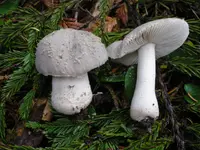
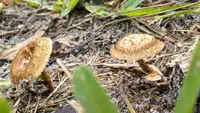
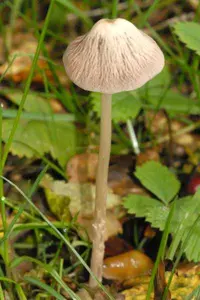
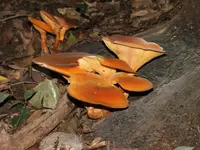
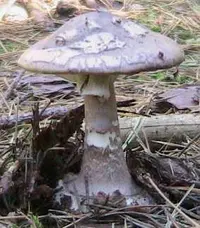
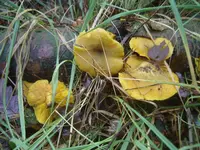
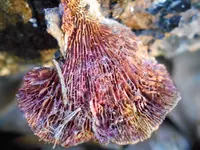
burnt knight Care (Tricholoma ustale)

burnt knight

About burnt knight

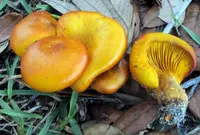
Burnt knight, Tricholoma ustale, is a wood-rotting mushroom rather than a leafy plant. It produces medium-sized, brown to dark chestnut caps with pale gills and a stout stem, often appearing in small groups.

This species occurs naturally in temperate forests of Europe, Asia, and North America, especially in association with beech and other broadleaf trees. It is considered difficult to cultivate because it relies on complex relationships with tree roots and specific forest soil conditions, so most people do not attempt to care for burnt knight at home.

Main Plant Requirements

Care Difficulty

Hard Care

Light Preference

Partial Shade

Water Requirements

Regular Water

Temperature Preference

Cool Climate

Hardiness Zone

Unknown

Soil Texture

Loamy, Organic-rich

Soil pH

Acidic (5.5–6.5)

Soil Drainage

Moist but well-drained

Fertilization

Minimal (feed rarely)

Get Personalized Care Plan

Scan your plant to receive care tips personalized for your specific plant

Available on iOS and Android

How to Care for the burnt knight

This ectomycorrhizal mushroom prefers low to moderate forest light rather than direct sun exposure.

  • Site Tricholoma ustale under closed or moderately open tree canopy, receiving dappled or filtered light for 2–4 hours/day at most.
  • Tolerates deep to partial shade; avoid prolonged direct midday or afternoon sun, which dries the forest floor and can inhibit fruiting.
  • Seasonal canopy thinning in autumn increases light; a slightly brighter but still shaded environment then can encourage burnt knight fruiting while maintaining moist leaf litter.

This fungus depends on consistently moist, well-drained forest soil rather than direct surface watering.

  • Aim for soil that feels evenly moist 2–5 cm deep, never waterlogged; excess standing water reduces oxygen and can damage tree roots that support Tricholoma ustale.
  • Use leaf litter or fine mulch to slow evaporation and buffer short dry spells, especially during warm, windy periods.
  • Watch for caps appearing after steady rain or irrigation; long dry periods without any soil moisture recharge generally reduce or halt fruiting.

This forest mushroom fruits best in cool to mild conditions and is sensitive to prolonged heat or severe frost.

  • Optimal fruiting occurs around 50–65°F (10–18°C), typical of cool autumn conditions in temperate woodlands.
  • Mycelium in soil can persist down to about 25–30°F (-4 to -1°C), but exposed fruiting bodies are damaged by hard frost.
  • Sustained heat above 77–82°F (25–28°C) in the upper soil layer reduces fruiting; shade, mulch, and stable tree cover help moderate seasonal temperature swings.

This ectomycorrhizal fungus relies on consistently moist, high-humidity forest conditions rather than dry air.

  • Aim for 70–90% humidity around the substrate by maintaining evenly moist leaf litter or moss, not exposed dry surfaces.
  • Dry air and rapid evaporation cause caps and mycelium to shrivel or crack, signaling insufficient ambient moisture.
  • Increase local humidity by using deep mulch layers, shaded locations, and wind protection to slow evaporation from the fruiting area of burnt knight.

This woodland fungus requires a specific forest-floor substrate rather than conventional potting soil.

  • Provide a loose, humus-rich, well-drained loam with abundant decayed leaves, small twigs, and conifer or beech litter while avoiding compacted ground.
  • Ensure the soil remains moist but never waterlogged; standing water quickly deprives the underground mycelium of oxygen and encourages rot.
  • Maintain slightly acidic to moderately acidic conditions, typically pH 4.5–6.0, which closely matches the native habitat of Tricholoma ustale.
  • Improve aeration and drainage by incorporating coarse leaf mold, fine bark pieces, and a small fraction of sharp sand instead of dense clay.

This species is generally unsuitable for container cultivation because it depends on complex root associations with host trees and extensive soil habitat.

Tricholoma ustale is a mycorrhizal fungus that does not benefit from direct fertilizing in cultivation or forest settings.

Pruning is not applicable to Tricholoma ustale, since it is a forest mushroom rather than a woody or leafy ornamental plant.

Transplanting this forest fungus is rarely successful because it depends on a stable mycorrhizal partnership with host tree roots.

  • Avoid lifting or moving established colonies; disturbing soil can break the fine fungal network and reduce future fruiting.
  • Do not attempt container culture; the species requires living tree roots rather than potting mix for normal development.
  • If trees hosting the fungus must be moved, accept that the fungus may not reestablish even under careful soil handling.
  • Focus on conserving existing woodland conditions instead of trying to repot or transplant the organism.

Propagation of Tricholoma ustale is technically complex and not recommended for home growers, since it relies on specific tree-fungus relationships.

No special winter care is needed for burnt knight, which survives cold conditions in soil as a hidden mycelial network.

Care Tips

Host tree selection

Establish the fungus only with compatible host trees, especially beech or other broadleaf species, and avoid planting it near highly disturbed or compacted urban soils where mycorrhizal relationships form poorly.

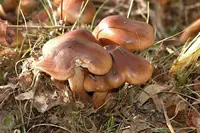
Low-disturbance ground

Keep the soil surface above the root zone free from frequent digging, raking, or heavy foot traffic so the fine mycelial network under the litter layer stays intact and productive.

Leaf litter management

Maintain a thin, continuous layer of mixed hardwood leaf litter over the root area instead of bare soil or thick bark mulch, as this buffers moisture and supports stable fungal activity.

Avoid high-nitrogen inputs

Do not apply high-nitrogen lawn fertilizers over the root zone of the host trees, since excess available nitrogen can suppress mycorrhizal fungi and reduce fruiting.

Site hydration strategy

In dry periods, water the host tree root zone deeply but infrequently rather than misting the surface, which keeps the deeper soil profile moist where the fungus lives and supports consistent results when growing burnt knight.

Common Pests and Diseases

Fungal mycelial competition

This disease involves overgrowth of competing soil fungi that suppress or displace the Tricholoma ustale mycelium. Symptoms include shrinking or disappearing fruiting patches and replacement by other mushroom species or dense, white, cottony mycelium from competitors.

Solution

Remove and discard visible competing fruiting bodies, keep the litter layer and soil structure near host trees (often beech) as undisturbed as possible, and avoid adding rich organic mulches that favor fast-growing saprophytic fungi. In managed woodland or garden settings, limit soil compaction and raking so the existing mycorrhizal network can stabilize and outcompete invaders over time.

Soil-borne nematodes

These insects are actually microscopic roundworms that can feed on fungal mycelium and reduce the vigor of the Tricholoma ustale colony. Symptoms include poor or irregular fruiting, with patches that gradually thin out despite apparently suitable weather and host trees.

Solution

Avoid disturbing the soil and do not import untested soil, compost, or woodchip from unknown sources, since these can introduce nematodes. In small, managed sites, remove and replace heavily infested topsoil around non-native ornamentals, and maintain a diverse ground flora and leaf litter layer to support a more balanced soil food web that can naturally limit nematode impact.

Slug grazing

This pest causes direct feeding damage on developing mushroom caps and stems, often leaving large irregular holes, slime trails, and missing young fruiting bodies. Symptoms include partially eaten or collapsed mushrooms shortly after emergence, especially in damp, shaded conditions.

Solution

Hand-pick slugs during damp evenings, remove nearby debris that shelters them, and use physical barriers such as copper tape or rough, dry grit around sensitive patches where fruiting is desired. In garden or small woodland settings, encourage natural predators like ground beetles and birds by avoiding broad-spectrum slug pellets that disrupt the local ecosystem.

Mite infestation

These insects are tiny arthropods that feed on fungal tissue and spores, sometimes hollowing out caps or clustering in gills. Symptoms include pitted, dusty, or crumbly gill surfaces, and very small moving dots visible on damaged areas under close inspection.

Solution

Limit repeated disturbance of litter and soil around fruiting sites, since this favors mite buildup, and avoid bringing in contaminated mushroom material or substrate from other locations. In cultivation-style setups, remove and discard infested fruiting bodies, increase air movement and reduce excessive humidity, and allow short dry intervals between flushes to discourage mite reproduction while still supporting the mycelium.

Bacterial blotch

This disease causes localized water-soaked, greasy, or brownish spots on caps, often in persistently wet conditions. Symptoms include patches of soft, discolored tissue that may spread across the cap surface and attract secondary decay organisms.

Solution

Improve air circulation around fruiting areas by thinning low vegetation and avoiding compact barriers that trap moisture, and reduce direct overhead watering or sprinkler use that keeps caps wet for long periods. Remove and discard affected mushrooms promptly, keep tools and collecting containers clean, and avoid handling caps with contaminated hands to limit spread between fruiting bodies when caring for burnt knight patches in semi-managed landscapes.

Interesting Facts

Deadly raw toxicity

This species is known to be seriously poisonous when eaten raw, causing severe gastrointestinal symptoms and, in documented cases in Japan, potentially life‑threatening encephalopathy, which is acute brain dysfunction.

Preference for oaks

It typically forms ectomycorrhizal associations with oak trees, especially Quercus species, exchanging mineral nutrients for sugars from the tree roots and helping oaks exploit poor or acidic soils.

Easily confused look‑alikes

The reddish‑brown cap and pale gills resemble several edible Tricholoma species, which contributes to accidental poisonings when foragers misidentify it.

Botan icon

Did you know?

In Japan, the closely related regional form once considered safe and even eaten traditionally was later linked through epidemiological and clinical evidence to outbreaks of severe brain toxicity, leading authorities to classify it as a dangerous mushroom despite its long history of local use.

FAQs about burnt knight

This mushroom is considered poisonous and must not be eaten, even if cooked. Ingestion can cause severe gastrointestinal distress and may also affect the nervous system. Identification mistakes with other mushrooms further increase the risk.

Grow Healthy Plants with Botan Care

Keep your plants happy and healthy with plant identification, disease detection, and easy care guidance.

Botan plant care app — identify plants on mobile

Explore More Plants