Decorated Mop Care (Tricholomopsis decora)

Decorated Mop

About Decorated Mop

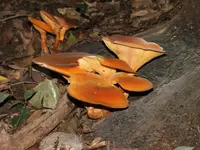
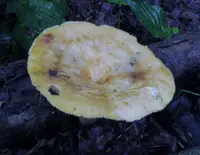
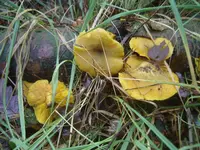
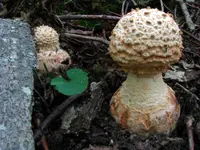
Decorated Mop, Tricholomopsis decora, is a wood-rotting mushroom rather than a leafy houseplant. It forms dense clusters of small, yellow to olive caps with darker, finely scaled surfaces and pale gills. The fruiting bodies appear on dead or decaying conifer wood in temperate forests, especially in the Northern Hemisphere.

This species relies on consistently moist, cool, shaded conditions and rich woody debris, which makes it difficult to maintain in typical home or garden settings. Most home growers focus on understanding its role in forest ecosystems rather than trying to care for Decorated Mop as a traditional ornamental plant.

Main Plant Requirements

Care Difficulty

Hard Care

Light Preference

Shade

Water Requirements

Keep Soil Moist

Temperature Preference

Cool Climate

Hardiness Zone

Unknown

Soil Texture

Organic-rich, Peaty

Soil pH

Strongly acidic (4.5–5.5)

Soil Drainage

Moist but well-drained

Fertilization

Minimal (feed rarely)

Get Personalized Care Plan

Scan your plant to receive care tips personalized for your specific plant

Available on iOS and Android

How to Care for the Decorated Mop

This woodland mushroom prefers cool, shaded forest conditions rather than direct, open sun.

  • Provide bright dappled shade under trees, simulating a forest canopy, with no more than 1–2 hours of weak morning sun and no direct afternoon sun.
  • Allow only filtered light through foliage or shade cloth; intense midday sun dries the substrate and can halt fruiting of Decorated Mop.
  • In summer, increase shade and moisture retention around the substrate, while in spring and fall slightly higher light levels through thinner canopy are acceptable.

This species grows on moist, decaying wood and relies on consistently damp, not saturated, conditions.

  • Maintain the substrate (logs or stumps) evenly moist; let only the outer 1–2 cm of wood surface start to feel less damp before rewetting.
  • Increase watering or natural soaking during dry, warm periods so wood does not lighten in color, crack, or feel dry to the touch deep in crevices.
  • Reduce added moisture in cool, wet seasons to avoid standing water, foul smell, mold overgrowth, or slimy wood that signal excess water and poor aeration.

This fungus is adapted to cool to mild forest climates with moderate seasonal variation.

  • Aim for an active fruiting range of 55–68°F (13–20°C), with mycelium growth still possible from about 45–72°F (7–22°C) if moisture stays stable.
  • Avoid temperatures below 32°F (0°C), as repeated hard frosts can damage fruiting bodies, though dormant mycelium in wood may survive short cold spells.
  • Limit exposure above 77–82°F (25–28°C); combine shade and higher humidity in hot weather to prevent substrate drying, heat stress, and aborted fruiting.

This wood-decaying fungus prefers consistently moist air but does not need extreme humidity to fruit well outdoors.

  • Aim for 60–80% humidity in fruiting areas, avoiding long periods below 50% that dry caps and gills.
  • Dry air causes shriveling, cracked caps, and prematurely dropping fruiting bodies in Decorated Mop.
  • Increase humidity with gentle misting of nearby surfaces, damp mulch, or a breathable humidity tent while keeping fresh air moving.

This species fruits best on decaying conifer wood with a moist, airy, organic-rich substrate around it rather than conventional garden soil.

  • Use a wood-based substrate such as well-rotted softwood chips, sawdust, or log sections with only a thin layer of forest-type leaf litter on top.
  • Keep the substrate loose and fibrous so air can move through; compacted, waterlogged material quickly deprives mycelium of oxygen.
  • Maintain slightly acidic conditions around pH 5.0–6.5, avoiding lime additions that push the substrate toward neutral or alkaline.
  • Improve drainage by raising beds or logs off dense mineral soil so excess water can drain away while the mycelium still stays evenly moist.

This species is only moderately suitable for container growing and is usually managed in outdoor tubs or boxes rather than small pots.

  • Use a deep, sturdy tub that can hold a thick layer of colonized wood chips or a small inoculated log without tipping in wind.
  • Drill side drainage holes a few cm above the base so excess water escapes while a thin, moist reservoir remains for the wood substrate.
  • Place the container in a shaded, wind-sheltered spot where evaporation is slower, reducing how often the wood must be rehydrated.

This wood-inhabiting fungus gains nutrients from decaying timber and generally does not need additional fertilization in cultivation.

Pruning is not applicable to Tricholomopsis decora, as it is a saprophytic mushroom rather than a woody or leafy plant.

Management focuses on renewing suitable wood substrate rather than conventional repotting for this fungus.

  • Transplant only when the colonized log or stump is exhausted, indicated by reduced fruiting and crumbly, spent wood.
  • Time moves or new substrate introduction for cool, moist seasons that favor mycelial growth.
  • Place colonized wood onto fresh, similar hardwood to encourage the mycelium to bridge into new material.
  • Handle colonized pieces gently to minimize mycelium breakage and subsequent establishment stress.

Propagation of this species is specialized and usually carried out by experienced mushroom growers, not typical home gardeners.

  • Primary method uses mycelium on sterile grain or plugs inserted into fresh, sound hardwood logs.
  • Best season for inoculating outdoor logs is early spring or early fall, when conditions are cool and moist.
  • Keep inoculated wood at 50–70°F with high humidity and out of direct sun to support steady colonization.
  • Avoid drying or waterlogging the substrate, as both extremes sharply reduce mycelial survival and success.

Outdoor cultures of this fungus in temperate regions usually need minimal specific winter care once established on hardy wood.

  • Hardy mycelium in logs tolerates typical temperate frosts when wood stays above about 20°F internally.
  • Position colonized logs on soil, not suspended, so ground contact buffers temperature swings.
  • In very cold climates, a light mulch of leaves around logs helps moderate freeze-thaw cycling and drying.

Care Tips

Use host logs

Inoculate fresh, firm conifer logs (not hardwood) that were cut within the last 2–6 weeks, since Tricholomopsis decora establishes more reliably in slightly seasoned but not decayed softwood.

Match wood species

Select the same or closely related conifer species the fungus was originally found on, because matching wood chemistry and resin content improves colonization and long-term fruiting stability.

Control competing fungi

After inoculation, seal drill holes and log ends with melted cheese wax or soy wax to reduce invasion by faster-growing competitor fungi and prevent the substrate from drying out too quickly.

Shade and airflow

Place inoculated logs in a cool, shaded spot with good air movement off bare soil (for example raised on bricks or pallets) to limit mold build-up while keeping the wood evenly moist.

Monitor colonization

Check log cut surfaces a few times per year for pale yellow mycelial fans instead of repeatedly disturbing the bark, so you can track progress when growing Decorated Mop without damaging the developing colony.

Common Pests and Diseases

Fungal mycophagy

These insects feed directly on the fruiting bodies, leaving irregular pits, tunnels, and rapid decay of caps and stems. This pest activity shortens the lifespan of the mushrooms and can prevent normal spore release.

Solution

Harvest mushrooms promptly at maturity, remove and discard any heavily damaged fruiting bodies, and maintain clean, debris-free surroundings to reduce insect hiding places. Where allowed, use fine mesh or physical barriers over developing clusters to limit access, and avoid leaving overmature mushrooms on site, as they attract more mycophagous insects.

Slug and snail grazing

These pests rasp soft tissue from caps and stems, causing ragged edges, holes, and slime trails on or around the mushrooms. Symptoms include rapid cosmetic damage and sometimes complete consumption of young fruiting bodies.

Solution

Hand-remove slugs and snails in the evening or early morning and eliminate nearby hiding spots such as boards, dense groundcover, or wet debris. Copper tape, rough mulch barriers, and beer or yeast-based traps can reduce local populations without applying broad chemical molluscicides.

Fruiting body bacterial blotch

This disease produces water-soaked, greasy-looking spots or streaks on caps and stems, often yellowish to brown, that may coalesce into large lesions. Symptoms include soft, slimy patches that cause the mushroom to collapse quickly.

Solution

Improve airflow around fruiting areas, avoid overhead wetting, and prevent standing water on caps by adjusting irrigation or misting patterns. Promptly remove and discard affected mushrooms and any heavily contaminated substrate surfaces, and keep tools and hands clean to limit bacterial spread.

Competing wood-decay fungi

These fungi colonize the same woody substrate, leading to poor or distorted Tricholomopsis decora fruiting and visible patches or layers of other mushroom species. Symptoms include reduced cluster size, irregular or abortive fruiting bodies, and mixed fungal growth on the same log or stump.

Solution

Use fresh or recently cut, uncolonized wood where possible and avoid substrates already supporting other, aggressive decomposer fungi. If contamination is visible, remove and dispose of affected wood sections and, for future growing Tricholomopsis decora attempts, select clean substrate and limit contact with forest debris that carries competing spores.

Interesting Facts

Distinctive yellow gills

This species is recognized by its bright sulfur-yellow gills that contrast with the darker, often olive-flecked cap, a feature that helps separate it from many similar brown wood-inhabiting mushrooms in the field.

Wood-decaying specialist

It is a saprotrophic fungus that decomposes dead conifer wood, especially rotting stumps and logs, playing a key role in nutrient recycling in boreal and montane forests.

Northern hemisphere distribution

This mushroom occurs widely across temperate and boreal regions of the Northern Hemisphere, including North America and Europe, where it is typically found in association with coniferous forests.

FAQs about Decorated Mop

This mushroom is generally considered inedible due to its tough texture and poor culinary quality. It is not known to be dangerously toxic, but it should not be collected for food or encouraged as an edible species.

Grow Healthy Plants with Botan Care

Keep your plants happy and healthy with plant identification, disease detection, and easy care guidance.

Botan plant care app — identify plants on mobile

Explore More Plants