

Use Hardwood Blocks
For reliable fruiting, inoculate clean, freshly cut hardwood logs or blocks and keep them shaded and off bare soil to reduce contamination from competing fungi.

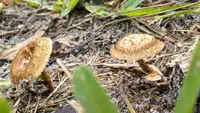
The fringed sawgill, Lentinus crinitus, is a wood-decaying mushroom rather than a leafy plant. It forms tough, circular caps with shaggy, fringed edges and a central stem. Colors usually range from pale cream to tan or yellowish brown.
This species grows on dead or dying wood in warm, humid regions, especially tropical and subtropical forests of the Americas and other similar climates. It helps break down lignin and cellulose, key structural components of wood.
In cultivation it can be challenging, as it prefers consistently moist, woody substrates and stable humidity. For those interested in how to care for fringed sawgill, it is best treated like a specialty fungus needing controlled, clean conditions rather than a typical houseplant.

Care Difficulty
Moderate Care

Light Preference
Shade

Water Requirements
Keep Soil Moist

Temperature Preference
Tropical / Frost Sensitive

Hardiness Zone
Unknown

Soil Texture
Organic-rich, Loamy

Soil pH
Acidic (5.5–6.5)

Soil Drainage
Moist but well-drained

Fertilization
Minimal (feed rarely)
Scan your plant to receive care tips personalized for your specific plant
Available on iOS and Android
This wood-decaying fungus prefers dappled woodland light rather than direct, exposed sun.
Moisture availability in the wood or substrate is more important than direct watering for this saprophytic fungus.
This species fruits best in warm, frost-free conditions on decaying wood.
This fungus prefers consistently moist, high-humidity conditions close to its natural forest habitat.
Lentinus crinitus naturally fruits on decaying wood rather than mineral soil, so the focus is on woody substrate rather than typical garden soil.
This species can be grown in containers if the container holds a suitable woody substrate rather than conventional potting soil.
This wood-decaying fungus usually gains all nutrients from its substrate, so fringed sawgill needs no routine fertilization in typical culture.
As a saprophytic fungus, Lentinus crinitus does not require structured pruning like a vascular plant.
Transplanting focuses on moving colonized wood or substrate rather than handling Lentinus crinitus as a typical potted plant.
Propagation of this species relies on spreading mycelium or spores rather than standard plant methods.
Cold tolerance varies with local climate, but this saprophytic fungus generally needs minimal directed winter care.

Plant Health Check
Not sure what's wrong with your plant? Check your plant's health inside the app.
This species develops a densely hairy to shaggy cap surface, especially in young specimens, with coarse fibers that give it a fringed appearance unmatched by most similar wood-decaying fungi in its range.
Unlike many soft, short‑lived mushrooms, its fruiting bodies are firm and leathery, allowing them to persist on dead wood for extended periods and continue releasing spores over time.
It is characteristically found on dead hardwoods in tropical and subtropical regions, where it helps decompose lignin- and cellulose-rich wood and contributes to nutrient cycling in forest ecosystems.
This species is technically edible but generally considered poor quality. The flesh is tough and leathery, especially in older fruiting bodies. It is not recommended for regular culinary use and should never be eaten raw or undercooked.
Keep your plants happy and healthy with plant identification, disease detection, and easy care guidance.

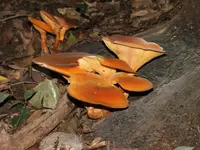
Jack o'Lantern mushroom
Omphalotus olearius
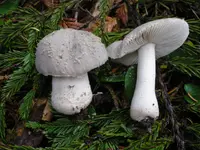
American Floury Amanita
Amanita farinosa
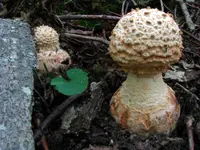
Carrot-Footed Lepidella
Amanita daucipes
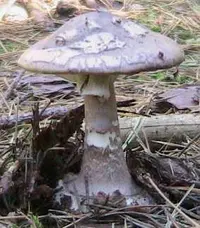
Grey-veiled Amanita
Amanita porphyria
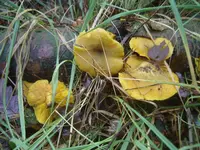
Decorated Mop
Tricholomopsis decora
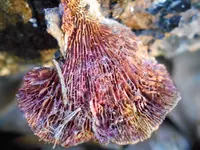
orange polypore mould
Hypomyces aurantius
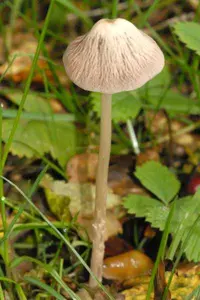
Turf Mottlegill
Panaeolus fimicola
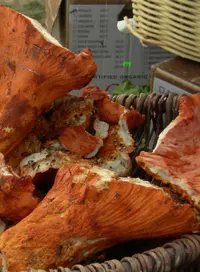
lobster mushroom
Hypomyces lactifluorum