Black-stalked Marasmius Care (Tetrapyrgos nigripes)

Black-stalked Marasmius

About Black-stalked Marasmius

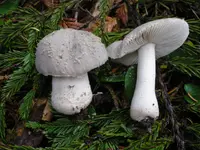
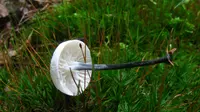
Black-stalked marasmius (Tetrapyrgos nigripes) is a small woodland fungus, not a typical houseplant. It forms delicate white caps on very thin, dark stalks. Caps often appear in loose groups on fallen leaves or small twigs. The overall look is airy and fine, with a strong contrast between the pale caps and black stems.

This species is native to many warm and temperate forests and is usually found in moist, shaded leaf litter. It feeds on dead plant material, helping decompose organic matter. In cultivation, it is considered challenging, as it needs consistently high humidity, stable moisture, and a reliable supply of decaying leaf litter to care for Black-stalked Marasmius successfully.

Main Plant Requirements

Care Difficulty

Moderate Care

Light Preference

Partial Shade

Water Requirements

Keep Soil Moist

Temperature Preference

Warm Climate

Hardiness Zone

Unknown

Soil Texture

Loamy, Peaty, Organic-rich

Soil pH

Acidic (5.5–6.5)

Soil Drainage

Moist but well-drained

Fertilization

Minimal (feed rarely)

Get Personalized Care Plan

Scan your plant to receive care tips personalized for your specific plant

Available on iOS and Android

How to Care for the Black-stalked Marasmius

This small woodland fungus prefers low, filtered light similar to the forest floor.

  • Provide 1–3 hours of soft morning sun with the rest of the day in dappled or full shade to mimic conditions for Black-stalked Marasmius.
  • Grow in a spot shielded from direct midday and afternoon sun, which can dry the substrate rapidly and stress the delicate fruiting bodies.
  • In summer, increase shade if caps appear pale or dry; in darker seasons, use bright indirect light rather than direct sun to maintain steady development.

Moist but not stagnant conditions are essential for stable fruiting of this woodland fungus.

  • Keep the substrate consistently damp, allowing only the top 1–2 cm to lose surface sheen before rehydrating with a gentle soak or misting.
  • Ensure the growing medium drains freely; pooling water, sour odor, or slimy mycelium indicate overwatering and poor aeration.
  • In warmer months, monitor more often as surfaces dry faster; in cooler periods, reduce watering if the substrate stays glossy and cool to the touch for several days.

This species thrives in cool to mild conditions typical of shaded forest floors.

  • Aim for 55–68°F (13–20°C) for consistent development; brief peaks to 72°F (22°C) are usually tolerated if humidity stays high.
  • Avoid frost; tissue damage often occurs below 32°F (0°C), so protect colonies from freezing nights and cold, drying winds.
  • In hot spells above 75°F (24°C), move cultures or logs to deeper shade, increase humidity, and prevent direct sun to limit thermal stress and desiccation.

This small saprophytic fungus prefers consistently moist air around fruiting sites rather than dry indoor conditions.

  • Aim for 70–90% humidity by placing cultures or decaying wood in a sheltered, damp microclimate outdoors or in a humid terrarium.
  • In air below 50%, caps dry, edges shrivel, and fruiting bodies abort quickly, indicating humidity stress.
  • Increase humidity by enclosing the substrate in a ventilated plastic tub, misting substrate surfaces lightly, and buffering with moist leaf litter rather than spraying the mushrooms directly when caring for Black-stalked Marasmius.

Tetrapyrgos nigripes develops on decaying woody debris rather than typical potting soil, but a substrate can be prepared to mimic its natural habitat.

  • Use a loose, fibrous mix dominated by hardwood chips, shredded bark, and partially decomposed leaves, with minimal fine-textured material.
  • Ensure very rapid drainage so water runs through within seconds, leaving the substrate evenly moist but never waterlogged or compacted.
  • Keep pH roughly in the 5.5–6.5 range by using mostly untreated hardwood products and leaf litter, avoiding lime, ash, or strongly alkaline amendments.
  • Encourage aeration by layering coarse wood chips at the base, mixing in some perlite between layers, and avoiding dense composts or heavy garden soil that can collapse around the mycelium.

This delicate wood-inhabiting fungus can be kept in containers if the setup mimics a stable, moist woodland substrate.

  • Select a shallow, wide container so the woody substrate layer stays evenly moist while still allowing fast lateral drainage.
  • Use rigid, non-flexing material such as plastic tubs or wooden boxes to keep the fragile substrate block stable during handling.
  • Drill extra side ventilation holes above the substrate line to balance gas exchange with humidity retention in the contained wood chips.

This woodland fungus generally needs no fertilizer when grown in a natural, decaying-wood substrate.

Pruning is not a standard practice for Tetrapyrgos nigripes, which fruits briefly and then decomposes naturally.

Transplanting focuses on maintaining a fresh, decaying organic substrate rather than moving established fungal clumps.

  • Move colonized wood or leaf-litter pieces only when growth slows or the substrate is mostly decomposed.
  • Transplant in cool, moist weather to limit desiccation of mycelium, the white fungal network.
  • Shift material gently into a new site with similar shade, moisture, and woody debris depth.
  • Water lightly after moving to settle material, then keep evenly moist while avoiding waterlogging.

Propagation relies on spreading spores and moving colonized substrate rather than classic plant methods.

  • Allow caps to mature and release spores over moist, shaded wood or leaf litter in late summer–fall.
  • Relocate small chunks of colonized wood to new shaded spots with similar moisture for new colonies.
  • Keep new sites consistently damp but not saturated to support mycelium spread and fruiting.
  • Avoid disturbing the substrate surface; gentle handling improves establishment of new patches.

In suitable climates, this small fungus is naturally cold hardy and needs minimal winter care.

  • Leave leaf litter and small woody debris undisturbed to insulate the mycelium in freezing weather.
  • In very exposed sites, add a 2–5 cm layer of extra leaves to stabilize moisture and temperature.
  • Container experiments with Black-stalked Marasmius should overwinter in a shaded, cold but not windy location.

Care Tips

Log inoculation method

For stable fruiting, drill 6–8 mm holes into fresh hardwood logs, insert Tetrapyrgos nigripes spawn, and seal with cheese wax to maintain moisture and protect the mycelium from contamination.

Microhabitat shading

Place inoculated wood in a north-facing, shaded strip or under low groundcover so the developing clusters are protected from direct rain impact and rapid drying, which helps maintain consistent fruiting patterns when growing Black-stalked Marasmius.

Leaf litter mulching

Spread a thin 1–2 cm layer of hardwood leaf litter around colonized wood to buffer temperature and humidity while still allowing good air exchange and preventing anaerobic conditions.

Moisture monitoring by weight

Lift smaller inoculated branches or sections of wood periodically and use their weight change as a practical indicator of internal moisture loss, watering only when they feel noticeably lighter but before they fully dry out.

Rotation for even fruiting

Gently rotate movable logs or wood pieces a quarter turn every few weeks during the fruiting season so all sides experience similar airflow and microclimate, which can reduce patchy or one-sided mushroom production.

Common Pests and Diseases

Fungus gnat larvae

This pest mainly affects cultivated or lab-grown cultures kept in consistently wet substrates rich in organic matter. Symptoms include thinning fungal mats, slowed fruiting, and visible small white larvae in the substrate surface layer.

Solution

Reduce moisture by allowing the substrate surface to dry slightly between waterings and improve ventilation around trays or containers. Trap adult gnats with yellow sticky cards and, if needed, drench the substrate with a biological control such as Bacillus thuringiensis israelensis (BTI) according to label instructions.

Mite grazing

These insects are tiny arthropods that can graze on developing mycelium and young fruit bodies, especially in closed, humid culture boxes. Symptoms include malformed or aborted fruiting bodies, fine pitting on caps, and a dusty or patchy look on the mycelium surface.

Solution

Lower humidity slightly, increase fresh air exchange, and discard heavily infested cultures to prevent spread. For valuable cultures, isolate affected containers and clean surrounding surfaces; in professional setups, use fine mesh screening and maintain strict hygiene of tools and substrates to reduce mite introduction.

Bacterial blotch

This disease appears in dense, humid culture conditions where condensation sits on caps and stems for long periods. Symptoms include slimy, water-soaked patches on fruit bodies that turn yellow-brown and may develop an unpleasant odor.

Solution

Improve airflow, avoid water droplets standing on fruit bodies, and reduce overall humidity to the lowest level that still supports fruiting. Remove and discard all affected fruit bodies and any obviously contaminated substrate; disinfect trays, tools, and work surfaces before starting a new cycle, following Tetrapyrgos nigripes care instructions that emphasize clean handling and moderate moisture.

Green mold contamination

This disease is caused by aggressive Trichoderma molds colonizing the substrate or casing layer, favored by unsterilized media or poor hygiene. Symptoms include fast-spreading bright to dark green patches on the substrate, often with suppression of the fungal mycelium and failure to fruit.

Solution

Immediately remove and discard contaminated cultures, including surrounding substrate, to prevent spore spread. For future batches, use properly pasteurized or sterilized substrate, work in a clean area, avoid reusing contaminated containers, and maintain good air filtration in enclosed growing spaces.

Interesting Facts

Dainty parasol-like caps

This fungus produces very small, delicate caps, often only a few millimeters wide, with a pale, almost translucent surface and a distinctly pleated, parasol-like shape that makes it recognizable in the field.

Contrasting black stipe

Its most distinctive feature is the dark to black, threadlike stipe (stem) that sharply contrasts with the pale cap, an important diagnostic character used by mycologists to separate it from similar tiny saprotrophic mushrooms.

Specialist on leaf litter

It is a saprotrophic decomposer that grows directly on fallen leaves and other fine plant debris, helping break down this material and recycle nutrients back into forest and woodland soils.

Botan icon

Did you know?

Molecular studies have shown that this species does not belong in the original genus Marasmius, and its reclassification into the genus Tetrapyrgos reflects a more accurate understanding of its evolutionary relationships within the marasmioid fungi.

FAQs about Black-stalked Marasmius

This is a small, delicate mushroom with no established culinary use and little nutritional value. It is generally classified as inedible. Avoid tasting wild fungi unless an experienced mycologist has confirmed the species as safely edible.

Grow Healthy Plants with Botan Care

Keep your plants happy and healthy with plant identification, disease detection, and easy care guidance.

Botan plant care app — identify plants on mobile

Explore More Plants