Orange Birch Bolete Care (Leccinum versipelle)

Orange Birch Bolete

About Orange Birch Bolete

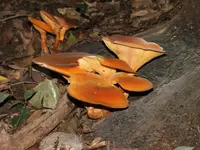
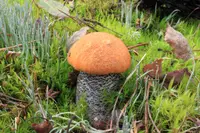
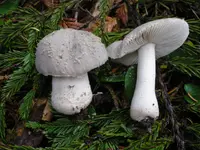
The orange birch bolete, Leccinum versipelle, is a mycorrhizal mushroom, not a leafy houseplant. It forms a symbiotic relationship with birch trees, helping roots absorb water and nutrients. The fruiting bodies have an orange to rust-brown cap, pale pores, and a tall, speckled stem that often shows blue or gray staining when cut. It appears in woodland soil near birches rather than in pots or garden beds. This species prefers moist, well-drained, organic-rich soil and a cool to mild climate. For anyone trying to learn how to care for Orange Birch Bolete, the focus is usually on supporting healthy birch hosts and suitable woodland-like conditions, not direct cultivation indoors.

Main Plant Requirements

Care Difficulty

Hard Care

Light Preference

Partial Shade

Water Requirements

Keep Soil Moist

Temperature Preference

Cool Climate

Hardiness Zone

2–6

Soil Texture

Loamy, Peaty, Organic-rich

Soil pH

Strongly acidic (4.5–5.5), Acidic (5.5–6.5)

Soil Drainage

Moist but well-drained

Fertilization

Minimal (feed rarely)

Get Personalized Care Plan

Scan your plant to receive care tips personalized for your specific plant

Available on iOS and Android

How to Care for the Orange Birch Bolete

This mycorrhizal fungus prefers cool, dappled forest light rather than direct, open sun.

  • Provide bright, filtered light under birch or mixed woodland, with 2–4 hours of gentle morning sun and shade or dappled light for the rest of the day.
  • Avoid strong midday and afternoon sun in open clearings, which can dry the soil surface quickly and reduce fruiting of Orange Birch Bolete.
  • In summer, light shade from tree canopies is ideal; in early spring or late autumn, slightly more exposure is acceptable while trees carry fewer leaves.

This species depends on consistently moist, not saturated, forest soil conditions.

  • Aim for soil that stays evenly moist to a depth of 5–10 cm, allowing the surface 1–2 cm to dry slightly between natural rains or supplemental watering.
  • Leccinum versipelle declines in waterlogged sites; signs of excess moisture include standing water, sour smell, and persistent slimy leaf litter.
  • In dry summers, increase watering frequency around host birch roots; in cool, wet seasons, reduce or stop watering to avoid prolonged saturation.

This fungus fruits best in cool to mild conditions typical of temperate birch forests.

  • Optimal fruiting temperatures are about 55–70°F (13–21°C), with mycelium growth continuing somewhat outside this range if soil moisture remains stable.
  • Short dips to 35–40°F (2–4°C) are usually tolerated, but hard frost below 28°F (-2°C) can stop fruiting and damage exposed fruiting bodies.
  • Sustained heat above 80°F (27°C), especially with dry soil, reduces fruiting; partial shade, leaf litter, and mulch help buffer soil temperatures seasonally.

Humidity is not a key factor for Leccinum versipelle, which develops mainly in response to soil moisture and host birch roots rather than air moisture.

Leccinum versipelle fruits best in cool, moist, well-aerated forest soil associated with living birch roots.

  • Use a loose, humus-rich, loamy substrate with plenty of decomposed leaf litter to mimic birch woodland conditions.
  • Ensure free drainage by avoiding compacted or clay-heavy soil; standing water severely reduces mycelium health.
  • Aim for slightly acidic conditions around pH 4.5–6.0, which support typical birch–fungus symbiosis.
  • Improve aeration and structure outdoors by incorporating leaf mold and fine bark, avoiding fresh manure or high-salt fertilizers.

This ectomycorrhizal fungus is not suitable for container growing because it depends on a long-term symbiosis with birch trees in open ground.

This wild mycorrhizal fungus grows in partnership with birch trees and usually needs no direct fertilization in gardens or forests.

Leccinum versipelle does not require pruning, as it is a wild mycorrhizal mushroom rather than a managed garden plant.

This species is not suited to typical repotting, as it lives in symbiosis with birch roots in soil rather than as an independent potted plant.

  • Avoid container culture; instead, focus on maintaining healthy birch host trees in well-drained, undisturbed soil.
  • Do not attempt frequent transplanting, since disturbing the fine mycelium network can prevent future fruiting.
  • If moving soil, do so only when the ground is cool and moist to limit stress on the fungal partnership.
  • Minimize compaction and digging around birch roots so the underground fungus can re-establish after any disturbance.

Reproducing Leccinum versipelle is challenging for home gardeners because it depends on a mycorrhizal relationship with birch roots.

This fungus is naturally cold hardy in its native range and requires no special winter care in the ground.

Care Tips

Host tree selection

Establish the fungus near healthy birch trees, since this species forms a mycorrhizal partnership with birch roots and will not fruit well without an appropriate host.

Minimal soil disturbance

Avoid digging, tilling, or compacting the soil within 1–2 m of the host birch trunk so that the fine mycorrhizal root network remains intact and can support reliable fruiting.

Mulch management

Apply a thin, loose layer of leaf litter or wood chips around the birch dripline to conserve moisture, but keep the layer under 5 cm and avoid smothering existing fruiting spots.

Targeted watering zone

When supplementing rainfall, water the area from midway between the trunk and dripline outwards rather than soaking the trunk base, as this better mimics natural moisture patterns for fruit body formation.

Harvesting technique

Cut mushrooms at the base with a clean knife instead of pulling them up, and leave very small or damaged specimens in place to allow continued spore release, which supports long-term success when growing Orange Birch Bolete.

Common Pests and Diseases

Mycelial parasitic fungi

This disease involves other fungi attacking the fruiting body, causing deformed, water-soaked, or discolored caps and stems that age and collapse quickly.

Solution

Remove and discard affected mushrooms promptly to limit spore spread, avoid harvesting in areas with heavy buildup of decaying mushrooms, and favor well-aerated, less compact soil conditions under birch to reduce prolonged surface moisture that encourages parasitic fungi.

Slug and snail damage

These pests feed on the cap and pore surface, leaving irregular holes, slime trails, and sometimes consuming whole young fruiting bodies overnight.

Solution

Hand-pick slugs and snails in the evening or early morning, use simple barriers such as copper tape or rough grit around key areas, and reduce nearby dense ground cover or debris where they hide while avoiding broad chemical baits that harm non-target wildlife.

Fungus gnat larvae

These insects lay eggs in moist organic matter, and their larvae tunnel into developing fruiting bodies, causing internal browning, soft patches, and premature decay.

Solution

Harvest mushrooms promptly when mature, avoid overly wet, stagnant organic debris near the birch host, and, where cultivation is attempted, improve drainage and surface airflow so the substrate does not stay saturated, which reduces fungus gnat breeding sites.

Maggot infestation

This pest problem is caused by fly larvae that bore through the stem and cap, leading to spongy texture, tunneling, and rapid breakdown of the mushroom tissue.

Solution

Check sliced stems and caps for tunnels before consumption, discard heavily infested specimens, and harvest young, firm mushrooms early in the day to reduce the time adult flies have to lay eggs in the pores.

Bacterial soft rot

This disease develops in warm, wet conditions and leads to soft, foul-smelling, slimy areas on the cap and stem, often beginning where the mushroom touches wet soil or plant litter.

Solution

Avoid collecting mushrooms that show any slimy or foul-smelling tissue, do not leave harvested caps piled in warm, wet containers, and if attempting Leccinum versipelle care instructions in a managed woodland setting, encourage moderate airflow and avoid heavy soil compaction that holds surface water around fruiting bodies.

Interesting Facts

Strict birch companion

This bolete forms ectomycorrhizal partnerships almost exclusively with birch trees, exchanging mineral nutrients for sugars from the birch roots and helping the trees cope with nutrient-poor soils.

Color-changing flesh

The cap and stem flesh often turn grayish to black when cut or bruised due to oxidation of specific pigment compounds, a reaction that can help confirm identification in the field.

Scabrous stem texture

Its stem is covered with distinctive dark, rough-scaled dots called scabers, which start pale and darken with age, making it one of the more easily recognized species within Leccinum.

Botan icon

Did you know?

In some northern European regions, this species is so closely tied to birch woodlands that its local common names translate literally to birch orange-capped mushroom, reflecting both its color and its near-obligate association with birch trees.

FAQs about Orange Birch Bolete

Yes, this mushroom is generally considered edible when thoroughly cooked, but some people experience gastrointestinal upset. Always cook caps well, discard very soft or infested specimens, and never eat it raw or undercooked.

Grow Healthy Plants with Botan Care

Keep your plants happy and healthy with plant identification, disease detection, and easy care guidance.

Botan plant care app — identify plants on mobile

Explore More Plants