upland brittle bladderfern Care (Cystopteris tenuis)

Also known as: Mackay's Fragile Fern, brittle bladderfern, Upland Fern Bladder Fern
upland brittle bladderfern

About upland brittle bladderfern

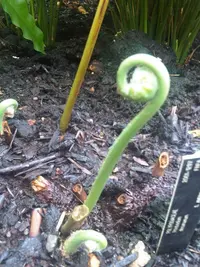
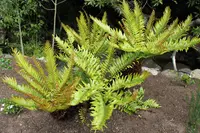
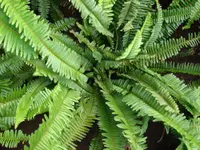
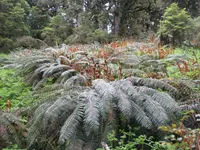
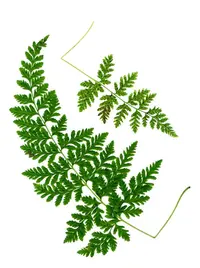
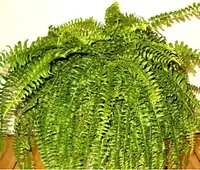
Upland brittle bladderfern, Cystopteris tenuis, is a small deciduous fern native to eastern North America. It often grows on shaded rocky slopes, ledges, and moist woodland crevices. Fronds are delicate, light green, and finely divided, giving a soft, airy look. The plant forms loose clumps rather than dense mats. This fern prefers cool, humid conditions, dappled shade, and well-drained, humus-rich soil with consistent moisture. Its fine texture and moderate tolerance for disturbance make it manageable for patient gardeners. Understanding how to care for upland brittle bladderfern helps keep its foliage healthy and prevents stress in warmer or drier sites.

Main Plant Requirements

Care Difficulty

Moderate Care

Light Preference

Partial Shade

Water Requirements

Keep Soil Moist

Temperature Preference

Cold Hardy

Hardiness Zone

3–8

Soil Texture

Loamy, Silty, Organic-rich

Soil pH

Acidic (5.5–6.5), Slightly acidic (6.5–7.0)

Soil Drainage

Moist but well-drained

Fertilization

Minimal (feed rarely)

Get Personalized Care Plan

Scan your plant to receive care tips personalized for your specific plant

Available on iOS and Android

How to Care for the upland brittle bladderfern

This fern prefers cool, filtered woodland light that mimics its natural rocky-forest habitats.

  • Provide bright shade or dappled light under trees, with 1–3 hours of gentle morning sun and no direct afternoon sun to prevent frond scorch.
  • Site upland brittle bladderfern on the north or east side of structures or rocks, where it receives indirect light most of the day and remains protected from harsh midday sun.
  • In summer, increase shade if fronds pale or crisp at the edges; in very dense shade, expect looser growth and fewer new fronds.

This species needs steadily moist but not waterlogged soil around its shallow roots.

  • Water when the top 2–3 cm of soil feel just barely damp, aiming for consistently moist soil rather than cycles of drying and soaking.
  • Ensure gritty, well-drained soil in rock crevices or woodland beds so excess water runs off and Cystopteris tenuis roots do not sit in puddles.
  • Watch for limp, crisping fronds as a sign of underwatering, and for yellowing, soft fronds or a sour soil smell as early overwatering indicators.

This fern is a cool-temperate species that tolerates cold winters and mild to warm summers.

  • Active growth is best at 55–75°F (13–24°C), with steady moisture and shade helping it stay comfortable during warmer spells.
  • Dormant rhizomes tolerate winter lows near 0°F (-18°C) under mulch or leaf litter, but repeated freeze-thaw without cover can damage crowns.
  • During hot periods above 80°F (27°C), increase shade and soil moisture; prolonged heat above 90°F (32°C) can cause frond browning and early dormancy.

This fern prefers consistently moist, moderately humid air for best frond development.

  • Aim for 50–70% humidity, similar to a shaded, moist woodland edge environment.
  • Tolerates brief drier spells but prolonged air below 40% leads to crisping tips and pale, stunted fronds in upland brittle bladderfern.
  • Increase humidity with a pebble tray under the pot, grouping with other plants, or placing it away from heaters and strong drafts.

This fern thrives in loose, humus-rich soil that stays evenly moist yet drains freely.

  • Use a mix of roughly 50% leaf mold or compost, 30% fine bark, and 20% perlite or coarse sand to mimic woodland leaf litter.
  • Ensure the substrate is friable, meaning it breaks apart easily in the hand, to protect the fine roots of Cystopteris tenuis from compaction.
  • Maintain slightly acidic to neutral pH, around 5.5–7.0, avoiding strongly alkaline mixes with large amounts of lime or concrete rubble.
  • Improve drainage and aeration by raising containers slightly off solid surfaces and avoiding dense clay-heavy garden soil in pots.

This species adapts well to container culture when moisture and drainage are carefully managed.

  • Choose a relatively deep, narrow pot to accommodate its fibrous root system and keep the crown just above the rim for airflow.
  • Use a heavier ceramic or clay container outdoors to keep the light fronds from toppling the pot in wind or heavy rain.
  • Elevate the pot on feet or bricks so drainage holes stay clear and excess water escapes quickly after irrigation or storms.

Cystopteris tenuis is a woodland fern that needs only light feeding in cultivation, similar to many native shade plants.

  • Use a mild, balanced liquid fertilizer (around 10-10-10) at 1/4–1/2 strength during the main growing season.
  • Apply every 4–6 weeks from mid-spring to late summer if growth appears weak or soil is poor.
  • Avoid feeding in late fall and winter when the fern is dormant.
  • Compost or leaf mold as a thin top-dressing can support caring for upland brittle bladderfern without overfeeding.

Cystopteris tenuis needs minimal pruning, mainly to keep the clump tidy and reduce disease risk.

  • In late winter or very early spring, cut back fully dead fronds at the base before new growth emerges.
  • Remove damaged, yellowing, or crowded fronds during the growing season using clean, sharp scissors or snips.
  • Thin congested fronds lightly to improve air flow while preserving the plant’s natural, loose habit.
  • Discard pruned material away from the bed to limit fungal problems and pests.

This fern is usually grown in the ground; focus on careful transplanting rather than frequent repotting.

  • Transplant in early spring or early fall when temperatures are mild and soil is evenly moist.
  • Move clumps only when growth slows, fronds appear smaller, or crowns become crowded, typically every 3–5 years.
  • Lift the plant with a wide soil ball, disturbing roots as little as possible to limit transplant shock.
  • Replant at the same depth in humus-rich, well-drained soil, then water thoroughly and keep shaded until re-established.

Cystopteris tenuis is most practically propagated by division, while spore propagation is possible but slower and more technical.

  • Divide mature clumps in early spring, when new fronds are just emerging but before heat stress.
  • Lift the plant, then split the root mass into sections, each with several healthy crowns and roots.
  • Replant divisions promptly into moist, humus-rich soil and keep consistently damp and shaded while they establish.
  • Spore propagation requires sterile conditions, constant moisture, and patience, so it is usually reserved for advanced growers.

This fern is cold hardy in much of its native range and usually needs little special winter care.

  • Tolerates typical freezes in USDA zones roughly 3–7 once established in the ground.
  • Allow fronds to die back naturally; they can provide light insulation to the crown over winter.
  • In exposed or very cold sites, add a thin mulch of leaves or compost around, but not on top of, the crown.
  • Container-grown plants in colder zones can be overwintered in a sheltered, unheated but frost-free space.

Care Tips

Rocky substrate pockets

Tuck small stones or broken, rinsed gravel into the planting area to mimic the plant’s natural crevice habitat and improve anchoring on slopes or between larger rocks.

Summer drought buffering

In hotter regions, lay a thin layer of leaf litter or shredded hardwood bark around but not on the crowns to slow surface drying and protect fine feeder roots during short dry spells.

Gentle division timing

If clumps become crowded, divide them very early in spring as new fronds just emerge, keeping divisions large and replanting immediately to reduce transplant shock.

Frond refresh management

In late winter, carefully remove only fully dead or collapsed fronds by cutting at the base, leaving any green or partially green tissue to support early-season regrowth.

Microhabitat expansion

When growing upland brittle bladderfern in a naturalistic bed, place additional plants in nearby shaded rock crevices or at the north or east side of boulders to create a connected, self-sustaining colony over time.

Common Pests and Diseases

Fern aphids

This pest feeds on tender frond tissue and rachises, causing puckering, yellowing, and stunted new growth on upland brittle bladderfern. Symptoms include sticky honeydew on fronds and sometimes sooty mold growth on the residue.

Solution

Rinse fronds thoroughly with a firm but gentle stream of water, focusing on the undersides and growing tips, and repeat weekly until populations drop. In shaded garden sites, introduce or encourage natural predators such as lady beetles, or spot-treat clusters with insecticidal soap, applied in cool hours to avoid frond burn.

Fern scale

These insects attach along frond veins and stipes, appearing as small, flat, tan or brown bumps that do not brush off easily. This pest slowly saps plant vigor, leading to thin, pale fronds and reduced clump density over time.

Solution

Prune and discard heavily infested fronds, then wipe remaining infested areas with a cotton pad dipped in diluted alcohol or horticultural oil. Maintain good moisture and shade so the plant can recover, and monitor new fronds regularly, repeating targeted oil or soap treatments if fresh crawlers appear.

Botrytis blight

This disease thrives in cool, damp, low-light conditions and affects delicate fern tissue. Symptoms include soft, water-soaked spots on fronds that turn brown and may develop gray, fuzzy mold, especially on crowded or aging foliage.

Solution

Remove and discard all affected fronds and any plant debris around the clump, then improve air movement by thinning nearby vegetation and avoiding overhead watering. Water at soil level in the morning and keep the crown from staying wet for long periods; in persistent cases, a labeled fungicide for ornamental ferns can be used as a short-term measure.

Leaf spot fungi

This disease causes scattered tan, brown, or black spots on pinnae that may merge into larger dead patches, sometimes with a darker border. Symptoms include premature browning and shedding of older fronds, especially in seasons with repeated wetting of foliage.

Solution

Cut off and destroy badly affected fronds and clear fallen leaf material to reduce spore sources. Reduce leaf wetness by watering at soil level, ensuring good spacing and airflow; if needed, apply a fern-safe fungicide labeled for leaf spots during prolonged wet periods and monitor new fronds for improvement.

Interesting Facts

Shade-loving rock specialist

This fern most often grows on shaded, acidic rocks in upland forests, especially on sandstone and other siliceous substrates, rather than on basic or limestone rocks favored by many other ferns.

Distinctive brittle texture

The common name upland brittle bladderfern refers to its thin, delicate fronds and easily broken stipes, which are more fragile than those of many similar woodland ferns.

Hybridization with relatives

This species naturally hybridizes with related bladderferns, and some rare bladderfern taxa in eastern North America are thought to have arisen from historical crosses involving this species.

Botan icon

Did you know?

Unlike many upland forest plants, this fern often occupies cool, moist rock crevices only a short distance from drier, more exposed surfaces, using the rock’s shaded fissures as microrefugia that buffer it against summer heat and short dry spells.

FAQs about upland brittle bladderfern

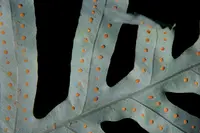
This fern does not produce flowers. It reproduces by spores, which form in small clusters on the underside of fertile fronds. Lack of blooms is normal and not a sign of poor health.

Grow Healthy Plants with Botan Care

Keep your plants happy and healthy with plant identification, disease detection, and easy care guidance.

Botan plant care app — identify plants on mobile

Explore More Plants