creeping golden polypody Care (Phlebodium decumanum)

creeping golden polypody

About creeping golden polypody

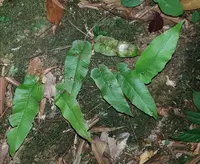
Creeping golden polypody (Phlebodium decumanum) is an epiphytic fern, which means it often grows on trees rather than in soil. It forms trailing rhizomes with arching, leathery fronds that create a cascading, layered look.

In nature, it occurs in tropical forests of Central and South America, where it enjoys warm, humid, shaded environments. Its ability to handle indirect light and moderate indoor humidity makes it reasonably adaptable, though it dislikes drying out completely.

For those who want to care for creeping golden polypody, the main needs are consistent moisture, loose airy substrate, and protection from harsh sun and cold drafts.

Main Plant Requirements

Care Difficulty

Moderate Care

Light Preference

Bright Indirect Light

Water Requirements

Keep Soil Moist

Temperature Preference

Tropical / Frost Sensitive

Hardiness Zone

10–12

Soil Texture

Loamy, Peaty, Organic-rich

Soil pH

Acidic (5.5–6.5)

Soil Drainage

Moist but well-drained

Fertilization

Light (every 4–6 weeks)

Get Personalized Care Plan

Scan your plant to receive care tips personalized for your specific plant

Available on iOS and Android

How to Care for the creeping golden polypody

This fern prefers soft, filtered light similar to bright forest shade.

  • Provide 4–6 hours of bright, indirect light daily, such as dappled shade under taller plants or a north/east exposure with sheer curtains for creeping golden polypody.
  • Tolerates partial shade, but fronds become sparse and stretched if grown in very dim conditions; move gradually to a brighter site if new growth is pale or thin.
  • Avoid harsh midday or afternoon sun, which scorches fronds and causes crisp brown patches; in summer, shift to deeper shade or increase distance from windows.

This species prefers steadily moist but not waterlogged conditions around its roots and rhizomes.

  • Water when the top 2–3 cm of soil feels barely dry, aiming for evenly damp soil that never stays saturated or dusty-dry for long periods.
  • In warm, active growth seasons, expect more frequent watering; in cooler months, allow the surface to dry a bit more while still preventing the root zone from fully drying out.
  • Watch for yellowing, limp fronds and a sour smell as signs of overwatering and poor drainage, while crisp, curling frond tips indicate the plant is staying too dry.

This fern thrives in consistently warm, frost-free conditions.

  • Aim for 65–80°F (18–27°C) for best growth, as this approximates the warm, humid habitats where Phlebodium decumanum naturally occurs.
  • Protect from cold; growth slows below 60°F (16°C), and tissue damage can occur if exposed for long to temperatures near 40°F (4°C).
  • Avoid sudden temperature swings, hot drafts, or heat above 86°F (30°C); in hot weather, increase shade and airflow to reduce heat stress on fronds.

This fern needs relatively high humidity to keep fronds healthy and minimize stress.

  • Aim for 50–70% humidity; lower levels are tolerated but frond tips may brown over time.
  • Watch for crisping edges, dull color, and slow unfurling fronds as signs of humidity stress in creeping golden polypody.
  • Increase humidity with a nearby humidifier, grouping plants, or a pebble tray, rather than misting alone.

This species prefers a loose, organic-rich, well-aerated mix that drains quickly but does not dry out abruptly.

  • Use a mix of 40% peat or coco coir, 30% fine bark, 20% perlite, and 10% compost to mimic loose forest litter for Phlebodium decumanum.
  • Ensure water drains through in seconds and the mix feels springy, not compacted, to keep rhizomes and roots evenly moist but oxygenated.
  • Keep pH slightly acidic to neutral, around 5.5–7.0, avoiding strongly alkaline mixes that can limit nutrient uptake.
  • Avoid heavy garden soil, dense potting mixes without perlite or bark, and any medium that stays soggy or forms hard clods.

This fern grows very well in containers, including hanging baskets and wide shallow pots.

  • Choose a broad, shallow container so creeping rhizomes can spread horizontally without crowding into a deep, compact mass.
  • Select a slightly heavier pot material, such as ceramic, to stabilize the spreading foliage and reduce accidental tipping.
  • Leave 1–2 cm between soil level and pot rim to prevent water and loose mix from spilling as the plant expands outward.

This fern benefits from light, consistent feeding rather than heavy fertilization.

  • Use a balanced liquid fertilizer (such as 10-10-10) diluted to 1/4–1/2 strength for creeping golden polypody.
  • Feed every 4–6 weeks during spring and summer when growth is active.
  • Skip or greatly reduce feeding in fall and winter, especially in low light.
  • Flush the pot with plain water every few months to prevent salt buildup in the soil.

Phlebodium decumanum needs only light, hygienic pruning to stay tidy and healthy.

  • Trim dead, yellowing, or diseased fronds at the base at any time of year with clean, sharp scissors.
  • In late winter or early spring, remove crowded or damaged fronds to improve air flow and light penetration.
  • Cut spent fronds close to the rhizome without injuring living tissue to maintain an attractive, arching shape.

This fern prefers slightly snug pots but benefits from occasional repotting to refresh its growing medium.

  • Look for roots circling the container, slow growth, or very quick drying soil as signs it is time to repot.
  • Plan to repot every 2–3 years in spring, just as new growth starts.
  • Choose a shallow, wider pot and use a loose, airy mix labeled for ferns or orchids to support the creeping rhizomes.
  • Handle roots gently, keep the rhizome at the same level, water thoroughly, then keep in shaded, stable conditions for 1–2 weeks.

Phlebodium decumanum is most reliably propagated by division of its creeping rhizomes.

  • Divide mature plants in spring when active growth begins and temperatures are mild.
  • Lift the plant, then cut the rhizome into sections, each with several healthy fronds and a good root portion.
  • Plant divisions in a moist, airy fern mix, keeping rhizomes just at or slightly above the surface.
  • Maintain high humidity, bright indirect light, and evenly moist soil until new fronds emerge and growth stabilizes.

This tropical fern is not frost hardy and needs mild, protected conditions in winter.

  • In climates below 50°F, grow in containers so plants can be overwintered indoors.
  • Before first frost, move pots to a bright, cool room kept around 60–70°F.
  • Reduce watering in winter, keeping the mix slightly moist but never saturated.
  • Avoid cold drafts, hot air vents, and sudden temperature swings that stress fronds and rhizomes.

Care Tips

Rhizome Positioning

Set the rhizomes right at the substrate surface, not buried, so new fronds and roots can develop freely and excess moisture does not cause rot.

Mounted Culture Option

Mount the plant on cork bark or a fern board with a thin layer of sphagnum and fine orchid bark to mimic its epiphytic habit and improve long-term rhizome health.

Segmented Repotting

When the clump outgrows its container, divide the rhizome into sections with at least 3–4 healthy fronds each and pot them separately to rejuvenate growth and reduce stress on the mother plant.

Frond Cleaning Routine

Wipe the blue-green fronds gently with a soft, barely damp cloth every 4–6 weeks to remove dust without stripping the natural waxy coating that helps regulate moisture loss.

Preventing Salt Build-Up

Every 6–8 weeks, flush the potting mix thoroughly with clean, lukewarm water until it runs freely from the drainage holes to reduce fertilizer salt accumulation, which is especially important when caring for creeping golden polypody in containers.

Common Pests and Diseases

Scale insects

This pest feeds on fronds and rhizomes, causing yellowing, spotting, and reduced vigor, especially on sheltered indoor plants. Symptoms include sticky honeydew on fronds and hard, dome‑shaped bumps on stems and leaf bases.

Solution

Scrape or wipe insects off with a cotton pad dipped in diluted alcohol or insecticidal soap, paying special attention to the blue rhizomes and frond bases. Repeat every 7–10 days until new growth is clean, and improve airflow and light to reduce reinfestation when planning how to take care of creeping golden polypody.

Mealybugs

These insects hide along the blue rhizomes and frond bases, leaving white cottony clusters and causing stunted, distorted new fronds. This pest often appears when plants are kept in warm, dry rooms with little air movement.

Solution

Isolate the plant, then swab visible mealybugs with cotton dipped in isopropyl alcohol and rinse the foliage gently with lukewarm water. For heavier infestations, apply an insecticidal soap or neem oil spray to all rhizomes and frond undersides and repeat at 7–10 day intervals until no new insects appear.

Fern aphids

These insects gather on tender unfurling fronds and undersides of pinnae, sucking sap and causing curling tips, pale patches, and sticky honeydew. This pest is more common on plants grown in bright, warm spots indoors or in sheltered patios.

Solution

Rinse fronds thoroughly under a gentle shower or tap, directing water to the undersides and emerging fronds. If aphids return, use an insecticidal soap spray on both sides of the fronds and repeat weekly until new growth remains clean, avoiding sprays during strong sun to prevent leaf burn.

Rhizoctonia leaf spot

This disease causes irregular brown or tan spots that may merge, leading to blighted sections on fronds, often starting where water sits on the leaf surface. Symptoms include progressive yellowing and premature dieback of affected fronds in humid, poorly ventilated conditions.

Solution

Remove and discard heavily spotted fronds, then reduce overhead watering and avoid water sitting on the leaves. Improve airflow and space around the plant, and if spotting continues, apply a labeled fungicide for fern leaf spots according to directions, focusing on new and lightly affected fronds.

Pythium rhizome rot

This disease affects the creeping rhizomes, turning them soft, brown, and foul-smelling, which leads to sudden collapse of fronds despite moist soil. Symptoms include mushy rhizome segments and blackened roots in poorly drained mixes or containers without adequate drainage holes.

Solution

Cut away all soft, discolored rhizome and roots with sterile tools, keeping only firm, healthy blue segments, and repot into a fresh, airy fern mix in a pot with good drainage. Allow the top of the mix to dry slightly between waterings, avoid waterlogged saucers, and maintain moderate, not saturated, moisture to prevent recurrence.

Interesting Facts

Epiphytic rainforest fern

This species naturally grows as an epiphyte on tree trunks and large branches in lowland tropical rainforests, anchoring to bark rather than rooting in soil. It absorbs much of its moisture and nutrients from rain, mist, and organic debris that collects around its rhizomes.

Golden rhizome coating

Its creeping rhizomes are covered with dense golden to yellow-brown scales, which give rise to the common name creeping golden polypody. These scales help protect the rhizome from water loss and physical damage in exposed canopy positions.

Distinctively lobed fronds

The fronds are deeply lobed and can reach notable lengths, often over 1 m in favorable wild conditions. This lobed structure increases surface area for photosynthesis while keeping the fronds relatively light and flexible in canopy winds.

Botan icon

Did you know?

This fern often forms part of a living canopy community, sharing tree branches with orchids, bromeliads, and mosses, and its accumulated leaf litter and rhizome network can create small “islands” of habitat that support invertebrates and other tiny organisms high above the forest floor.

FAQs about creeping golden polypody

This species spreads slowly to moderately via creeping rhizomes, forming low, wandering clumps rather than dense, choking mats. In containers it stays well contained. In the ground, edging or barriers limit spread if space is tight.

Grow Healthy Plants with Botan Care

Keep your plants happy and healthy with plant identification, disease detection, and easy care guidance.


Botan plant care app — identify plants on mobile

Explore More Plants