New York fern Care (Thelypteris noveboracensis)

New York fern

About New York fern

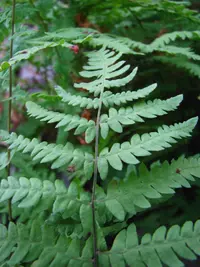
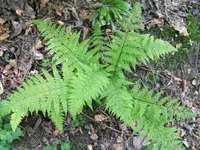
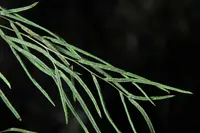
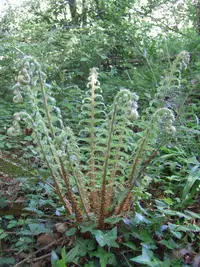
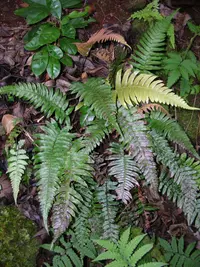
New York fern, Thelypteris noveboracensis, is a deciduous woodland fern native to eastern North America. It forms soft, arching fronds that taper at both ends, creating a graceful, vase-shaped clump.

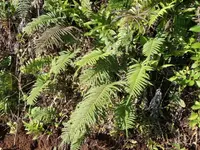
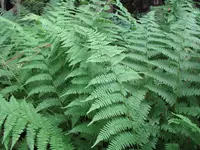
This species typically carpets moist, shaded forest floors and stream banks, spreading slowly by creeping rhizomes. Its fine texture and fresh green color make it useful for naturalistic shade gardens.

New York fern is generally considered easy to grow when kept in consistent moisture and humus-rich, slightly acidic soil. Understanding how to care for New York fern starts with providing dappled shade and protection from drying winds.

Main Plant Requirements

Care Difficulty

Moderate Care

Light Preference

Partial Shade

Water Requirements

Keep Soil Moist

Temperature Preference

Cold Hardy

Hardiness Zone

3–8

Soil Texture

Loamy, Silty, Organic-rich

Soil pH

Strongly acidic (4.5–5.5), Acidic (5.5–6.5)

Soil Drainage

Moist but well-drained

Fertilization

Minimal (feed rarely)

Get Personalized Care Plan

Scan your plant to receive care tips personalized for your specific plant

Available on iOS and Android

How to Care for the New York fern

This woodland fern prefers soft, filtered light that mimics a shaded forest floor.

  • Provide bright dappled shade or high filtered light, with only 1–3 hours of gentle morning sun and no direct afternoon sun.
  • Site New York fern in locations with 70–90% shade; too much sun causes leaf scorch, bleaching, and dry, crisp fronds.
  • In summer, shift or protect plants from stronger light; in cooler seasons, slightly more indirect light helps maintain dense, green foliage.

This species thrives in consistently moist, humus-rich soil without becoming waterlogged.

  • Aim for soil that feels evenly damp; in the top 2–3 cm, allow only slight surface drying before the next thorough soak.
  • In spring and summer, increase watering during warm, dry spells; reduce slightly in fall, but do not let the root zone fully dry in winter.
  • Watch for drooping, crisp fronds as a sign of underwatering, and yellowing, limp fronds or sour-smelling soil as signs of overwatering or poor drainage.

This hardy fern is adapted to cool to mild climates with distinct seasons.

  • Optimal growing temperatures are 60–75°F (16–24°C), with vigorous frond growth in cool, moist spring and early summer conditions.
  • Established plants tolerate down to about 0°F (-18°C) in the ground, dying back above soil level but re-sprouting from the rhizomes in spring.
  • In hot spells above 85°F (29°C), provide extra shade and moisture, as prolonged heat plus dry soil can cause frond scorch and early dormancy.

This fern prefers consistently moist air and reacts quickly to dry conditions.

  • Aim for 50–70% humidity; it tolerates brief dips lower but not prolonged very dry air from heating or air conditioning.
  • Crisping tips, dull fronds, and slowed unfurling of new fronds indicate humidity stress rather than underwatering.
  • Use a wide pebble tray under the pot, group multiple plants, or run a small humidifier nearby to keep humidity stable.

This species needs evenly moist, humus-rich soil that stays airy yet does not dry out quickly.

  • Use a loose, loamy mix of roughly 50% peat or coco coir, 30% composted organic matter, and 20% perlite or fine bark for structure.
  • Provide steady drainage so water moves through but the soil remains slightly damp, never waterlogged or fully dry.
  • Target a slightly acidic pH around 5.5–6.5, which supports nutrient uptake for Thelypteris noveboracensis and reduces micronutrient lockout.
  • Avoid heavy clay, pure sand, or compacted mixes; if soil feels dense, lighten it with extra perlite or fine bark to improve aeration and root health.

This fern can adapt to container culture if the pot supports its shallow, spreading root system and moisture needs.

  • Choose a wide, relatively shallow pot to accommodate rhizomes that spread horizontally rather than a deep taproot.
  • Select a heavier material such as ceramic or clay to reduce tipping as fronds arch outward and make the container top-heavy.
  • Use a saucer that allows quick emptying after watering so the lower root zone does not sit in stagnant water.

This fern is adapted to low-nutrient forest soils and needs only modest feeding in cultivation.

  • Use a light application of compost or a balanced, diluted liquid fertilizer (around 10-10-10 at 1/4 strength) in spring as new fronds emerge.
  • Feed New York fern once every 4–6 weeks through mid-summer if soil is poor or plant growth appears weak.
  • Avoid fertilizing in late fall and winter, when growth is naturally slow or dormant.
  • Always water before and after applying fertilizer to reduce root burn and keep salts from building up in the soil.

Pruning Thelypteris noveboracensis focuses on cleaning and thinning rather than shaping.

  • Cut back dead, yellowing, or diseased fronds at the base in late winter or very early spring before new growth unfurls.
  • Remove storm-damaged or broken fronds at any time using clean, sharp scissors or hand pruners to prevent tearing tissues.
  • Thin crowded clumps by taking out a few older fronds to improve air flow and reduce fungal issues in humid conditions.
  • Avoid shearing the whole clump; selective removal preserves the natural arching form and maintains steady photosynthesis.

This species is usually grown in the ground, with transplanting done only when clumps outgrow their space or decline in vigor.

  • Look for signs like crowded crowns, weak frond production, or rhizomes creeping beyond the intended area as cues to divide and move plants.
  • Plan transplanting for early spring or early fall, aiming for cool, moist weather to lower stress and drying of roots.
  • Lift the clump with a sharp spade, keep as much soil as possible around the roots, and divide into sections with several healthy crowns each.
  • Replant divisions at the same depth in humus-rich, moist soil, water thoroughly, and shade lightly for 1–2 weeks to aid recovery.

Division is the most practical method for increasing Thelypteris noveboracensis in gardens.

  • Choose early spring or early fall, when temperatures are mild and soil moisture is high, to split established clumps.
  • Dig up part of the rhizome-based root mass and divide it into pieces, each with multiple fronds or buds attached.
  • Replant divisions promptly into shaded, moist, organic-rich soil, keeping the crown at the same level as before.
  • Keep soil evenly damp and avoid direct, harsh sun until new fronds emerge and growth stabilizes over several weeks.

This fern is cold hardy in much of its native range and usually needs minimal winter attention in the ground.

  • In climates with freezing winters, allow fronds to die back naturally; they can insulate the crown until late winter cleanup.
  • Apply a 5–7 cm layer of leaf mulch around the root zone in late fall to moderate soil temperature and conserve moisture.
  • For containers in colder regions, move pots into an unheated garage or sheltered porch to avoid repeated freeze-thaw cycles affecting the roots.

Care Tips

Control Spreading Edges

Install a shallow edging (5–8 cm deep) or a root barrier around beds to keep this running fern from invading nearby plantings while still allowing a dense colony to form inside the defined area.

Use Leaf-Litter Mulch

Top-dress the planting with a loose layer of shredded leaves or leaf mold each fall to mimic forest duff, which helps maintain moisture, moderates soil temperature, and slowly improves the organic content the fern prefers.

Divide For Vigor

Lift and divide crowded clumps every 3–5 years in early spring, replanting only the healthiest rhizome sections with firm roots to maintain strong growth and renew a thinning patch.

Plan Companion Shade

Combine this fern with shallow-rooted, non-aggressive woodland perennials rather than deep or heavy feeders so the fine fern roots do not lose access to moisture and nutrients.

Naturalize In Drifts

When caring for New York fern in larger spaces, plant several small groups 30–45 cm apart instead of a single dense block so the plants can knit together into a natural-looking colony that is easier to weed and manage over time.

Common Pests and Diseases

Fern aphids

This pest feeds on tender frond tissue and rachises, causing distortion, yellowing, and sticky honeydew on the foliage. Symptoms include curled new fronds and sooty mold developing on the honeydew in dense colonies.

Solution

Rinse colonies off the fronds with a firm but gentle stream of water, then repeat every few days until populations drop. In shaded woodland beds, introduce or conserve natural predators like lady beetles, and if needed use an insecticidal soap labeled for ferns, applied thoroughly to both upper and lower frond surfaces.

Fern scale

These insects attach to the lower stems and midribs of fronds, appearing as small, flat, brown or gray bumps. Symptoms include gradual frond yellowing, reduced vigor, and sticky exudates that can support sooty mold.

Solution

Prune and discard heavily infested fronds, then gently scrape or wipe remaining scales with a cloth or soft brush dipped in diluted horticultural soap. For persistent infestations in mass plantings, apply a horticultural oil during the growing season, ensuring good coverage without spraying in full sun or high heat.

Rhizoctonia leaf blight

This disease causes irregular brown lesions starting at the frond tips or edges, often coalescing into large blighted areas under warm, moist conditions. Symptoms include a patchy, thinned stand of ferns with browned, collapsed fronds in poorly ventilated or crowded sites.

Solution

Remove and dispose of blighted fronds to reduce inoculum, and thin crowded clumps to improve airflow and faster drying after rain or irrigation. Avoid overhead watering, keep mulch from resting directly against frond bases, and if needed use a fungicide labeled for ornamental ferns in landscape settings, following all label directions.

Pythium damping-off

This disease primarily affects young spores or recently emerged fiddleheads, causing them to collapse, darken, and decay at the soil line. Symptoms include patchy failure of new plants in moist propagation beds or poorly drained sites.

Solution

Use a well-draining, sterile propagation mix and avoid overwatering when trying to grow Thelypteris noveboracensis from spores or divisions. Discard affected seedlings, improve drainage or raise the bed, and disinfect propagation trays or tools before starting new batches.

Interesting Facts

Distinctive frond shape

This fern’s fronds are broadest near the middle and taper toward both the base and the tip, which creates a distinctive shuttlecock or vase-like outline that helps distinguish it from many other woodland ferns in eastern North America.

Colonizes by creeping rhizomes

It has slender, creeping rhizomes (underground stems) that allow it to spread into dense colonies on moist forest floors, often forming large patches that can dominate the herb layer in suitable habitats.

Preference for acidic soils

This species is strongly associated with moist, acidic substrates, and is often used by field botanists as an indicator of low-pH forest soils in the Appalachian and northeastern regions.

Botan icon

Did you know?

New York fern typically sheds many of its sterile fronds by late summer, so colonies may look much sparser later in the growing season than in spring, a seasonal pattern that field botanists use as a clue when identifying it in the wild.

FAQs about New York fern

This species spreads by shallow rhizomes and can form dense colonies over time, especially in moist, humus-rich soil. It is usually manageable, but edging or root barriers help keep fronds from overtaking smaller neighboring plants.

Grow Healthy Plants with Botan Care

Keep your plants happy and healthy with plant identification, disease detection, and easy care guidance.

Botan plant care app — identify plants on mobile

Explore More Plants