Mulch For Cool Roots
Apply a 3–5 cm layer of fine bark or leaf mold around the crown, keeping it 2–3 cm away from the base, to keep roots cool, conserve moisture, and reduce weed competition without suffocating the rhizome.

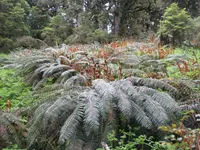
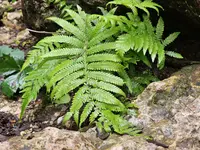
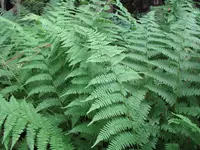
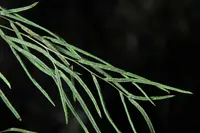
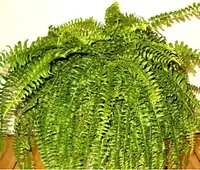
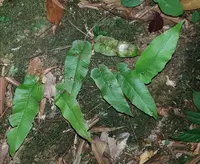
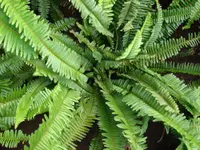
Prickly shield fern (Polystichum vestitum) is an evergreen fern valued for its dense, arching fronds and tough, upright clumping habit. The fronds have firm, leathery leaflets with small spines along the edges, giving the plant a clearly textured, architectural look. This species is native to New Zealand and nearby islands, where it grows in cool, moist forests and subalpine habitats. It adapts well to shaded gardens and sheltered outdoor containers in mild climates. Polystichum vestitum prefers consistent moisture, humus-rich soil, and protection from harsh sun and drying winds. These traits make it relatively easy to care for Prickly Shield Fern if its need for cool, moist, shaded conditions is respected.

Care Difficulty
Moderate Care

Light Preference
Partial Shade

Water Requirements
Keep Soil Moist

Temperature Preference
Cold Hardy

Hardiness Zone
7–9

Soil Texture
Loamy, Peaty, Organic-rich

Soil pH
Acidic (5.5–6.5), Slightly acidic (6.5–7.0)

Soil Drainage
Moist but well-drained

Fertilization
Minimal (feed rarely)
Scan your plant to receive care tips personalized for your specific plant
Available on iOS and Android
Polystichum vestitum prefers cool, shaded conditions that mimic a forest understory.
Polystichum vestitum prefers consistently moist but not waterlogged soil.
This fern thrives in cool to mild climates with moderate temperature swings.
This fern prefers steadily moist air and reacts fast to drying conditions.
Polystichum vestitum prefers a cool, moist, humus-rich substrate with steady drainage.
This fern adapts well to container culture outdoors and on shaded patios.
This fern has modest nutrient needs, so light feeding supports healthy fronds without forcing soft, weak growth.
Pruning Polystichum vestitum is mainly about hygiene and maintaining a tidy clump rather than reshaping the plant.
This fern prefers stable conditions, so transplanting or repotting should be infrequent and deliberate.
New plants of Polystichum vestitum are most reliably produced by division rather than by spores, which are slower and less predictable.
This fern is generally cold hardy in temperate climates and needs only minimal winter attention outdoors.

Plant Health Check
Not sure what's wrong with your plant? Check your plant's health inside the app.
This species naturally grows in exposed, windy habitats across New Zealand and the subantarctic islands, forming sturdy clumps that withstand strong coastal and montane winds better than many other ferns.
Its fronds have stiff, bristly tips and toothed pinnae, a feature that gives rise to the common name prickly shield fern and helps distinguish it from softer-textured native ferns in the same regions.
In southern New Zealand tussock grasslands and shrublands, this fern often grows beneath or between tussocks, contributing to ground cover, erosion control, and microhabitats for invertebrates.

This fern extends its natural range far into cool, oceanic climates, occurring not only on the main New Zealand islands but also on remote, harsh subantarctic islands such as the Auckland and Campbell Islands, where relatively few vascular plant species can survive.
This species does not produce flowers. It reproduces by spores, which form in small clusters on the undersides of mature fronds. Lack of blooms is normal and not a sign of poor health or incorrect care.
Keep your plants happy and healthy with plant identification, disease detection, and easy care guidance.