ovate marsh fern Care (Thelypteris ovata)

Also known as: Ovate maiden fern
ovate marsh fern

About ovate marsh fern

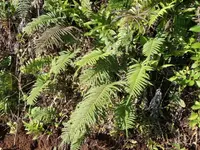
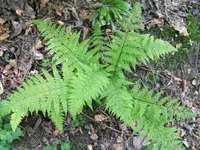
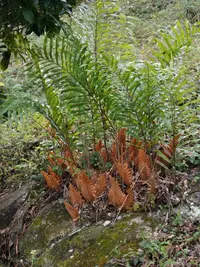
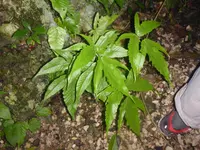
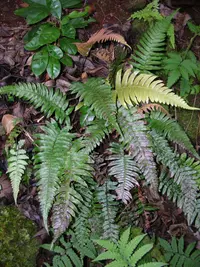
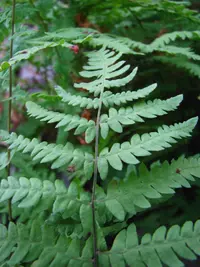
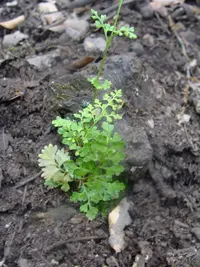
Ovate marsh fern, Thelypteris ovata, is a deciduous woodland fern native to moist forests and stream banks in the eastern and south-central United States. It forms upright clumps of arching fronds with broad, ovate leaf segments that create a soft, layered texture.

This species spreads slowly by rhizomes, building dense colonies over time where conditions stay consistently moist. It prefers dappled shade, humus-rich soil, and steady moisture, which makes it better suited to sheltered gardens than exposed, dry spots.

Gardeners who learn how to care for ovate marsh fern usually find it reliable once planted in a cool, shaded, and evenly moist location.

Main Plant Requirements

Care Difficulty

Moderate Care

Light Preference

Partial Shade

Water Requirements

Keep Soil Moist

Temperature Preference

Cool Climate

Hardiness Zone

5–9

Soil Texture

Loamy, Silty, Organic-rich

Soil pH

Acidic (5.5–6.5)

Soil Drainage

Moist but well-drained

Fertilization

Minimal (feed rarely)

Get Personalized Care Plan

Scan your plant to receive care tips personalized for your specific plant

Available on iOS and Android

How to Care for the ovate marsh fern

This fern prefers bright, filtered conditions that mimic a light woodland edge.

  • Provide dappled or filtered light with 2–4 hours of gentle morning sun and shade the rest of the day.
  • Plant ovate marsh fern where it receives partial shade; strong midday and afternoon sun can scorch fronds and dry soil too quickly.
  • In summer, increase shade or use taller plants for protection; in cooler seasons, allow a bit more morning sun to support steady growth.

This species prefers consistently moist soil without becoming waterlogged.

  • Water when the top 1–2 cm of soil feels slightly dry, aiming to keep the root zone evenly moist, not soggy.
  • Use rich, humusy soil that drains well yet holds moisture; standing water or foul odor indicates overwatering and poor drainage.
  • In hot, dry weather increase checks for wilted or crisping fronds, while in cool or rainy seasons reduce watering to avoid soft, yellowing fronds and root rot.

This fern grows best in mild, temperate conditions with cool to warm summers.

  • Ideal growth occurs around 60–80°F (16–27°C), with stable moisture helping the plant tolerate the higher end of this range.
  • Thelypteris ovata generally copes with brief drops to about 20–25°F (-6 to -4°C) once established but young plants are more vulnerable.
  • Protect from hard, repeated frosts and drying winter winds, and during heat waves above 90°F (32°C) increase shade and soil moisture to limit stress.

This fern prefers consistently moist air and reacts quickly to very dry conditions indoors.

  • Aim for 60–80% humidity; it tolerates brief drops to 40–50% but fronds may crisp at the edges.
  • Watch for pale, browning tips and slower unfurling fronds as signs of low humidity stress.
  • Use a room humidifier, pebble tray under the pot, or group ovate marsh fern with other plants to raise local humidity.

This species thrives in moist, airy, humus-rich soil that stays damp but not stagnant.

  • Use a loose, organic-rich mix such as 2 parts peat or coco coir, 1 part compost, and 1 part perlite or fine bark to mimic woodland loam.
  • Keep drainage moderate: soil should drain within a few minutes yet remain evenly moist, never waterlogged or completely dry.
  • Aim for slightly acidic to neutral pH around 6.0–7.0, which supports nutrient uptake and healthy root growth in Thelypteris ovata.
  • Improve aeration by mixing in fine pine bark or extra perlite if the soil compacts or water pools on the surface.

This fern adapts well to container growing outdoors in shaded, consistently moist settings.

  • Choose a wide, shallow pot to accommodate its spreading rhizomes and maintain even moisture across the root zone.
  • Select a heavier material such as clay or ceramic to steady the plant and slow evaporation in windy or hot spots.
  • Elevate the container on pot feet so drainage holes stay clear and excess water can escape quickly after heavy rain or deep watering.

This native fern usually needs minimal feeding when planted in rich, moist soil.

  • For container-grown ovate marsh fern, apply a balanced, water-soluble fertilizer (for example 10-10-10) diluted to 1⁄4–1⁄2 strength.
  • Feed every 4–6 weeks during spring and summer only, on already moist soil.
  • Use leaf mold or compost as a light top-dressing outdoors instead of frequent liquid feeds.
  • Stop fertilizing in fall and winter when growth slows or fronds die back.

Pruning focuses on removing old fronds to keep Thelypteris ovata tidy and healthy.

  • Cut dead, yellowing, or damaged fronds at the base at any time of year using clean, sharp scissors or hand pruners.
  • In late winter or very early spring, remove all old, browned fronds to make space for fresh growth.
  • Thin crowded or overlapping fronds lightly to maintain good air movement and reduce fungal issues.
  • Avoid heavy cutting into the crown, which can slow regrowth and weaken the plant.

This fern is more often transplanted in the ground than repotted, but container plants may need periodic attention.

  • Check for roots circling the pot, drying out quickly, or reduced vigor as signs it needs a larger container.
  • Transplant or up-pot in early spring or early fall, moving only 1 pot size up and keeping the crown at the same depth.
  • Handle Thelypteris ovata gently, loosening roots slightly without tearing dense root masses.
  • Water thoroughly after moving, then keep soil evenly moist and shaded for 1–2 weeks to reduce transplant stress.

Division is the most practical method for increasing Thelypteris ovata in gardens or containers.

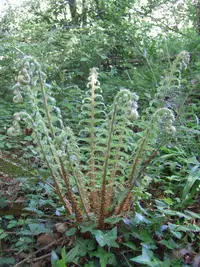
  • Divide established clumps in early spring when new croziers (unfurling fronds) first appear.
  • Lift part of the clump with a fork, keeping several fronds and healthy roots per division.
  • Replant divisions into moist, humus-rich soil, firming gently around the roots.
  • Maintain consistent moisture and light shade until new growth resumes, then return to normal care.

This fern is cold hardy in much of its native range and usually needs only light winter care.

  • In the ground, allow fronds to brown naturally; they can insulate the crown in colder zones.
  • In late fall, add a 5–8 cm layer of leaf mulch around the root zone in exposed or marginal climates.
  • For containers in colder areas than its hardiness range, move pots into a sheltered, unheated but frost-free space.

Care Tips

Mulch For Moisture

Apply a 3–5 cm layer of fine shredded bark or leaf mold around the fern crown, keeping it 2–3 cm away from the base, to stabilize soil moisture and temperature and reduce weed competition.

Edge To Contain Spread

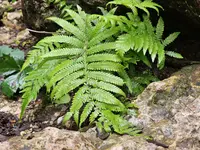
Install a shallow root barrier or edging 10–15 cm deep around planting areas to keep rhizomes from spreading into paths or neighboring beds while still allowing a natural clumping appearance.

Spring Frond Renewal

In late winter or very early spring, cut back old, tattered fronds at the base so that new fiddleheads emerge cleanly and reduce hiding places for slugs and overwintering pests when growing ovate marsh fern.

Slug And Snail Management

Place rough copper tape or abrasive grit (such as crushed horticultural gravel) in a ring around plants and hand-pick slugs at dusk after rain to protect tender emerging fronds from chewing damage.

Moisture Monitoring Zone

Create a small, shallow test hole 5–8 cm from the crown and check this spot by hand after irrigation or rain; the soil in this zone should feel consistently moist but never soupy, which helps fine-tune irrigation schedules for long-term health.

Common Pests and Diseases

Fern aphids

This pest feeds on tender fronds and rachises, especially on young growth in moist, sheltered spots. Symptoms include distorted new fronds, sticky honeydew, and sometimes sooty mold on the foliage.

Solution

Rinse colonies off with a firm stream of water, focusing on the undersides of fronds, and repeat weekly until populations drop. In persistent cases, spot-treat with insecticidal soap or a light horticultural oil, applied in the early morning and kept off very young, unfurled fronds to avoid burn.

Slugs and snails

These pests are strongly attracted to the consistently moist, shaded sites where ovate marsh fern grows. Symptoms include irregular holes and notches in fronds, shredded edges, and slime trails on soil or foliage.

Solution

Hand-pick at night or early morning and remove hiding places such as boards, dense debris, and thick mulch against the crown. Where damage is heavy, use iron phosphate slug bait according to label directions, placing it outside the tightest fern clumps to reduce contact with non-target wildlife.

Leaf spot

This disease appears as scattered brown to purplish spots or blotches on fronds, sometimes with yellow halos or a dry, papery center. Symptoms include premature browning and early loss of affected fronds in warm, humid weather.

Solution

Remove and discard heavily spotted fronds to reduce spore spread, and avoid overhead watering so leaf surfaces dry faster. Improve spacing and airflow around clumps; in severe or recurring cases, a labeled copper or chlorothalonil-based fungicide can be applied during extended wet periods, following all safety directions.

Rhizoctonia crown rot

This disease affects the crown and lower rhizome in saturated or poorly drained soils. Symptoms include sudden wilting and collapse of fronds, dark sunken lesions at the crown, and a dry, brown rot instead of firm, white tissue.

Solution

Dig out and discard severely affected plants along with the surrounding soil, and avoid replanting ferns in the same spot until drainage is corrected. For early or mild cases, improve soil structure with organic matter, reduce irrigation, and consider a labeled fungicide drench on nearby plants at risk, combined with long-term drainage improvement as the main control.

Interesting Facts

Southeastern US specialist

This fern is native to the southeastern United States, where it is most often found in moist woods, streambanks, and seepage slopes rather than in truly open marshes, despite its common name.

Distinctive ovate pinnae

The leaf segments (pinnae) are broadly ovate with rounded tips and shallow lobes, giving fronds a noticeably fuller, less feathery look than many other thelypteroid ferns.

Two recognized varieties

Botanists recognize at least two varieties, including Thelypteris ovata var. lindheimeri in Texas and adjacent regions, which differs in subtle frond and scale characters from the more eastern typical variety.

FAQs about ovate marsh fern

This species spreads steadily by short creeping rhizomes and self-sowing spores, but is not usually considered aggressively invasive in moist, shaded gardens. Containment is simple: divide clumps every few years and remove unwanted offsets promptly.

Grow Healthy Plants with Botan Care

Keep your plants happy and healthy with plant identification, disease detection, and easy care guidance.

Botan plant care app — identify plants on mobile

Explore More Plants