Substrate rotation
Periodically rotate or replace small sections of the decaying wood or bark so new, fresh substrate is always available, which keeps the colony active and extends its fruiting period when growing Dacrymyces capitatus.

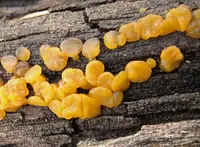
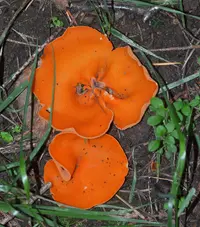
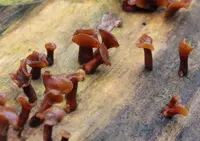
Dacrymyces capitatus is a small, jelly-like fungus rather than a typical leafy plant. It forms soft, often orange to yellowish patches or cushions on dead wood. The fruiting bodies have a moist, gelatinous texture and appear during damp, cool periods.
This species occurs mainly on decaying branches and logs in forests, especially in temperate regions. It contributes to wood decomposition and nutrient recycling.
In cultivation, it is uncommon and best suited to enthusiasts who can provide constantly moist, shaded, wood-based substrates. Because it depends on decaying wood and steady humidity, it is not easy to manage or care for Dacrymyces capitatus in ordinary garden or indoor settings.

Care Difficulty
Moderate Care

Light Preference
Partial Shade

Water Requirements
Keep Soil Moist

Temperature Preference
Warm Climate

Hardiness Zone
Unknown

Soil Texture
Loamy, Organic-rich

Soil pH
Slightly acidic (6.5–7.0)

Soil Drainage
Moist but well-drained

Fertilization
Minimal (feed rarely)
Scan your plant to receive care tips personalized for your specific plant
Available on iOS and Android
This wood-inhabiting jelly fungus prefers cool, moist, shaded conditions rather than strong direct sun.
This jelly fungus depends on consistently moist wood and air rather than direct watering like a typical garden plant.
This species fruits best in cool to mild, moist conditions and declines with temperature extremes.
This wood-inhabiting jelly fungus is highly tolerant of ambient outdoor humidity and usually needs no special control.
This species does not grow in conventional potting soil and instead colonizes decaying wood with consistently moist, airy structure.
This jelly fungus can be maintained in containers only by housing its colonized wood inside a pot or tray rather than rooting it in potting mix.
This jelly fungus grows on decaying wood and usually does not require supplemental feeding in natural or garden settings.
Dacrymyces capitatus does not need structured pruning, but simple hygiene helps keep host wood tidy and reduce unwanted spread.
Transplanting focuses on the colonized wood rather than the fungus itself, since this species lives on dead or decaying branches and logs.
Propagation of this species is typically left to natural spore dispersal and is not a routine horticultural practice.
This fungus is quite tolerant of cold and usually needs no special winter care beyond stable, moist substrate conditions.

Plant Health Check
Not sure what's wrong with your plant? Check your plant's health inside the app.
This species produces small, gelatinous, cushion-like fruiting bodies that become noticeably swollen and more translucent when wet, then shrink and harden as they dry.
It is a saprotrophic jelly fungus that specializes in decomposing dead wood, contributing to nutrient cycling by breaking down complex plant polymers such as lignin and cellulose.
Accurate identification usually requires a microscope, as this species is distinguished from similar Dacrymyces species by subtle features of its spores and basidia, the spore-bearing structures.
This jelly fungus is not known as a common edible species and is generally regarded as inedible. Identification of small yellow jelly fungi is difficult, so it should not be eaten unless confirmed by a qualified mycologist.
Keep your plants happy and healthy with plant identification, disease detection, and easy care guidance.