bristled parachute Care (Marasmius cohaerens)

bristled parachute

About bristled parachute

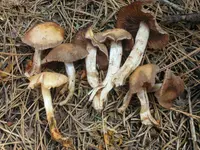
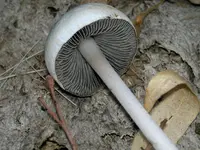
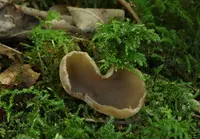
Marasmius cohaerens, commonly called bristled parachute, is a small woodland mushroom rather than a typical houseplant. It forms tight clusters of thin stems topped with small, parachute-like caps that often show fine bristles or hairs. The fruiting bodies appear on decaying leaves and wood in temperate forests, especially in Europe and parts of North America.

This fungus relies on moist, shaded habitats with plenty of leaf litter, reflecting its role in breaking down organic matter. It is not suited to standard pot culture, so learning how to care for bristled parachute mainly interests mushroom enthusiasts and field observers, not indoor plant growers.

Main Plant Requirements

Care Difficulty

Moderate Care

Light Preference

Partial Shade

Water Requirements

Keep Soil Moist

Temperature Preference

Cool Climate

Hardiness Zone

Unknown

Soil Texture

Loamy, Organic-rich, Peaty

Soil pH

Acidic (5.5–6.5), Slightly acidic (6.5–7.0)

Soil Drainage

Moist but well-drained

Fertilization

Minimal (feed rarely)

Get Personalized Care Plan

Scan your plant to receive care tips personalized for your specific plant

Available on iOS and Android

How to Care for the bristled parachute

Marasmius cohaerens thrives in dim woodland-style light that mimics a forest floor.

  • Provide dappled or filtered light under trees or shrubs, similar to 1–3 hours of weak morning sun and bright shade the rest of the day.
  • Avoid direct midday or afternoon sun, which can dry the substrate rapidly and suppress fruiting of the bristled parachute.
  • In summer, maintain consistent shade; in late autumn, brief low-angle sun is tolerated, but prolonged exposure still risks drying and overheating the substrate.

Marasmius cohaerens prefers consistently moist, never stagnant, conditions around its decomposing wood or leaf litter substrate.

  • Aim for evenly moist substrate; allow only the upper 0.5–1 cm of leaf litter or soil surface to look slightly less glossy before re-moistening.
  • Use fine, gentle watering or misting so water penetrates the litter layer without forming puddles, which encourage anaerobic conditions and rot.
  • In cooler seasons reduce watering frequency but avoid complete drying; pale, brittle caps signal underwatering, while sour smell and slimy mycelium suggest excess moisture.

This species fruits best in cool to mild, stable temperatures typical of shaded woodland environments.

  • Target 55–70°F (13–21°C) for reliable growth and fruiting, with short periods up to 75°F (24°C) tolerated if humidity and shade remain high.
  • Below 40°F (4°C), active growth slows markedly, and hard frost can damage fruiting bodies, though underlying mycelium may persist in protected litter.
  • Sustained heat above 80°F (27°C), especially with low humidity, dries the substrate and suppresses Marasmius cohaerens fruiting, so deep shade and moisture are essential in hot spells.

Humidity is not a major control factor for Marasmius cohaerens compared with moisture and substrate conditions.

Marasmius cohaerens fruits best on consistently moist, organic-rich substrates rather than standard potting soil.

  • Use a loose mix based on well-decayed hardwood leaf litter or fine wood chips blended with 20–30% finished compost for nutrients.
  • Keep structure open and airy by adding 10–20% coarse material such as fine bark or wood shavings to prevent compaction.
  • Maintain evenly moist but not waterlogged conditions by allowing excess water to drain freely from the culture container or bed.
  • Avoid heavy clay, dense garden loam, or strongly alkaline substrates; aim for slightly acidic to neutral conditions around pH 5.5–7.0.

This species is not well suited to decorative container culture, but experimental cultivation in shallow trays is possible for study purposes.

  • Choose wide, shallow trays to spread substrate in a thin layer, which helps oxygen reach the fungal mycelium evenly.
  • Drill extra side holes near the tray base to improve lateral air movement and reduce stagnant, anaerobic wet pockets.
  • Place trays on a raised mesh or grill so drainage holes stay clear and leachate can run off without pooling under the container.

Marasmius cohaerens is a woodland fungus that gains nutrition from decaying organic matter and generally does not require added fertilizer in garden or container culture.

Marasmius cohaerens needs no true pruning, but light cleanup supports hygiene around fruiting sites.

  • Inspect during or just after the main fruiting period and remove only dead, rotting, or moldy mushroom bodies by hand.
  • Use clean gloved hands or a small disinfected knife to cut at the base without disturbing underlying wood or leaf litter.
  • Avoid raking or stripping surrounding debris, since this can damage the hidden mycelium that produces new mushrooms.

This species is rarely kept in containers; care focuses on establishing and maintaining a stable outdoor substrate rather than classic repotting.

  • Transplant only if the colonized wood or leaf-litter block must be moved, since disturbance can slow fruiting.
  • Best timing is early spring or early fall, when temperatures are mild and moisture is reliable.
  • Lift the entire colonized substrate intact, avoiding breakage of the white mycelial network beneath the surface.
  • Reinstall the block on similar shaded, moist woodland soil, then water gently to settle gaps and reduce stress.

Marasmius cohaerens is usually propagated by spreading colonized substrate rather than by standard garden techniques.

  • Use colonized wood chips, sticks, or leaf litter as a starter, moving small pieces to a new shaded, moist site.
  • Early fall is generally the most reliable season, when soil is cool and naturally damp.
  • Bury the colonized material shallowly under fresh but not compacted leaf litter to encourage mycelium spread.
  • Avoid letting the substrate dry out completely, but do not waterlog it, as prolonged saturation may favor competing fungi.

In most temperate climates, this woodland fungus is naturally cold hardy and needs minimal targeted winter care.

  • Allow a natural leaf-litter layer to remain in place, providing insulation for the underlying mycelium.
  • Avoid deep digging, raking, or soil compaction in winter, which can damage the living fungal network.
  • For container experiments when growing bristled parachute, keep the substrate just moist and out of severe freeze–thaw cycles, for example in an unheated garage.

Care Tips

Rotate Substrate Trays

If cultivated in shallow trays or boxes, rotate them 90° every 2–3 days under stable conditions so the developing mycelium colonizes more evenly and fruiting bodies emerge more uniformly across the surface.

Use Fine Mist Hydration

Install a fine-mist sprayer or hand mister that produces very small droplets and use it to moisten the air and upper substrate surface rather than pouring water directly, which helps prevent cap damage and substrate compaction when growing bristled parachute.

Introduce Gentle Airflow

Provide gentle, indirect air movement with a small fan placed away from the trays to reduce stagnant air, which helps limit bacterial growth and malformed fruiting bodies without drying the substrate surface.

Monitor With Surface Weights

Place a few pre-weighed, inert markers such as clean ceramic tiles or glass slides on the substrate and reweigh them periodically to estimate moisture loss and time misting before the substrate dries too far.

Harvest At Cap Prime

Check colonies daily once pins appear and harvest mushrooms when caps are fully expanded but not yet faded or brittle, using clean scissors to clip at the base so the remaining mycelium is disturbed as little as possible for repeat flushes.

Common Pests and Diseases

Fruiting body desiccation

Symptoms include caps and stems drying, toughening, and failing to expand fully in prolonged dry or windy conditions. This physiological stress is common in saprophytic fungi that depend on consistent surface moisture in leaf litter.

Solution

Maintain a consistently moist but not waterlogged litter layer by gentle, regular misting of the substrate and immediate surroundings, especially in heated indoor spaces. Reduce air movement and direct drafts, and use a humidity dome or enclosure to keep local humidity higher while still allowing some ventilation to avoid stagnant air.

Bacterial blotch

This disease causes greasy, water-soaked spots on caps that may turn brown and sunken, often starting where free water sits on the mushroom surface. This issue is similar to bacterial problems seen in other cultivated mushrooms kept overly wet.

Solution

Limit overhead watering and avoid leaving standing water on caps; mist lightly and allow surfaces to dry between cycles. Increase gentle air movement, promptly remove affected fruiting bodies, and disinfect tools and containers with a mild bleach solution (about 1:10 bleach to water) before handling new flushes as part of general Marasmius cohaerens care.

Mite infestation

These insects are tiny arachnids that can colonize moist substrates, feeding on fungal mycelium and young primordia, which may lead to deformed or aborted fruiting bodies. Infestations often appear as fine movement on the substrate surface and may leave small pitted areas on caps.

Solution

Quarantine the affected container, remove and discard heavily infested substrate, and reduce excess organic debris around the culture. Use sticky traps around the growing area, keep the substrate just moist rather than wet, and, if needed, apply a targeted biological control such as predatory mites suitable for mushroom production while maintaining good hygiene between batches.

Fungus gnat larvae

These insects lay eggs in moist organic substrate; the larvae feed on mycelium and developing mushrooms, reducing vigor and causing malformed or partially eaten fruiting bodies. Adults resemble small dark flies that hover around the culture surface.

Solution

Cover the substrate with a fine mesh or breathable fabric to block egg laying, and let the top layer dry slightly between mistings while still keeping the bulk substrate moist. Use yellow sticky cards to trap adults, remove any decaying plant material nearby, and refresh or pasteurize substrate between cycles to break the life cycle.

Interesting Facts

Persistent leaf litter decomposer

This species is a specialist on tough, long-lasting beech and oak leaf litter in temperate forests, helping break down material that many other microfungi colonize only poorly.

Strongly clustered fruiting

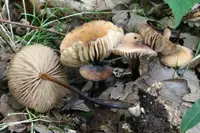
Its small brown caps typically appear in dense, coherent clusters from a shared stem base, a growth pattern reflected in the species name cohaerens, meaning sticking together.

Widely distributed in Europe

The fungus is regularly recorded across much of Europe in deciduous woodlands, where it fruits from late spring into autumn on accumulated leaf litter and fine woody debris.

FAQs about bristled parachute

This small woodland mushroom is not considered a good edible species. It is usually treated as inedible due to its tough texture, insignificant size, and lack of culinary value, even though no serious poisonings are documented.

Grow Healthy Plants with Botan Care

Keep your plants happy and healthy with plant identification, disease detection, and easy care guidance.

Botan plant care app — identify plants on mobile

Explore More Plants