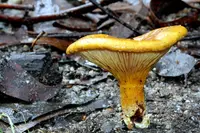
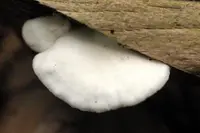
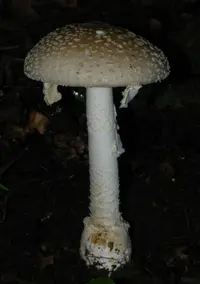
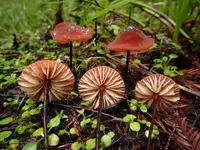
layered cup Care (Peziza varia)

Also known as: Cellar cup, Palomino cup
layered cup

About layered cup

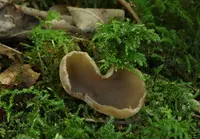
Layered cup (Peziza varia) is a cup fungus, not a traditional leafy plant. It forms shallow, irregular, saucer-like cups in clusters on decaying wood or rich soil. The cups are usually tan to light brown and often overlap, giving a layered appearance.

This species occurs mainly in temperate regions, especially in woodlands, gardens, and mulched beds. It plays a role in breaking down dead organic matter. For those interested in how to care for layered cup, it generally prefers cool, moist, shaded conditions and thrives where there is consistent organic debris to decompose.

Main Plant Requirements

Care Difficulty

Moderate Care

Light Preference

Partial Shade

Water Requirements

Keep Soil Moist

Temperature Preference

Cool Climate

Hardiness Zone

Unknown

Soil Texture

Loamy, Silty, Organic-rich

Soil pH

Slightly acidic (6.5–7.0), Neutral (7.0)

Soil Drainage

Moist but well-drained

Fertilization

Minimal (feed rarely)

Get Personalized Care Plan

Scan your plant to receive care tips personalized for your specific plant

Available on iOS and Android

How to Care for the layered cup

This fungus prefers cool, indirect light rather than strong, direct sun.

  • Site layered cup in dappled shade or open shade, receiving 1–3 hours of weak morning sun at most, with no harsh afternoon sun exposure.
  • Choose locations under deciduous trees or beside logs where light is filtered and scattered, which mimics its natural woodland or disturbed-ground habitat.
  • Watch for bleaching, drying, or cracking of the cups as a sign of sun stress, and for thin, pale, or sparse fruiting when conditions are too dark.

This species fruits best in consistently damp, but not waterlogged, substrates.

  • Aim for soil or decomposing wood that stays evenly moist, with the top 1–2 cm never completely drying out during active fruiting of Peziza varia.
  • Prioritize a loose, well-drained but moisture-retentive substrate; standing water, sour smells, or slimy surfaces indicate excess moisture and poor aeration.
  • In dry or windy weather, increase moisture through gentle soaking or misting of the surrounding substrate, reducing input once cups collapse and decompose.

This fungus fruits in cool to mild temperatures and declines in heat or hard frost.

  • Optimal fruiting usually occurs around 45–65°F (7–18°C), typical of early spring or cool, damp autumn conditions in many temperate regions.
  • It tolerates brief drops close to 32°F (0°C), but repeated hard frosts can damage or halt cup development and reduce overall fruiting.
  • Sustained temperatures above 75°F (24°C), especially with dry air, often cause rapid drying and collapse of cups, so a shaded, moist microclimate is important.

This cup fungus forms outdoors in moist habitats and does not need controlled air humidity.

This saprophytic fungus fruits best in loose, organic-rich, moist but not waterlogged ground.

  • Use a friable mix of leaf litter, well-rotted wood chips, and compost to mimic decaying woodland debris for Peziza varia.
  • Ensure very fast drainage by mixing coarse sand or fine grit at 20–30% of the volume to prevent standing water.
  • Keep texture open and airy so oxygen reaches the decomposing substrate, avoiding compacted or clay-heavy mineral soils.
  • Maintain a slightly acidic to neutral environment around pH 6.0–7.0, avoiding limed or highly alkaline areas.

This species is not suitable for conventional container growing and is best left to natural outdoor substrates.

Peziza varia, the layered cup fungus, grows on nutrient-rich wood or soil and usually needs no additional fertilizer in cultivation or observation settings.

Peziza varia is not a plant and does not require horticultural pruning; management focuses only on hygiene and habitat control.

  • Remove and discard old or decaying cups with gloved hands if appearance or hygiene is a concern, especially near paths or seating areas.
  • Use a clean trowel or knife to lift clusters from the substrate, minimizing disturbance to surrounding soil or mulch.
  • If reducing spread is desired, clear and dispose of heavily decayed wood or organic debris that supports fungal growth.
  • Place removed material in green waste or trash, not in compost, to limit reappearance in managed beds.

This cup fungus is not suited to standard container culture, so repotting is not relevant; management focuses on where it is allowed to fruit.

  • If fruiting bodies appear where unwanted, such as in ornamental beds, gently lift them and the immediate substrate with a trowel.
  • Best timing for any relocation or substrate adjustment is during active fruiting in cool, moist seasons, when structures are easy to see.
  • Transplanting attempts are unreliable because the main fungal body is hidden in the substrate; moving surface cups alone rarely establishes growth elsewhere.
  • To reduce stress on surrounding plants, avoid deep digging and instead adjust surface mulch or remove decayed wood gradually.

Peziza varia is a wild saprophytic fungus, so intentional propagation in home settings is uncommon and technically demanding.

This temperate cup fungus is naturally cold hardy and requires no specific winter care in gardens or wild settings.

Care Tips

Seasonal wood selection

Collect and use freshly cut or recently fallen hardwood sticks or small logs in late winter to early spring, as this timing aligns with natural spore activity and greatly improves the chances of growing layered cup on your prepared substrate.

Shaded moisture basin

Sit your inoculated wood pieces in a shallow tray or basin filled with coarse gravel that you keep evenly moist, which maintains a humid microclimate around the wood while avoiding direct standing water on the fungal tissue.

Debris management

Gently remove thick leaf mats, bark slabs, or heavy mulch from the top of colonized wood after wet periods so the fruiting cups can emerge freely without becoming misshapen or smothered.

Targeted misting only

If conditions are dry, lightly mist the surrounding ground and wood surfaces instead of spraying directly into the cups, which helps maintain humidity while reducing the risk of waterlogged, collapsing fruiting bodies.

Minimal handling practice

Avoid touching, moving, or repeatedly harvesting from the same clump once cups appear, as vibration and physical damage can shorten the fruiting period and disturb the underlying mycelium that supports future flushes.

Common Pests and Diseases

Fungivorous springtails

These insects feed on decaying organic matter and fungal tissues, sometimes grazing on the fruiting bodies and margins of the cups. Symptoms include pitted, rough, or chewed-looking surfaces on the cup edges, especially in very damp substrates rich in leaf litter or compost.

Solution

Reduce excess moisture by improving drainage and avoiding constantly waterlogged substrates, since slightly drier conditions lower springtail numbers. If needed, gently remove heavily infested substrate, replace it with fresh, less saturated material, and use yellow sticky traps around the growing area to monitor and reduce populations while maintaining enough moisture for healthy Peziza varia care.

Fungus gnat larvae

These insects develop in very wet, organic-rich substrates and can tunnel through young fungal tissue or disturb developing cups. Symptoms include distorted or collapsing small cups and the presence of tiny black adult gnats flying close to the substrate surface.

Solution

Allow the substrate surface to dry slightly between waterings and improve ventilation to make conditions less favorable for larval development. Remove algae-rich or decomposing surface material, use fine sand or grit as a topdressing to reduce egg laying, and place yellow sticky traps nearby to capture adults and interrupt the life cycle.

Mite grazing

These pests include various soil and litter mites that feed on fungal tissue and spores, leading to rough, scarred, or eroded areas on the cup surface. Symptoms include small irregular patches of damage and sometimes a dusty appearance where spores have been disturbed or eaten.

Solution

Limit excessive organic debris directly around the cups, since thick layers of decaying material favor mite build-up. If damage is significant, carefully remove and discard heavily affected fruiting bodies and top debris, then maintain moderate humidity with good airflow to discourage high mite densities without overdrying the substrate.

Bacterial soft rot

This disease develops when cups remain in stagnant, saturated conditions and bacteria invade damaged or aging tissue, causing rapid softening and collapse. Symptoms include water-soaked, slimy, foul-smelling patches that spread quickly through adjacent cup tissue.

Solution

Remove and discard all affected cups and nearby decomposing material to reduce bacterial sources. Improve airflow, avoid overhead splashing, and adjust watering so the substrate stays evenly moist rather than constantly saturated, which lowers the risk of recurrent soft rot.

Competitive mold overgrowth

This disease involves fast-growing molds, such as species of Trichoderma or Penicillium, that colonize the same substrate and overrun the cups with green, blue, or white fuzzy growth. Symptoms include rapid decline, discoloration, and partial burial of the cups under dense mold colonies.

Solution

Promptly remove and dispose of heavily overgrown cups and the surrounding moldy substrate. Re-establish the fungus on fresher, clean organic material with good air circulation and stable, moderate moisture, and avoid overfertilizing or heavily manuring the substrate, which favors aggressive competitor molds.

Interesting Facts

Cup reshaping with age

The fruiting bodies start as tightly rolled cups and gradually open into irregular saucer or disc shapes, often splitting and becoming wavy as they mature.

Wood-decay specialist

This species grows on well-rotted hardwood and conifer debris and plays a role in breaking down lignin-rich wood, helping nutrients return to the soil in late winter and spring.

Wide cold-season range

It is common across temperate regions of North America and Europe and often appears very early in the year, sometimes fruiting while snow still lingers nearby.

Botan icon

Did you know?

Peziza varia has been used as a model species in studies of cup-fungus development, helping mycologists understand how the spore-producing surface forms and how asci discharge spores into the air.

FAQs about layered cup

This fungus develops from spores to visible cups within days under cool, moist conditions. Individual fruiting bodies appear quickly, then collapse within 1–3 weeks. It does not form a traditional plant root or shoot system.

Grow Healthy Plants with Botan Care

Keep your plants happy and healthy with plant identification, disease detection, and easy care guidance.

Botan plant care app — identify plants on mobile

Explore More Plants