Substrate hygiene
Remove and replace the top 1–2 cm of substrate after each flush of mushrooms to reduce spore buildup, fungus gnat larvae, and competing molds when growing chestnut brittlestem.

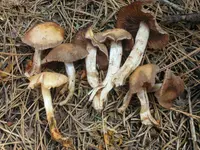
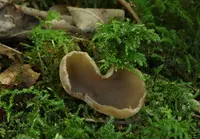
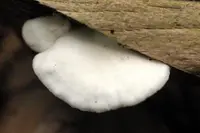
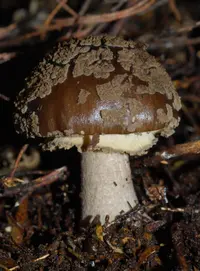
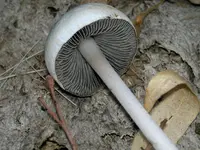
The chestnut brittlestem, Homophron spadiceum, is a small saprotrophic mushroom that breaks down dead organic matter in forests and grasslands. It usually appears on rich soil, leaf litter, or decaying wood. Caps are chestnut to brown and quite fragile, with slender stems that snap easily. It often fruits in clusters during mild, moist conditions. This species plays an important role in nutrient cycling rather than serving as an ornamental or edible fungus. For anyone looking into how to care for chestnut brittlestem in cultivation, it is important to note that it is not a typical home or garden species and is best appreciated in its natural habitat.

Care Difficulty
Moderate Care

Light Preference
Partial Shade

Water Requirements
Moderate Water

Temperature Preference
Cool Climate

Hardiness Zone
Unknown

Soil Texture
Loamy, Silty, Organic-rich

Soil pH
Slightly acidic (6.5–7.0)

Soil Drainage
Moist but well-drained

Fertilization
Minimal (feed rarely)
Scan your plant to receive care tips personalized for your specific plant
Available on iOS and Android
Homophron spadiceum, commonly called chestnut brittlestem, prefers cool, lightly shaded forest conditions rather than strong direct sun.
Water conditions for Homophron spadiceum should imitate a consistently moist but not stagnant forest floor.
This species fruits best in cool, temperate conditions and is sensitive to hard frost and intense heat.
This fungus does not require managed humidity and usually develops outdoors where ambient moisture is sufficient.
This saprotrophic woodland fungus grows in leaf litter rather than conventional soil, but site conditions still influence its success.
This species is not well suited to container growing and is best encouraged in natural or semi-natural ground conditions rather than pots.
This saprobic fungus, commonly called chestnut brittlestem, has no true fertilizer requirement in cultivation.
Homophron spadiceum does not need structured pruning, but minimal hygiene helps maintain healthy fruiting.
This fungus is rarely grown in containers; management focuses on adjusting or relocating its organic substrate.
Propagation of Homophron spadiceum is specialized and not typically attempted by casual growers.
This temperate woodland fungus is naturally cold hardy and usually needs no deliberate winter care from gardeners.

Plant Health Check
Not sure what's wrong with your plant? Check your plant's health inside the app.
This species was long placed in the large genus Psathyrella but molecular studies showed it forms a distinct group, leading to its transfer to the smaller genus Homophron focused on fragile, thin-fleshed mushrooms.
Mature fruit bodies typically show a warm chestnut to reddish-brown cap that can fade or spot with age, a color pattern that helps separate it from many paler, similar-looking brittle mushrooms.
The fungus lives as a saprotroph, breaking down fallen leaves, twigs, and other plant debris in mixed and deciduous forests, contributing to nutrient recycling in cool-temperate ecosystems.
This mushroom is considered inedible and should not be collected for food. Identification of small brown fungi is difficult, and many similar species are toxic. Foraging beginners should avoid eating it and focus on observation only.
Keep your plants happy and healthy with plant identification, disease detection, and easy care guidance.