Dacrymyces lacrymalis Care

Dacrymyces lacrymalis

About Dacrymyces lacrymalis

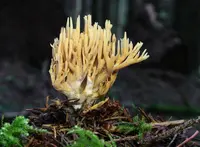
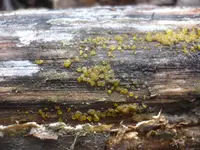
Dacrymyces lacrymalis is a jelly fungus rather than a traditional green plant. It forms small, irregular, gelatinous orange to yellow patches on decaying wood. The fruiting bodies are soft and moist when fresh, then shrink and darken as they dry. This species occurs mainly on dead conifer wood in temperate forests, especially in cool, damp habitats. It plays a role in breaking down dead wood and recycling nutrients. For anyone who wants to care for Dacrymyces lacrymalis in cultivation, it is important to know it needs consistently moist, woody substrate and shaded, humid conditions to form visible fruiting bodies.

Main Plant Requirements

Care Difficulty

Moderate Care

Light Preference

Partial Shade

Water Requirements

Keep Soil Moist

Temperature Preference

Warm Climate

Hardiness Zone

Unknown

Soil Texture

Loamy, Peaty, Organic-rich

Soil pH

Acidic (5.5–6.5)

Soil Drainage

Waterlogged tolerant

Fertilization

Minimal (feed rarely)

Get Personalized Care Plan

Scan your plant to receive care tips personalized for your specific plant

Available on iOS and Android

How to Care for the Dacrymyces lacrymalis

This wood-inhabiting jelly fungus prefers cool, shaded forest conditions rather than direct open sun.

  • Dacrymyces lacrymalis fruits best in dappled or filtered light, such as beneath a tree canopy receiving 1–3 hours of weak morning sun and bright shade the rest of the day.
  • Avoid strong midday or afternoon sun, which can dry the substrate and cause fruiting bodies to shrivel or discolor, especially in dry, exposed sites.
  • In summer, prioritize deeper shade and higher humidity; in winter, increased ambient light is acceptable as long as the host wood stays moist and does not bake in full sun.

This jelly fungus depends on consistently damp, but not waterlogged, wood rather than direct watering.

  • Allow the host wood to stay evenly moist; if cultivating, soak or heavily mist when the outer 2–3 mm of bark feel dry, then let excess water drain away completely.
  • Overly saturated, standing water conditions promote anaerobic rot and can reduce fruiting; bone-dry wood causes fruiting bodies to harden, shrink, and disappear until moisture returns.
  • Increase misting or environmental humidity during hot, dry periods, and reduce added moisture during cool, wet seasons, using the feel of the wood and visible swelling of the jelly as guides.

This species favors cool to mild conditions and shows clear responses to temperature changes across seasons.

  • Optimal active growth and fruiting occur around 50–68°F (10–20°C), especially when combined with high humidity and consistently moist wood.
  • It tolerates a wide cool range down to about 23°F (-5°C), but hard freezes below this may damage exposed fruiting bodies, though the underlying mycelium in wood often survives.
  • Heat above 77–82°F (25–28°C) with low humidity can desiccate the jelly quickly; in hot summers, shaded, moist microhabitats help maintain more stable temperatures.

This jelly fungus relies on constantly moist conditions rather than specific air humidity.

  • Thrives where ambient humidity stays high, typically above 70%, such as shaded, damp woodland or consistently wet garden corners.
  • Tolerates brief dips in humidity only if the substrate remains wet; prolonged dry air quickly desiccates fruiting bodies.
  • Shriveling, dulling, or hardening of the gelatinous tissue indicates humidity stress; increase surrounding humidity with nearby water features or regularly misted logs.

This wood-decaying fungus develops on dead or very decayed wood rather than in conventional soil.

  • Mimic natural habitat by using well-rotted hardwood pieces, old stumps, or thick woody mulch instead of mineral soil for Dacrymyces lacrymalis.
  • Ensure the woody substrate stays consistently damp but never submerged; water so the structure is moist through, then allow only slight surface drying.
  • A slightly acidic to neutral environment (around pH 5.5–7) suits most decaying hardwoods and supports stable fungal growth.
  • Improve aeration and drainage by raising logs on bricks or coarse gravel so water drains freely while humidity remains high around the wood.

This species can be grown in containers if the focus is on maintaining a persistently moist, woody substrate rather than conventional potting soil.

  • Use a wide, shallow container filled with chunks of decayed hardwood or thick bark to maximize colonizable surface area without waterlogging.
  • Choose a non-porous pot material, such as plastic, to slow evaporation so the woody substrate stays evenly moist for longer periods.
  • Elevate the container slightly and add a thin gravel layer at the base to prevent standing water while keeping the interior environment humid around the wood.

This wood-decay fungus naturally grows on nutrient-rich dead wood and does not benefit from routine fertilization in cultivation.

As a gelatinous fungus rather than a leafy plant, Dacrymyces lacrymalis does not require structured pruning.

  • Remove only clearly dead, decayed, or unsafe host wood using clean, sharp saws or loppers, following safe arboricultural practice.
  • Avoid cutting specifically to influence fungal shape or fruiting; the organism responds mainly to wood moisture and decomposition stage.
  • If fruiting bodies appear where not desired, gently scrape them off the substrate without harsh chemicals or wire brushing.

This species is not grown in pots and is managed instead by controlling the dead wood it colonizes outdoors.

  • Treat any intervention as wood management rather than repotting; the fungus lives inside and on decaying logs or stumps.
  • If relocation is desired, move a small, colonized log section in cool, moist weather to limit desiccation stress.
  • Place the colonized wood in a similarly shaded, humid site so moisture and decomposition conditions stay comparable.
  • Handle wood gently to avoid breaking soft, gelatinous fruiting bodies and to preserve internal fungal tissues.

Propagation of this saprophytic fungus is not typically attempted by home growers and is best left to natural spore dispersal.

This outdoor wood-decay fungus is naturally cold hardy and needs no special winter care from a horticultural perspective.

Care Tips

Log selection

Harvest small, freshly fallen hardwood branches or logs with intact bark and minimal existing fungal growth, as these provide a cleaner, less competitive substrate for growing Dacrymyces lacrymalis.

Pre-soak substrate

Before inoculation, soak or thoroughly hose down the wood to ensure internal moisture, then let it drain for a few hours so the surface is damp but not dripping, which helps the jelly fungus colonize more evenly.

Shaded staging area

Place inoculated wood in a cool, consistently shaded corner of the garden or under a bench, protected from direct sun and strong wind, to prevent desiccation of young fruiting bodies.

Moisture maintenance

During dry spells, lightly mist the bark surface in the early morning or evening rather than drenching, keeping the outer layer moist while avoiding standing water that favors competing molds.

Rotation and renewal

Rotate older, heavily decomposed pieces of wood out of the growing area every 1–2 years and introduce fresh pieces, maintaining a staggered set of substrates for more regular fruiting when caring for Dacrymyces lacrymalis.

Common Pests and Diseases

Parasitic ascomycete fungi

This disease involves infection of the fruiting bodies by other microscopic sac fungi that feed on the gelatinous tissue. Symptoms include distorted, discolored, or prematurely collapsing orange cushions on the wood surface.

Solution

Remove and discard heavily deformed or unusually darkened fruit bodies and the small pieces of substrate they occupy, then maintain good air circulation and avoid continual overhead wetting to limit prolonged surface moisture. When studying or growing Dacrymyces lacrymalis on prepared wood, use clean tools and fresh, uncontaminated substrate to reduce inoculation by parasitic fungi.

Mite feeding damage

This pest consists of tiny soil or bark-dwelling mites that graze on the gelatinous surface of the fungus. Symptoms include roughened or pitted surfaces, fine speckling, and sometimes a dull, scarred appearance of the fruiting bodies.

Solution

Physically remove affected fruiting bodies and the top layer of surrounding debris, then keep the culture or display wood slightly cleaner and less cluttered with decaying organic dust to reduce mite habitat. In contained or terrarium setups, improve ventilation and, if needed, briefly lower humidity while maintaining substrate moisture so the fungus remains hydrated but the surface is less attractive to dense mite populations.

Bacterial surface soft rot

This disease is caused by bacteria that proliferate on constantly wet gelatinous tissue. Symptoms include slimy, foul-smelling patches, rapid tissue breakdown, and cloudy exudates on the fruiting surface.

Solution

Discard severely affected pieces of wood and fruit bodies and reduce constant water film by allowing short drying intervals between misting while keeping the substrate from fully drying. Improve airflow around the host wood and avoid stagnant, warm, saturated air pockets to limit bacterial growth when caring for Dacrymyces lacrymalis.

Interesting Facts

Gelatinous fruiting bodies

This species produces small, gelatinous, tear-shaped fruiting bodies that become more translucent and swollen in wet weather and contract when conditions turn dry.

Saprotrophic wood decomposer

It is a saprotrophic fungus, meaning it feeds on dead wood, contributing to the breakdown of lignocellulose and helping recycle nutrients in forest ecosystems.

Basidiospore production

Its smooth, colorless basidiospores are formed on specialized cells called basidia within the gelatinous tissue, and are dispersed by air currents once the fruiting body surface dries slightly.

FAQs about Dacrymyces lacrymalis

This jelly fungus is generally regarded as inedible or of no culinary value due to its very small size and poor texture. It is not known to be dangerously toxic, but it is not collected for food.

Grow Healthy Plants with Botan Care

Keep your plants happy and healthy with plant identification, disease detection, and easy care guidance.

Botan plant care app — identify plants on mobile

Explore More Plants