Omphalotus mexicanus Care

Omphalotus mexicanus

About Omphalotus mexicanus

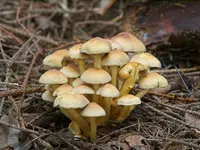
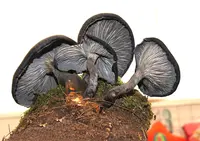
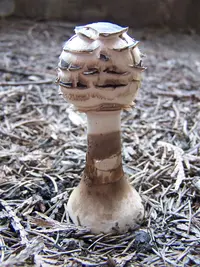
Omphalotus mexicanus is a wood-decaying mushroom, not a typical houseplant, known for its dark fruiting bodies and sometimes faint bioluminescent glow in the gills. It usually appears in clusters on dead or buried wood, especially in forested areas.

This species is native to Mexico and parts of Central America, where it emerges seasonally after rains. It can be challenging to cultivate because it depends on specific woody substrates and natural decay processes rather than standard potting soil.

Understanding how to care for Omphalotus mexicanus is mostly relevant for specialists or mycology enthusiasts, as it is rarely maintained in regular home collections.

Main Plant Requirements

Care Difficulty

Hard Care

Light Preference

Partial Shade

Water Requirements

Regular Water

Temperature Preference

Warm Climate

Hardiness Zone

Unknown

Soil Texture

Loamy, Organic-rich

Soil pH

Acidic (5.5–6.5)

Soil Drainage

Moist but well-drained

Fertilization

Minimal (feed rarely)

Get Personalized Care Plan

Scan your plant to receive care tips personalized for your specific plant

Available on iOS and Android

How to Care for the Omphalotus mexicanus

This fungus prefers shaded woodland conditions with only brief, indirect sun exposure.

  • Provide dappled or filtered light under trees, with 0–2 hours of weak morning sun and no direct afternoon sun to avoid drying the substrate.
  • Site Omphalotus mexicanus on the north or east side of logs, stumps, or buried wood where surrounding vegetation blocks strong light.
  • In summer, increase shade cover if nearby trees are thinned; in winter, reduced day length is acceptable as long as the wood remains moist.

This wood-decaying fungus depends on consistently moist, but not waterlogged, substrate.

  • Maintain the host log or buried wood evenly moist, letting only the outer 1–2 cm of surrounding soil or leaf litter start to dry before rewetting.
  • Pour water slowly so it soaks into the wood and litter, avoiding standing puddles that indicate poor drainage and raise the risk of rot by other organisms.
  • During hot, dry periods, check moisture daily; dull, shriveled caps suggest underwatering, while slimy, foul-smelling substrate suggests chronic overwatering.

This species fruits best in mild to warm conditions with limited temperature extremes.

  • Aim for a growth range of 60–77°F (16–25°C), where mycelium activity and fruiting are most stable in decaying wood.
  • Protect the substrate from frost; temperatures below 32°F (0°C) can damage fruiting bodies even if the mycelium survives short cold spells in the wood.
  • In hot weather above 86°F (30°C), increase shade and moisture around the wood to buffer temperature swings and reduce stress on developing mushrooms.

This species does not have specific humidity needs beyond avoiding extreme dryness during active growth.

  • Aim for 40–60% humidity where possible, especially around colonizing substrate blocks or logs.
  • Watch for slowed mycelium spread, shriveling pins, or brittle surface mycelium as signs of overly dry air.
  • Increase local humidity by tenting the container with breathable plastic or using a nearby tray of water, while keeping surfaces free of condensation drips.

This wood-decaying fungus is usually grown on lignin-rich substrates rather than true soil.

  • Use a mix of hardwood sawdust and wood chips with 10–20% wheat bran or similar supplement for structure and nutrition.
  • Keep the substrate moist but never waterlogged; free drainage through holes or slits is essential to avoid anaerobic, sour conditions.
  • A slightly acidic environment around pH 5.5–6.5 suits Omphalotus mexicanus; avoid liming agents that push pH toward alkaline.
  • Improve aeration by mixing in coarse chips or perforating larger blocks so oxygen can reach the interior mycelium.

This species can be kept in containers when grown on prepared wood-based substrate rather than potting soil.

  • Choose tall, opaque buckets or tubs that allow a deep substrate column while limiting light to the colonizing interior.
  • Drill side fruiting holes above the base level so mushrooms emerge where air moves but excess leachate can still drain from the bottom.
  • Use a rigid container that keeps its shape under the weight of hydrated substrate, preventing internal compaction that restricts air spaces.

This wood-decay fungus is usually grown on nutrient-rich wood and needs minimal additional fertilizer when cultivated.

Pruning is not a standard practice for Omphalotus mexicanus because the visible structures are short-lived mushroom fruiting bodies, not persistent stems or branches.

Cultivated Omphalotus mexicanus is typically managed by renewing its substrate rather than traditional repotting or transplanting.

  • Monitor colonized logs or substrate blocks; when fruiting declines and mycelium looks exhausted or contaminated, plan to refresh the growing medium.
  • In mild seasons, start a new batch by inoculating fresh hardwood logs or sterilized sawdust with healthy spawn from an active culture.
  • Keep handling gentle to limit mycelium disturbance; avoid breaking large colonized sections apart more than necessary.
  • Maintain stable moisture and temperature around the new substrate to help the fungus re-establish and resume growth.

Propagation of this mushroom relies on fungal techniques and is not practical for casual home growers.

Outdoor cultures of this fungus need only basic environmental stability rather than classic winter care used for garden plants.

  • In climates with mild winters, maintain moisture in colonized logs or substrate but avoid waterlogging, which can promote rot and contamination.
  • Where hard freezes occur, keep inoculated logs in a sheltered, unheated space such as a garage to limit repeated freeze–thaw cycles.
  • For container-based cultures, ensure adequate ventilation and moderate humidity to prevent mold overgrowth during cold, slow-growth periods.

Care Tips

Use hardwood blocks

Inoculate well-seasoned hardwood logs or blocks (such as oak) rather than loose chips, as dense wood gives this fungus a more stable, long-lasting substrate and more predictable fruiting over several seasons.

Control light cycles

Provide consistent dark periods and avoid night lighting near the fruiting area, since irregular light exposure can disrupt normal mushroom formation and reduce the characteristic pigmentation.

Manage fresh air

Ensure gentle but regular air exchange around the fruiting site, using a small fan on low and indirect flow if indoors, to prevent carbon dioxide buildup that causes long, misshapen stems and small caps.

Monitor substrate moisture

Check internal substrate moisture by weight instead of surface appearance, lightly misting the environment rather than soaking the wood so the interior stays just damp, not waterlogged, which reduces contamination risk.

Practice strict hygiene

Clean tools, containers, and contact surfaces with 70% isopropyl alcohol before handling spawn or substrate, since strict hygiene is one of the most effective ways to avoid molds and bacteria when caring for Omphalotus mexicanus.

Common Pests and Diseases

Fungivorous beetle larvae

This pest targets the fruiting bodies and mycelial mats, tunneling through the mushroom tissue and accelerating decay. Symptoms include small entry holes, crumbly flesh, and rapid breakdown of caps and stems.

Solution

Remove and dispose of heavily infested fruiting bodies to interrupt the life cycle, and use fine-mesh screening over outdoor cultivation beds or containers to exclude adult beetles. In small setups, manual removal of larvae combined with maintaining slightly drier surface conditions between flushes often reduces damage when growing Omphalotus mexicanus.

Mite infestations

These insects feed on fungal mycelium and developing primordia, causing poor formation, distorted fruiting bodies, and slow colonization of the substrate. Symptoms include patchy, thinned mycelial areas and tiny moving specks on the substrate surface.

Solution

Discard or isolate heavily infested blocks and keep new substrates in clean, filtered conditions. For minor infestations, lower humidity briefly, increase air circulation, and clean surrounding surfaces; in larger or commercial setups, introducing predatory mites compatible with mushroom production can help reduce populations.

Green mold (Trichoderma)

This disease appears as bright white mycelium that quickly turns green and powdery, outcompeting the mushroom mycelium. Symptoms include stalled colonization, strong earthy or musty odors, and green patches on the substrate or at the base of fruiting bodies.

Solution

Immediately remove and dispose of contaminated substrates, and clean growing surfaces, tools, and containers with a 10% bleach solution or 70% alcohol. Improve substrate sterilization or pasteurization, reduce handling, and ensure good air exchange without direct drafts to lower spore buildup and improve Omphalotus mexicanus care.

Bacterial blotch

This disease affects fruiting bodies, producing slimy, wet-looking spots that may turn yellow-brown and cause tissue collapse. Symptoms include a greasy surface appearance and localized soft rot, often starting where water sits on caps.

Solution

Improve air movement and avoid overhead misting that leaves standing water on caps; use fine misting aimed at the surrounding air or walls instead. Remove and discard affected mushrooms, sanitize tools, and maintain humidity in the recommended range without condensation on surfaces.

Competing saprophytic fungi

These organisms colonize the same woody or lignocellulosic substrate, forming foreign mycelium and fruiting bodies that suppress or displace the target mushroom. Symptoms include unexpected mushrooms of other species, off-color mycelial patches, and poor or absent fruiting of the intended crop.

Solution

Start with clean, fully colonized spawn and use well-sterilized or properly pasteurized substrate to reduce initial contamination. Remove and discard any substrates dominated by other fungi, and improve hygiene during inoculation by using clean tools, minimizing open-air exposure, and controlling dust and debris around the growing area.

Interesting Facts

Distinctive green fluorescence

The fruiting bodies show a clear green fluorescence under ultraviolet light, even though this species is not bioluminescent in complete darkness like some other Omphalotus species.

Unusual pigment chemistry

The deep orange to wine-brown cap colors are produced by a complex mix of fungal pigments, including compounds chemically related to those in other jack-o'-lantern mushrooms but with a darker overall spectrum.

Potent gastrointestinal toxin

This mushroom contains illudane-type sesquiterpenes that cause severe gastrointestinal upset when eaten, and it is considered poisonous despite sometimes being mistaken for edible species in its native range.

Botan icon

Did you know?

Omphalotus mexicanus is one of the few gilled mushrooms consistently associated with higher-elevation oak and cloud forests in Mexico and Central America, making it an indicator of relatively undisturbed montane woodland habitats in several parts of its distribution.

FAQs about Omphalotus mexicanus

This species is not edible and is considered highly poisonous. Ingestion can cause severe gastrointestinal distress, including nausea, vomiting, and diarrhea. It must never be collected for food, even if it resembles other edible mushrooms.

Grow Healthy Plants with Botan Care

Keep your plants happy and healthy with plant identification, disease detection, and easy care guidance.

Botan plant care app — identify plants on mobile

Explore More Plants