Dasyscyphella nivea Care

Dasyscyphella nivea

About Dasyscyphella nivea

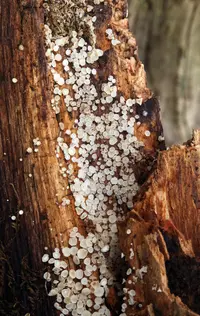
Dasyscyphella nivea is not a typical houseplant but a tiny cup fungus that grows on decaying plant material, especially dead leaves and small twigs. It forms white, fuzzy, pin-head sized cups that cluster together, giving a frosted or cottony appearance.

This species is usually found in cool, temperate forests, often in moist, shaded leaf litter. It plays an important role in breaking down organic matter and recycling nutrients.

For anyone interested in how to care for Dasyscyphella nivea in cultivation, it is important to understand that it prefers consistently moist, cool, shaded conditions and a steady supply of decomposing plant debris rather than traditional potting soil.

Main Plant Requirements

Care Difficulty

Hard Care

Light Preference

Partial Shade

Water Requirements

Keep Soil Moist

Temperature Preference

Cool Climate

Hardiness Zone

Unknown

Soil Texture

Loamy, Silty, Organic-rich

Soil pH

Acidic (5.5–6.5)

Soil Drainage

Moist but well-drained

Fertilization

Minimal (feed rarely)

Get Personalized Care Plan

Scan your plant to receive care tips personalized for your specific plant

Available on iOS and Android

How to Care for the Dasyscyphella nivea

This small saprophytic fungus prefers cool, shaded woodland conditions with only brief sun exposure.

  • Aim for dappled or filtered light under shrubs or trees, with no more than 1–2 hours of weak morning sun and full protection from strong midday and afternoon sun.
  • Site Dasyscyphella nivea on decaying wood or leaf litter in partial to deep shade, mimicking a forest floor with consistently low light levels.
  • In summer, guard against canopy gaps that create direct sun, which can dry out substrates; in winter, reduced sunlight is acceptable if moisture remains stable.

This fungus requires consistently moist, never waterlogged, decaying organic material to fruit well.

  • Keep the substrate (rotting twigs, branches, or leaf litter) evenly damp, allowing only the top 1–2 cm to begin drying before gently re-moistening.
  • Use soft, low-pressure watering or misting so the tiny fruiting bodies are not dislodged, and ensure excess water can drain away to prevent stagnant, anaerobic conditions.
  • In warm, windy, or low-humidity periods, check moisture daily; dull, shriveling cups signal drying, while foul odor or slimy growth indicates overwatering and poor aeration.

This species thrives in cool, humid conditions typical of shaded temperate woodlands.

  • Aim for an active growth range around 45–65°F (7–18°C), where fruiting bodies develop best on damp, decaying wood or litter.
  • The fungus tolerates brief drops near 32°F (0°C), but repeated hard freezes or frozen substrates can halt or damage fruiting structures.
  • In hot spells above 75°F (24°C), shade and high humidity are crucial; prolonged heat over 85°F (29°C) with dry air quickly desiccates the substrate and reduces activity.

This species is a tiny saprophytic fungus on decaying plant material, so humidity matters mainly for fruiting rather than survival.

  • Aim for consistently moist air around 70–90% when trying to observe fruiting bodies in culture or terrarium setups.
  • Expect slower or absent fruiting in very dry air below about 50%, and watch for shriveling or failure of the small cup structures to expand.
  • Increase local humidity by covering the substrate with a ventilated clear lid or placing dishes on a shallow water tray without flooding the material.

Dasyscyphella nivea develops on rotting herbaceous stems, so the key is a loose, organic substrate that mimics decomposing plant litter.

  • Use a fine, fibrous mix of shredded leaves, decayed stems, and a little peat or coco coir to imitate soft woodland litter.
  • Keep the substrate loose and airy; avoid compacted or sticky mineral soil that traps water and restricts oxygen around the fungal hyphae.
  • Maintain even moisture with fast drainage so the material is damp but not waterlogged, preventing anaerobic (low-oxygen) conditions that limit growth.
  • A slightly acidic to neutral reaction around pH 5.5–7 suits most decomposer fungi and can be approximated with leaf mold plus a small amount of untreated wood chips.

This species can be observed in containers only as a niche culture on dead plant material, not as a conventional potted plant.

  • Use a shallow, wide container so the thin layer of dead stems or litter is easy to inspect and does not compress under its own weight.
  • Choose clear plastic or glass to allow side viewing of condensation patterns, which helps fine‑tune lid opening to avoid both drying and stagnation.
  • Drill or leave small ventilation gaps near the rim so humid air can exchange slowly, reducing mold overgrowth from less desirable fungi on the same substrate.

This fungus usually grows on decaying plant material and does not need supplemental feeding in cultivation.

Pruning is not a standard practice for Dasyscyphella nivea, as it is a small saprophytic fungus living on dead twigs and plant litter.

Transplanting is rarely applicable because this species is typically observed in situ on natural woody debris rather than in containers.

  • If moving colonized wood, transfer it with minimal disturbance to the surrounding bark and substrate.
  • Avoid scraping or breaking the host twig, since the fungal tissues are embedded in the surface layers.
  • Place the material in a similarly cool, shaded, and humid microhabitat to maintain growth.
  • Do not expect long-term establishment in standard potting mixes, which lack suitable woody substrate.

Intentional propagation of Dasyscyphella nivea is uncommon and technically demanding, usually limited to laboratory or specialist work.

No special winter care is needed, as this temperate saprophytic fungus tolerates normal outdoor seasonal changes when left on its natural substrate.

Care Tips

Substrate turnover

Gently turn or fluff the top 0.5–1 cm of the woody substrate every few weeks to reduce compaction, improve aeration around the fruiting bodies, and limit surface mold that can overrun the colonies.

Controlled moisture pulse

Instead of keeping the substrate uniformly damp, allow it to approach the dry side, then apply a brief, even misting to trigger new fruiting flushes while reducing the risk of bacterial film formation on the surface.

Targeted contamination check

Inspect the substrate closely with a hand lens every 1–2 weeks and promptly remove any patches showing distinctly different colored molds or slimy growth to prevent these faster-growing competitors from outcompeting the colonies.

Airflow without drafts

Use a small fan set on low and directed away from the culture to create gentle air movement that limits stagnant, humid pockets without causing direct drafts that could desiccate the delicate cup structures.

Dedicated culture container

Keep the fungus in a separate, easy-to-clean tray or terrarium with a removable lid so that caring for Dasyscyphella nivea does not spread spores or substrate fragments into nearby plant pots or living areas.

Common Pests and Diseases

sap-feeding mites

This pest feeds on fungal tissues and can thin or distort the tiny cup-like fruiting bodies on decaying wood. Symptoms include dulling or collapse of the white hairs and reduced spore production.

Solution

Limit collection and handling of colonized wood, since disturbance favors mite spread, and keep stored specimens in fine-mesh insect-proof containers. If monitoring research cultures, isolate infested pieces, chill or freeze them briefly to reduce mite numbers, and discard heavily damaged substrates rather than trying to rescue them.

springtails

These insects are common on very damp, decaying wood where this fungus grows and can graze on young fruiting structures, especially in enclosed or terrarium-like setups. Symptoms include uneven development or disappearance of fresh cups and visible tiny jumping insects on the substrate surface.

Solution

Reduce constant saturation by allowing the substrate surface to dry slightly between misting and improve air exchange if the wood is being kept in a closed container. Physically tap or rinse springtails off into a separate container and, for long-term observation, move small uncontaminated wood fragments to a clean box with slightly drier, still humid, conditions to grow Dasyscyphella nivea successfully.

fungal overgrowth (competitor molds)

This disease involves faster-growing molds or other fungi overgrowing the wood surface and smothering the delicate cups. Symptoms include patches of green, gray, or dark mold that cover or replace the fine white hairs and cups.

Solution

Select relatively clean, not heavily moldy wood when collecting, and avoid storing it in tightly sealed, stagnant containers. If overgrowth appears on a study or display piece, gently scrape or cut away heavily covered areas, increase airflow, and lower moisture slightly so the competitor mold declines while the original fungus on less affected parts can continue fruiting.

bacterial soft decay on substrate

This disease affects the underlying wood or plant debris rather than the fungus directly, turning it slimy and foul-smelling. Symptoms include wet, collapsing substrate that no longer supports normal cup formation and may show greasy patches or anoxic (low-oxygen) conditions at the surface.

Solution

Avoid keeping substrate waterlogged; aim for moist but not submerged conditions if the wood is being kept for observation or cultivation. Remove and discard any soft, foul-smelling sections and shift remaining material to a fresh, well-drained container so the fungus can recolonize firmer wood rather than rotting sludge.

Interesting Facts

Snow-white cup fungus

This species forms tiny white cup-shaped fruiting bodies, often less than 1–2 mm across, which are densely hairy on the outside and resemble miniature snow-lined goblets on dead plant material.

Specialist on nettle stems

It is strongly associated with dead, decaying stems of stinging nettle (Urtica dioica) in temperate regions, where it helps break down the tough, lignified tissues of last year’s canes.

Cold-season fruiting

The fruiting bodies often appear during the cool, damp months from late autumn to early spring in Europe, taking advantage of high moisture and reduced competition from other fungi.

FAQs about Dasyscyphella nivea

This species is not grown or collected as food and is generally regarded as inedible. It is very small, lacks substantial flesh, and has no culinary tradition. It should be observed rather than harvested for eating.

Grow Healthy Plants with Botan Care

Keep your plants happy and healthy with plant identification, disease detection, and easy care guidance.

Botan plant care app — identify plants on mobile

Explore More Plants