Galerina patagonica Care

Galerina patagonica

About Galerina patagonica

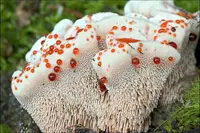
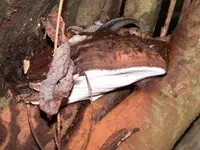
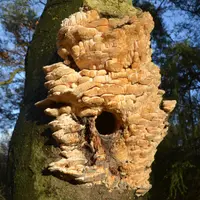
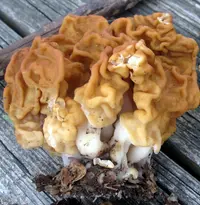
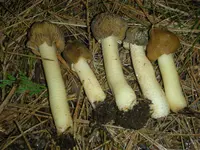
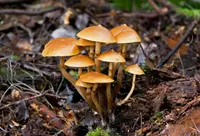
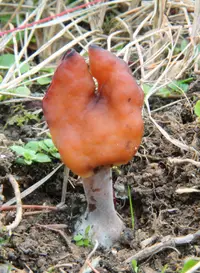
Galerina patagonica is a small, wood-inhabiting mushroom, not a typical houseplant. It forms clusters of brown to yellowish caps on decaying wood, often in damp, shaded forest habitats. The caps are usually smooth and moist-looking, with slender, fragile stems.

This species occurs mainly in cool, temperate regions of the Southern Hemisphere, especially in South America, where it helps decompose dead wood. It prefers consistently moist conditions and organic, decaying substrates rather than soil, which makes it challenging to manage in cultivation. For anyone attempting to care for Galerina patagonica, its need for stable humidity, clean substrate, and cool temperatures makes it better suited to experienced fungal growers than casual plant owners.

Main Plant Requirements

Care Difficulty

Moderate Care

Light Preference

Partial Shade

Water Requirements

Keep Soil Moist

Temperature Preference

Cool Climate

Hardiness Zone

Unknown

Soil Texture

Loamy, Organic-rich

Soil pH

Acidic (5.5–6.5)

Soil Drainage

Moist but well-drained

Fertilization

Minimal (feed rarely)

Get Personalized Care Plan

Scan your plant to receive care tips personalized for your specific plant

Available on iOS and Android

How to Care for the Galerina patagonica

This wood-inhabiting fungus prefers cool, shaded forest conditions with only brief indirect light exposure.

  • Provide dappled or filtered light under shrubs, logs, or tree canopies, with no more than 1–2 hours of weak morning sun and no direct afternoon sun.
  • Choose a site that mimics a moist forest floor, such as north or east-facing aspects where Galerina patagonica is shielded from intense, drying light.
  • Watch caps and substrates for drying or bleaching; pale, brittle tissue indicates too much sun, while thin, elongated stems suggest insufficient light.

Moist, consistently damp substrate is essential, since this fungus naturally colonizes wet, decaying wood or very organic soil.

  • Aim for substrate that stays evenly moist but not waterlogged; the surface may feel slightly wet, but standing water around logs or wood pieces should drain within 1–2 hours.
  • Increase moisture during warm, dry periods by misting the surrounding wood and leaf litter when the top 1–2 cm feel dry, focusing on the habitat rather than direct cap soaking.
  • Reduce heavy watering in cool seasons to avoid anaerobic, sour-smelling wood, which signals prolonged saturation and poor air exchange that can limit fruiting.

This species is adapted to cool, temperate climates and fruits best in mild, moist conditions.

  • Target 50–65°F (10–18°C) for optimal activity, conditions commonly found in shaded woodland during spring and autumn.
  • Expect reduced growth below about 40°F (4°C); light frosts can damage fruiting bodies, though underlying mycelium in protected wood may survive brief cold snaps.
  • Avoid prolonged exposure above 75°F (24°C), as sustained heat and drying winds can desiccate wood, shorten fruiting periods, and limit future mushroom formation.

Humidity is not a practical care factor for Galerina patagonica, which should not be cultivated intentionally due to its high toxicity.

Soil preparation guidance is not recommended because Galerina patagonica is a highly toxic fungus and should not be purposefully cultivated.

  • Avoid attempting to create nutrient-rich, moist substrates that could favor this species, especially in gardens or near play areas.
  • Discourage its growth by promptly removing heavily decaying wood and dense organic debris where fruiting bodies appear.
  • Consult local mycology or extension services for safe identification and removal methods if suspicious mushrooms emerge in soil or mulch.

This species is not suitable for container growing and should not be cultivated intentionally due to serious toxicity risks.

This wild saprophytic fungus typically gains all required nutrients from decaying wood and soil and should not be fertilized in cultivation.

As a small, short-lived mushroom, Galerina patagonica does not benefit from horticultural pruning.

This species is not suited to standard pot culture and is best left on natural decaying wood or outdoor substrates.

  • Avoid moving fruiting clusters; transplanting usually disrupts the fungal mycelium hidden in the wood.
  • If relocation is essential, move the entire colonized log or wood piece rather than disturbing the fungal tissue.
  • Keep the substrate consistently moist after any move to limit stress to the underlying mycelium.
  • Place wood in a shaded, cool area that mimics the original site conditions as closely as possible.

Propagation of this wild wood-inhabiting fungus is specialized and not typically attempted in home settings.

In its natural range this fungus is fully adapted to seasonal conditions and needs no dedicated winter care in gardens or landscapes.

Care Tips

Use clean substrate

Prepare a pasteurized wood-based substrate by heating moist sawdust or wood chips to 160–170°F for 1 hour to reduce competing fungi before introducing spawn.

Limit direct handling

Handle the mycelium and fruiting bodies with clean gloves or tools to avoid introducing bacteria or mold spores that can quickly overtake small colonies.

Control competitor fungi

Regularly inspect the substrate and remove sections showing obvious contamination by green, black, or pink molds, discarding them in sealed bags to prevent spread.

Manage fruiting cycles

After each flush of mushrooms, allow the substrate to rest slightly drier and cooler for several days, then rehydrate gently to stimulate another fruiting cycle when growing Galerina patagonica.

Secure culture source

Obtain spawn or cultures only from documented mycological sources and clearly label all containers with species name and date to avoid confusion with edible species, as this genus contains deadly toxins.

Common Pests and Diseases

Fungus gnat larvae

This pest is attracted to the constantly moist, decaying wood and organic matter used to cultivate this saprophytic fungus. Larvae feed in the substrate and can disturb mycelial growth, leading to patchy or weakened fruiting bodies.

Solution

Reduce breeding sites by improving drainage in the growing container, avoiding stagnant water, and periodically allowing the surface of the substrate to dry slightly between heavy soakings while still keeping internal moisture adequate for fruiting. Use fine mesh or sticky traps around culture containers and, if needed, apply a targeted biological control such as Bacillus thuringiensis israelensis (Bti) to the substrate according to label directions.

Mite infestation

These insects, often saprophytic mites, thrive on moist, decaying substrates and may graze on mycelium or developing caps, causing deformed or stunted mushrooms. Symptoms include tiny moving specks on the substrate and damaged or pitted fruiting surfaces.

Solution

Limit mite access by keeping culture areas clean, covering containers with breathable but fine mesh, and removing heavily infested blocks or wood pieces. In small setups, physically rinse or brush mites from containers and tools, and isolate affected cultures to prevent spread to healthy Galerina patagonica colonies.

Green mold contamination

This disease, commonly caused by Trichoderma species, competes aggressively with the fungus on wood or prepared substrates, appearing as dense white growth that rapidly turns bright to dark green. Symptoms include stalled or completely suppressed fruiting and rapid takeover of inoculated material.

Solution

Remove and discard heavily contaminated substrates, tools, and any nearby loose debris, since spores spread easily. For future cultures, use properly pasteurized or sterilized substrate, work with clean tools, and lower excess humidity condensation on surfaces to reduce favorable conditions for Trichoderma overgrowth when following Galerina patagonica care instructions.

Interesting Facts

Southern beech specialist

This species is strongly associated with Nothofagus (southern beech) forests in southern South America, where it fruits on decaying wood and plays a role in breaking down lignin and cellulose in cool, wet habitats.

Toxic look‑alike group

It belongs to a genus that includes lethal amatoxin-containing species, and its small brown caps and ringed stems closely resemble other dangerous Galerina, making wild identification by non-specialists unsafe.

Cold-season fruiting

In its native range it typically fruits during the colder months, with basidiomes appearing in cool, moist conditions on well-decayed logs, stumps, and buried woody debris.

FAQs about Galerina patagonica

This small brown mushroom is considered dangerously poisonous and must never be eaten. It can contain amatoxins, the same liver-damaging compounds found in death caps. Identification is difficult, so any similar-looking wild mushrooms should be strictly avoided.

Grow Healthy Plants with Botan Care

Keep your plants happy and healthy with plant identification, disease detection, and easy care guidance.

Botan plant care app — identify plants on mobile

Explore More Plants