Sarcodontia pachyodon Care

Sarcodontia pachyodon

About Sarcodontia pachyodon

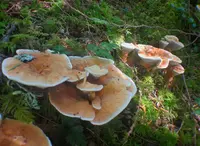
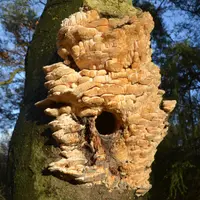
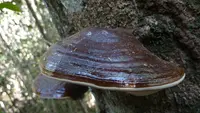
Sarcodontia pachyodon is a wood-decaying fungus, not a leafy houseplant. It forms soft, cushion-like masses covered with dense hanging spines, giving it a tooth-like appearance. Colors range from pale cream to yellowish tones as it matures.

This species typically grows on old or decaying hardwoods in temperate forests, especially in Europe, and is sometimes found on orchard trees. It is not commonly cultivated, so how to care for Sarcodontia pachyodon is mostly relevant to specialists managing deadwood habitats rather than home growers.

It prefers consistently damp, shaded conditions and well-rotted wood as its substrate, which makes it challenging to maintain in typical indoor or garden settings.

Main Plant Requirements

Care Difficulty

Hard Care

Light Preference

Shade

Water Requirements

Keep Soil Moist

Temperature Preference

Cool Climate

Hardiness Zone

Unknown

Soil Texture

Organic-rich, Loamy

Soil pH

Acidic (5.5–6.5)

Soil Drainage

Moist but well-drained

Fertilization

Minimal (feed rarely)

Get Personalized Care Plan

Scan your plant to receive care tips personalized for your specific plant

Available on iOS and Android

How to Care for the Sarcodontia pachyodon

This wood-inhabiting fungus prefers cool, shaded woodland light conditions rather than direct sun exposure.

  • Provide bright, indirect light or dappled shade, with at most 1–2 hours of weak morning sun and no harsh midday or afternoon sun.
  • Allow 6–10 hours of open shade or forest-type filtered light; Sarcodontia pachyodon often fruits on the shaded side of trunks or under canopy cover.
  • Too much direct sun dries the substrate and fruiting bodies, while very deep shade can reduce fruiting; adjust exposure seasonally as tree canopies thin or fill in.

Moisture management focuses on keeping the host wood and surrounding environment evenly damp but not waterlogged.

  • Maintain consistently moist but not saturated conditions; the supporting wood or substrate should feel damp to the touch, never soggy or cracked-dry.
  • Allow the surface of any supplemental substrate to lose surface sheen before re-moistening, increasing misting or irrigation frequency during warm, drying weather.
  • Reduce supplemental moisture in cool seasons to avoid standing water and fungal rot; overwatering shows as slimy, discolored tissue, while underwatering leads to shriveled, brittle structures.

This species favors cool to mild conditions typical of temperate forests and reacts poorly to temperature extremes.

  • Aim for an optimal range of 50–68°F (10–20°C), which supports steady mycelial growth and reliable fruiting on host wood.
  • Tolerate brief drops to around 32°F (0°C), but repeated hard frosts or freezes below this can damage fruiting bodies and slow or halt development.
  • Limit exposure above 77–82°F (25–28°C); sustained heat combined with dry air leads to desiccation, so provide shade and higher humidity during hot, dry periods.

This wood-decaying fungus is not typically grown in cultivation, and humidity is not a primary managed factor for home growers.

This species is a saprophytic wood fungus and is not realistically grown in standard garden or potting soil.

  • In nature it fruits on dead or decaying hardwood, so attempts at cultivation focus on prepared wood substrates, not mineral soil.
  • A typical substrate would be freshly cut or pasteurized hardwood logs or blocks with a moisture-retentive yet airy structure.
  • Any experimental substrate should drain freely while staying evenly moist, avoiding waterlogged conditions that exclude oxygen and promote bacterial rot.
  • Do not attempt to grow it in dense garden soil, peat-heavy potting mixes, or compacted substrates, which prevent proper gas exchange around the mycelium.

This species is not practically suited to conventional container growing for home or ornamental use.

This wood-inhabiting fungus gains nutrients from its host and typically does not require added fertilizer in garden or woodland settings.

This fungus needs no true pruning, but fruiting bodies and colonized wood can be tidied for safety or appearance when needed.

  • Remove only dead, crumbling fruiting bodies and unsafe, heavily decayed wood during dry weather to limit spore spread.
  • Use a sharp pruning saw or loppers to cut back structurally unsound limbs colonized by Sarcodontia pachyodon on landscape trees.
  • Discard removed material with household waste, not compost, to avoid unintentional spread to other suitable hosts.
  • Limit intervention to situations where decay threatens structures, paths, or nearby valuable trees.

As a wood-decaying fungus, this species is not managed through normal repotting but instead through host selection and site hygiene.

  • Treat any move as transplanting infected wood rather than moving a conventional plant in a container.
  • Avoid shifting colonized logs or boards into new areas, since this can introduce the fungus to uninfected trees or structures.
  • If removal is necessary, cut out and dispose of infected wood, then replace with sound, dry material to reduce reinfection risk.
  • Time such work for dry weather in cooler seasons to minimize spore dispersal and stress on nearby trees.

Propagation for home culture is uncommon and best left to experienced mycologists because this is a specialized wood-decaying fungus.

This temperate fungus is naturally cold hardy and typically needs no deliberate winter care in outdoor settings.

  • Colonized logs and branches can remain outdoors year-round, as freezing temperatures do not usually damage the mycelium.
  • In managed landscapes, inspect decayed trees before winter storms and remove hazardous limbs that might fail under snow or ice loads.
  • Avoid moving infected wood into sheds, garages, or stacked firewood near buildings to limit structural decay risks.

Care Tips

Use hardwood hosts

In cultivation, inoculate only hard, undecayed logs or blocks of broadleaf wood such as beech, oak, or maple, as softer or already-rotted wood breaks down too fast to support good fruiting.

Control log moisture

Keep colonized logs shaded and off bare soil on bricks or rails so they stay evenly moist but not waterlogged, and lightly hose them during dry spells to prevent the mycelium from desiccating.

Provide stable airflow

When fruiting in a sheltered space, maintain gentle, continuous air movement around the wood to prevent carbon dioxide buildup, which can cause elongated, misshapen teeth and reduced spore production.

Encourage clean colonization

Drill and plug-inoculate fresh-cut wood within a few weeks of felling, then seal holes and log ends with cheese wax to reduce contamination from competing fungi and improve the chances of the culture establishing well.

Monitor for competitors

Check the wood regularly for other bracket or crust fungi, removing and discarding any obviously competing fruiting bodies so the existing mycelium has the best chance to continue growing Sarcodontia pachyodon on the same substrate.

Common Pests and Diseases

Competing wood-decay fungi

Symptoms include reduced or patchy fruiting, distorted teeth, and discolored or thinning spines where other fungi colonize the same log or trunk. This problem often appears when the substrate is already occupied by aggressive decay species like Trametes or Stereum.

Solution

Remove and discard heavily overgrown sections of wood and, if cultivating, re-establish the fungus on fresh, clean hardwood that is not colonized by other species. Maintain good airflow and avoid leaving inoculated wood in constant contact with soil or decaying plant piles, which increases competition and complicates Sarcodontia pachyodon care instructions.

Bark-boring beetle damage

This pest creates galleries under bark and in outer sapwood, which can dry and destabilize the substrate needed for fruiting. Symptoms include fine sawdust, exit holes, and localized collapse or drying where fruiting bodies previously appeared.

Solution

Cut out and discard heavily tunneled sections of wood, then store remaining inoculated pieces in a cool, shaded, and slightly moist but not waterlogged location to discourage beetles. If outdoors, elevate logs off the ground and use physical barriers like fine mesh or netting during peak beetle flight periods to reduce new infestations.

Wood-dwelling mites

These insects feed on fungal tissue and spores, leading to patchy, eroded teeth and a dull, dusty surface on the fruiting body. This pest is more common in very humid, stagnant conditions with accumulated organic debris on the wood surface.

Solution

Brush the surface gently with a soft, dry brush to remove mites and loose debris, then improve ventilation and avoid prolonged saturation of the substrate. If infestation persists, temporarily move the colonized wood to a drier, cooler, well-ventilated area and reduce direct contact with soil and leaf litter.

Bacterial soft rot

This disease causes localized watery, slimy patches and rapid collapse of the spines and adjacent tissue, often with an unpleasant odor. Symptoms include translucent, mushy zones on an otherwise firm fruiting body, usually after prolonged wetting or handling damage.

Solution

Cut away and discard affected portions, taking some healthy tissue around the rot margin, and avoid touching healthy areas with contaminated tools or hands. Reduce overhead wetting, increase airflow, and allow surfaces to dry between rains or misting to limit further bacterial spread.

Fruiting body desiccation

This physiological disorder occurs when fruiting bodies dry too rapidly, leading to brittle, discolored teeth and reduced spore production. Symptoms include cracking, toughening, and premature shriveling on exposed areas, especially in strong sun and wind.

Solution

Provide shade from direct sun and moderate wind, and if cultivated, maintain a stable, moderate humidity around the colonized wood without constant wetting. Brief, gentle misting of the surrounding environment (not prolonged soaking of the fungus itself) can help slow drying while still allowing good air movement.

Interesting Facts

Toothed crust fungus

This species forms a resupinate, crust-like fruiting body that lies flat on wood but carries dense, downward-pointing spines instead of typical gills or pores, which is why it is called a tooth fungus.

Strong toothlike spines

Its spines are relatively long, often forming conspicuous, hanging teeth that can merge into soft, cushiony masses on the underside of infected wood.

Specialist on apple wood

It is most frequently recorded on old apple trees and other members of the Rosaceae, where it causes a white rot that breaks down both lignin and cellulose in the wood.

Botan icon

Did you know?

In several European countries this fungus is considered rare and red-listed, largely because the traditional orchards and old host trees it depends on have declined.

FAQs about Sarcodontia pachyodon

This tooth fungus is not considered a choice edible and is generally regarded as inedible due to its tough texture and unappealing taste. It should not be collected as food, especially when growing on contaminated or treated wood.

Grow Healthy Plants with Botan Care

Keep your plants happy and healthy with plant identification, disease detection, and easy care guidance.

Botan plant care app — identify plants on mobile

Explore More Plants