Western Deer Mushroom Care (Pluteus exilis)

Western Deer Mushroom

About Western Deer Mushroom

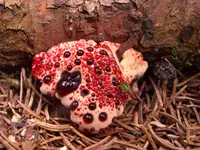
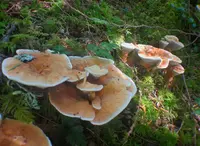
Western deer mushroom, Pluteus exilis, is a small saprotrophic fungus that grows on decaying wood, especially well-rotted conifer logs and stumps. It is not a plant but is often grouped with plants in care apps for convenience.

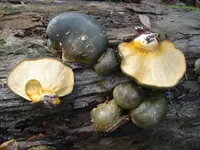
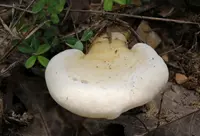
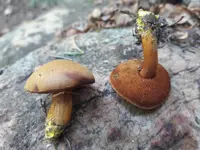
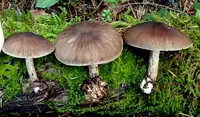
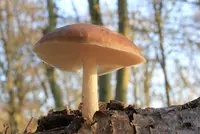
The cap is usually brown to tan with a delicate, sometimes slightly translucent look, and the gills turn pinkish as the spores mature. It appears singly or in small groups in moist forests, mainly along the Pacific Coast of North America.

Because Pluteus exilis depends on specific dead-wood substrates and consistent humidity, it is challenging to cultivate at home. Most guides on how to care for Western Deer Mushroom focus on maintaining stable moisture and access to suitable decaying wood rather than traditional soil-based culture.

Main Plant Requirements

Care Difficulty

Hard Care

Light Preference

Shade

Water Requirements

Keep Soil Moist

Temperature Preference

Cool Climate

Hardiness Zone

Unknown

Soil Texture

Loamy, Silty, Organic-rich

Soil pH

Strongly acidic (4.5–5.5), Acidic (5.5–6.5)

Soil Drainage

Moist but well-drained

Fertilization

Minimal (feed rarely)

Get Personalized Care Plan

Scan your plant to receive care tips personalized for your specific plant

Available on iOS and Android

How to Care for the Western Deer Mushroom

This wood-decaying mushroom prefers low to moderate light similar to a shaded forest floor.

  • Provide dappled or filtered light with 1–3 hours of weak morning sun and shade the rest of the day to prevent drying of the substrate.
  • Allow bright shade or light under shrubs, logs, or leaf litter; avoid direct midday and afternoon sun, which can overheat and desiccate developing caps.
  • In summer, increase shading or move to deeper shade; in cooler seasons, Western Deer Mushroom can tolerate slightly brighter but still indirect light.

Moist, not waterlogged, conditions support healthy fruiting of Pluteus exilis.

  • Keep the substrate consistently moist like a wrung-out sponge; surface should never fully dry but should not show pooling water.
  • Use well-draining, organic-rich material (rotting wood, leaf litter, or wood chips) so excess water can drain away and reduce the risk of sour, anaerobic conditions.
  • In warm, windy periods, monitor more often for drying edges or cracking caps, while in cool, wet seasons protect beds from standing water and foul odor.

This species fruits best in cool to mild conditions typical of shaded woodland habitats.

  • Aim for 55–70°F (13–21°C) for active growth and fruiting, with the most reliable flushes often around 60–65°F (16–18°C).
  • Avoid frost; temperatures below 32°F (0°C) can damage mycelium near the surface and halt fruiting until conditions warm again.
  • Protect from hot, dry spells above 80°F (27°C) by deep shade and moisture retention, since prolonged heat and dryness can cause aborting or misshapen caps.

This wood-decaying mushroom does not rely on household air humidity but needs consistently moist substrate to fruit well.

  • Maintain 70–90% humidity immediately around the substrate using a tented or lidded container with air gaps, not by misting room air.
  • Dry air is tolerated if the substrate stays evenly moist; caps crack and edges curl when humidity at the surface drops too low.
  • Increase local humidity by placing the inoculated wood or sawdust in a perforated plastic box or tub with a damp, but not wet, liner.

Pluteus exilis naturally fruits on decaying wood, so substrate choice should mimic loose, well-aerated, woody forest litter rather than mineral soil.

  • Use finely chipped hardwood, hardwood sawdust, or a hardwood-based mushroom block mixed with 10–20% well-matured compost for nutrients.
  • Keep the substrate loose and airy; avoid compacted mixes, heavy clay, or dense peat that reduce oxygen and slow mycelium growth.
  • Ensure excess water drains away freely; the substrate should be moist but never waterlogged, or mycelium may stall and competing fungi may dominate.
  • Aim for slightly acidic to neutral conditions around pH 5.5–7.0, which suits Pluteus exilis on decomposing hardwood material.

This species can be maintained in containers primarily as a substrate culture rather than a decorative potted specimen.

  • Choose a wide, shallow tote or box so the woody substrate layer stays 8–15 cm deep, which encourages more even fruiting across the surface.
  • Drill multiple side and lid holes to balance gas exchange with moisture retention instead of relying only on bottom drainage.
  • Raise the container on spacers or a rack so any leached water can escape freely and the base does not stay in constant contact with runoff.

Pluteus exilis, a saprophytic woodland mushroom, gains nutrients from decaying wood and normally needs no additional fertilizer.

Pruning is not part of normal care for Pluteus exilis, since mushroom fruiting bodies are temporary and do not benefit from shaping.

Western Deer Mushroom is usually left in situ on its decaying wood substrate, so repotting or transplanting is rarely appropriate.

  • Transplant only for scientific or cultivation purposes, moving colonized wood rather than individual mushrooms.
  • Act in cool, moist weather to reduce mycelium stress and drying of the substrate.
  • Shift the entire log or wood block intact, avoiding disturbance or crumbling of colonized areas.
  • Recreate similar conditions at the new site: shaded position, stable moisture, and the same type of wood.

Propagation of Pluteus exilis is specialized work and is generally done only by experienced mushroom growers or researchers.

  • Use spore prints or tissue culture onto sterile agar as primary propagation methods.
  • Work in late spring to early fall when ambient temperatures support mycelial growth.
  • Maintain sterile conditions to avoid contamination from competing fungi and bacteria.
  • After colonization on grain or plugs, transfer into suitable hardwood substrates under cool, humid conditions.

Pluteus exilis mycelium in decaying wood is naturally cold hardy in most temperate climates and usually needs no specific winter care.

Care Tips

Sterile Substrate Prep

Before inoculation, pressure-cook or steam-sterilize hardwood sawdust or finely chipped hardwood for 60–90 minutes to reduce competing fungi and bacteria, which greatly improves success when growing Western Deer Mushroom.

Clean Inoculation Zone

Carry out inoculation on a wiped-down surface using 70% isopropyl alcohol on tools and gloves, and minimize air movement to reduce contamination from airborne spores and dust.

Controlled Fresh Air

Provide gentle, indirect fresh air exchange 2–4 times per day during fruiting by slightly opening vents or lids, avoiding strong drafts that dry the substrate but preventing carbon dioxide buildup that causes long, thin stems.

Targeted Misting Practice

Mist the fruiting chamber walls and air lightly instead of spraying caps or gills directly, so humidity stays high without causing waterlogging or bacterial spotting on developing mushrooms.

Harvest At Prime Stage

Cut mushrooms at the base when caps have expanded but before edges flatten fully, using a clean blade, then remove any remaining stubs to reduce decay and encourage a second flush from the same substrate.

Common Pests and Diseases

Mycophagous springtails

These insects feed on fungal mycelium and developing fruiting bodies, sometimes scarring or deforming caps and gills. This pest is most common in consistently damp cultivation containers or propagation trays.

Solution

Reduce excess surface moisture by improving ventilation and allowing the substrate top layer to dry slightly between misting, then remove heavily damaged mushrooms. If populations stay high, use sticky traps around the grow area and, in enclosed setups, consider introducing predatory mites formulated for fungus gnat and springtail control, following Pluteus exilis care instructions to keep humidity within a safe range for the fungus while discouraging the insects.

Fungus gnat larvae

This pest lives in moist substrate and feeds on tender mycelium and pinning mushrooms, sometimes causing aborted or stunted fruiting bodies. Symptoms include thinning or patchy mycelial growth and small black adult gnats flying around trays or containers.

Solution

Allow the top 0.5–1 cm of substrate or casing layer to dry slightly, use yellow sticky traps to catch adults, and cover vents with fine mesh to limit new infestations. In persistent cases, apply a biological control containing Bacillus thuringiensis israelensis (Bti) to the substrate surface according to label directions, which targets larvae without harming the mushroom.

Green Trichoderma mold

This disease appears as fast-spreading white mycelium that quickly turns bright to dark green, often outcompeting the mushroom mycelium. Symptoms include stalled mushroom growth and patches of green spores on the substrate surface.

Solution

Isolate and remove all contaminated blocks or trays before spores spread, and discard them in sealed bags. Clean the growing area with a disinfectant, avoid reusing contaminated tools or containers, and in future runs tighten hygiene, substrate pasteurization or sterilization, and fresh air exchange to reduce the chance of Trichoderma colonization.

Bacterial blotch

This disease causes greasy, slimy, or yellow-brown spotting and patches on caps, especially under very high humidity and poor air movement. Symptoms include soft, water-soaked areas that may smell unpleasant and make mushrooms unmarketable.

Solution

Increase fresh air exchange and reduce surface wetness by using finer misting and allowing caps to dry between humidity cycles. Remove and discard affected mushrooms, sanitize tools and surfaces, and avoid overhead water droplets that sit on caps for long periods.

Competing cobweb mold

This disease shows as very fine, grey-white, cobweb-like growth that spreads rapidly across the casing or substrate and can smother developing mushrooms. Symptoms include a dull, webbed surface and reduced or distorted fruiting.

Solution

At early signs, lower humidity slightly and increase fresh air exchange, then spot-treat affected areas with a light spray of 3% hydrogen peroxide diluted 1:3 with clean water, avoiding direct soaking of healthy mycelium. If the mold has spread widely, discard the entire block or tray, clean the grow area thoroughly, and improve hygiene and air movement in future cycles.

Interesting Facts

Distinctive deer host

This fungus is strongly associated with deer dung and very rotted, manure-rich wood, which is why it is commonly called the Western deer mushroom in its core range.

Western coastal distribution

It is primarily recorded from coastal and near-coastal forests of western North America, especially in the Pacific Northwest, and is rarely reported outside this region.

Microscopic identification features

Accurate identification relies on microscopic traits such as smooth, pinkish spores and characteristic cystidia (specialized sterile cells) on the gill edges and faces, which separate it from similar small Pluteus species.

FAQs about Western Deer Mushroom

This small woodland mushroom is considered inedible. It lacks culinary value and may be confused with more dangerous look-alikes. It should not be harvested for food and is best left in its natural habitat.

Grow Healthy Plants with Botan Care

Keep your plants happy and healthy with plant identification, disease detection, and easy care guidance.

Botan plant care app — identify plants on mobile

Explore More Plants