Mealy tooth Care (Hydnellum ferrugineum)

Mealy tooth

About Mealy tooth

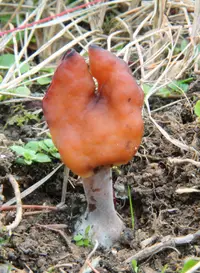
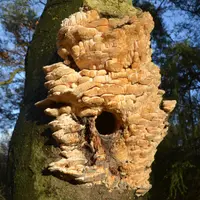
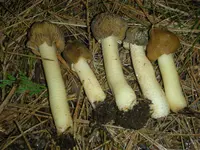
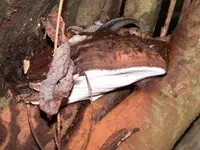
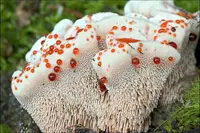
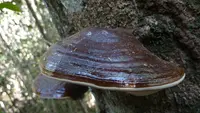
Mealy tooth (Hydnellum ferrugineum) is a tooth fungus, not a typical leafy plant. It forms thick, irregular caps with spiny undersides instead of gills. The surface often shows rusty brown patches and can exude reddish droplets, giving it a distinct, sometimes striking appearance on the forest floor.

This species occurs mainly in coniferous forests of northern and central Europe and parts of North America, usually in mossy, acidic soils. It grows slowly and depends on a stable, undisturbed woodland habitat, which makes it challenging to cultivate and care for Mealy tooth in gardens or containers.

It generally prefers cool, moist, shaded conditions and nutrient-poor, well-drained, acidic soil rich in organic matter.

Main Plant Requirements

Care Difficulty

Hard Care

Light Preference

Shade

Water Requirements

Keep Soil Moist

Temperature Preference

Cool Climate

Hardiness Zone

4–8

Soil Texture

Loamy, Sandy, Organic-rich

Soil pH

Strongly acidic (4.5–5.5), Acidic (5.5–6.5)

Soil Drainage

Moist but well-drained

Fertilization

Minimal (feed rarely)

Get Personalized Care Plan

Scan your plant to receive care tips personalized for your specific plant

Available on iOS and Android

How to Care for the Mealy tooth

This ectomycorrhizal fungus prefers cool, shaded forest conditions with limited direct sun.

  • Provide dappled or filtered light under conifers or mixed woodland, with no more than 1–2 hours of gentle morning sun per day for Mealy tooth fruiting bodies.
  • Avoid strong midday and afternoon sun, which can dry the substrate and cause caps to crack or fade, especially in exposed clearings.
  • In summer, rely on tree canopy shade; in early spring or late autumn, brief extra light is acceptable as long as the ground remains moist.

This woodland fungus depends on consistently moist, well‑drained forest soil rather than direct watering.

  • In natural settings, rely on rainfall; soil around Hydnellum ferrugineum should feel evenly moist 2–5 cm deep but never waterlogged.
  • In managed habitats or restored sites, irrigate only when the upper 3–5 cm are drying, using gentle, infrequent soakings that drain within 1–2 hours.
  • Watch for signs of excess moisture such as sour odor or standing water, and for underwatering indicated by very dry, dusty soil and rapidly shrinking caps.

This species is adapted to cool, temperate forests and fruits best in mild conditions.

  • Optimal fruiting typically occurs around 50–68°F (10–20°C), with steady soil moisture and shade from surrounding trees.
  • It tolerates cool nights down to about 32°F (0°C), but repeated hard freezes below 28°F (-2°C) can damage or halt fruiting bodies.
  • Heat above 77–82°F (25–28°C), especially with dry air, can cause rapid drying and deformation, so canopy cover and moist soil are important in hot spells.

This fungus prefers moist, cool forest air but humidity is not a primary control factor for cultivation.

This mycorrhizal fungus is highly specialized and relies on undisturbed forest soil conditions rather than conventional garden preparation.

  • Fruits most often in deep, well‑aerated, organic-rich conifer litter over sandy or loamy mineral soil with abundant fine roots.
  • Requires consistently free-draining substrate; avoid compacted, waterlogged, or heavily amended garden beds that disrupt natural pore structure.
  • Typically associates with acidic soil, around pH 4.0–5.5, so avoid liming or mixing with alkaline materials such as crushed shells or concrete rubble.
  • If attempting Hydnellum ferrugineum care, focus on preserving existing forest duff layers instead of adding compost, manure, or dense topsoil mixes.

This species is not suitable for container growing, as it depends on complex mycorrhizal relationships in stable forest soil profiles.

Hydnellum ferrugineum (Mealy tooth) is a mycorrhizal fungus that normally needs no added fertilizer when growing in healthy, undisturbed soil.

Hydnellum ferrugineum does not require true pruning, but spent fruiting bodies can be tidied if needed.

  • If removal is desired, cut or twist off only the visible fruiting bodies at ground level, leaving underlying mycelium undisturbed.
  • Use a clean, sharp knife or small scissors to reduce tearing of surrounding moss or forest litter.
  • Removing old, decaying caps can slightly improve appearance around paths without affecting long‑term fungal health.

This species is almost always grown in the ground, and transplanting is rarely successful because the fungus depends on tree-root associations.

  • Only consider transplanting when native habitat is threatened, and aim to move both host tree seedlings and surrounding soil together.
  • Best timing is early fall or early spring, when soil is cool and moisture is reliable.
  • Lift a generous soil block to keep fine feeder roots and fungal mycelium intact, avoiding shaking or breaking the root zone.
  • Replant at the same depth, water gently to settle soil, and keep the site evenly moist while roots and fungus reestablish.

Hydnellum ferrugineum propagation is specialized and usually left to experienced mycologists or habitat restoration projects.

This fungus is naturally cold hardy in temperate forests and needs no special winter care when left in the ground.

Care Tips

Retain Forest Duff

When introducing this fungus to a new site, keep a 5–10 cm layer of intact forest litter and old conifer needles instead of clearing to bare soil, as this preserves the microhabitat and mycorrhizal partners it relies on.

Pair With Hosts

Establish the fungus near compatible conifer hosts such as pine or spruce seedlings rather than in isolated patches, since its long-term survival depends on forming mycorrhizae with actively growing trees.

Minimize Soil Disturbance

Mark off the fruiting zone and avoid raking, trampling, or digging there, because disruption of the shallow mycelial mat can sharply reduce future fruiting bodies.

Control Competing Moss

Gently thin dense moss or groundcover by hand around existing fruiting bodies, leaving a patchy cover that keeps moisture but reduces competition for space and air circulation.

Monitor Site Acidity

Use a simple soil pH kit once or twice a year and, if pH begins to rise above the typical acidic forest range, top-dress with fresh conifer needles or acidic bark to maintain conditions suitable for growing Mealy tooth.

Common Pests and Diseases

Mycelial desiccation

Symptoms include gradual paling, brittleness, and shrinkage of the fruiting body and surrounding mycelium, usually after extended dry or hot periods. This condition weakens the fungus and can cause distorted or aborted fruiting bodies.

Solution

Maintain a stable, cool, shaded, and consistently moist habitat by retaining leaf litter and avoiding disturbance of the soil and moss layer around host trees. In managed or display settings, reduce trampling and mechanical damage, and maintain even moisture in the substrate without waterlogging to support long-term Hydnellum ferrugineum care.

Soil compaction stress

This disorder appears as reduced, misshapen, or absent fruiting bodies in areas with frequent trampling or machinery use, as the compacted soil disrupts gas exchange and fine root and mycelial growth. The fungus may slowly disappear from heavily compacted zones around host trees.

Solution

Limit foot traffic and machinery around known colonies by using paths or barriers, and leave a buffer of undisturbed forest floor. Where possible, keep a layer of natural litter and avoid raking or scraping the soil so the mycelium can continue to exchange gases and associate with tree roots.

Competitive fungal overgrowth

This condition occurs when fast-growing saprotrophic or ectomycorrhizal fungi colonize the same soil zone, leading to a decline in Hydnellum fruiting as it is outcompeted for space and resources. Symptoms include fewer or no fruiting bodies where thick mats of other fungi or moss dominate.

Solution

Maintain habitat conditions that favor the original conifer and soil community, such as stable shade, intact litter, and minimal nutrient enrichment. Avoid adding mulch, fertilizer, or imported soil that can introduce aggressive competitor fungi and alter the native fungal balance.

Insect grazing damage

This pest pressure is caused by small beetle larvae, slugs, or other invertebrates tunneling into or feeding on the soft tissue of young fruiting bodies, leaving holes, ragged margins, or rapid decay. Damaged structures may collapse or rot before spores are fully released.

Solution

In managed displays, lightly hand-remove visible slugs or grazing invertebrates and use physical barriers such as copper tape or rough mineral mulch around the immediate fruiting zone without disturbing the mycelium. Keep the microhabitat clean of excess decaying debris that concentrates grazers, while preserving a thin natural litter layer for moisture.

Interesting Facts

Bleeding tooth appearance

This fungus is known for its young fruiting bodies that exude bright red, sticky guttation droplets on a pale surface, giving a tooth-like and sometimes bloodied look.

Toothed spore surface

Instead of gills or pores, it has a lower surface covered in downward-pointing spines or teeth, from which spores are released into the air.

Acidic forest specialist

It typically grows on the ground in acidic, conifer-dominated forests, often in mossy or needle-rich soil where it forms associations with tree roots.

FAQs about Mealy tooth

This fungus is strongly adapted to outdoor woodland conditions and forms essential mycorrhizal partnerships with trees. It does not adapt to typical houseplant conditions, so Mealy tooth indoor care is generally not successful or recommended.

Grow Healthy Plants with Botan Care

Keep your plants happy and healthy with plant identification, disease detection, and easy care guidance.

Botan plant care app — identify plants on mobile

Explore More Plants