Cornflower Bolete Care (Gyroporus cyanescens)

Cornflower Bolete

About Cornflower Bolete

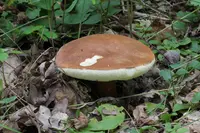
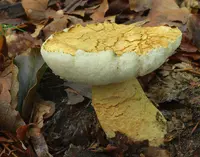
Cornflower bolete, Gyroporus cyanescens, is a mycorrhizal mushroom that forms a partnership with tree roots rather than a typical foliage plant. It produces thick, pale caps with spongy pores underneath and a firm, white stem that bruises striking blue when damaged. In nature it is found in sandy, well-drained soils, often with oaks or other hardwoods in temperate forests. This species is considered choice edible in the wild but is not easy to cultivate at home because it depends on specific tree partners and soil fungi communities. For those who want to learn how to care for Cornflower Bolete, the focus is on suitable host trees, clean soil, and steady moisture without waterlogging.

Main Plant Requirements

Care Difficulty

Hard Care

Light Preference

Partial Shade

Water Requirements

Regular Water

Temperature Preference

Cool Climate

Hardiness Zone

Unknown

Soil Texture

Sandy, Loamy, Organic-rich

Soil pH

Acidic (5.5–6.5)

Soil Drainage

Moist but well-drained

Fertilization

Minimal (feed rarely)

Get Personalized Care Plan

Scan your plant to receive care tips personalized for your specific plant

Available on iOS and Android

How to Care for the Cornflower Bolete

This mycorrhizal fungus prefers dappled woodland light rather than open, exposed sun.

  • Aim for bright, filtered light under deciduous trees, with roughly 2–4 hours of gentle morning sun and shade or broken light the rest of the day.
  • Cornflower Bolete fruiting bodies scorch and dry quickly in direct midday or afternoon sun, so avoid exposed south-facing clearings in summer.
  • In hot summers, choose sites shaded by leaf canopy; in cooler seasons, slightly more open positions help balance light with moisture retention.

This woodland mushroom relies on consistently moist, not waterlogged, soil around its tree partners.

  • Target evenly moist soil, letting only the top 2–3 cm of forest duff or soil surface begin to dry between natural rains or supplemental watering.
  • Focus on excellent drainage with sandy or loamy soil; standing water, sour smell, or slimy mycelium indicate overwatering and poor aeration.
  • Slow, reduced watering or allowing longer drying intervals between rains is useful in cool seasons, while hot, dry spells may need more frequent, lighter soaking.

This species favors mild, temperate conditions typical of mixed woodlands.

  • Best fruiting often occurs around 60–75°F (16–24°C), with mycelium remaining active over a wider range if moisture is stable.
  • Gyroporus cyanescens usually tolerates down to about 30–32°F (-1–0°C) without lasting damage, but hard, prolonged freezes can reduce future fruiting.
  • Sustained heat above 85°F (29°C), especially with dry soil, stresses the fungus, so deeper shade and higher organic matter help buffer summer temperature swings.

This ectomycorrhizal fungus forms best fruiting bodies in consistently moist, moderately humid air.

  • Aim for 60–80% humidity around developing caps and stems, especially during warm, windy weather.
  • Dry air causes cracking, slow expansion, and premature hardening of caps, even if the substrate is damp.
  • Increase humidity with fine misting, moist leaf litter, and windbreaks, but keep surfaces just damp to prevent bacterial rot.

This fungus requires a loose, well-aerated, mycorrhizal substrate rather than conventional potting soil.

  • Grow Gyroporus cyanescens in sandy to sandy-loam forest soil rich in organic matter, mimicking light, acidic woodland substrates.
  • Target pH 4.5–6.0 by mixing native pine or oak duff with washed sand to increase porosity and leaching.
  • Blend in fine, well-rotted leaf compost rather than dense manure-based composts to maintain structure and fungal-friendly nutrients.
  • Avoid compacted, waterlogged, or highly fertilized soil, which suppresses mycelial growth and disrupts the host-tree root symbiosis.

This species is generally unsuitable for container growing beyond short-term experimental culture.

Gyroporus cyanescens naturally partners with tree roots and usually needs no additional fertilizer in the ground.

Gyroporus cyanescens is a wild mycorrhizal fungus and does not benefit from conventional pruning.

This bolete is best established outdoors with its host trees, not maintained as a typical potted specimen.

  • Transplant only mycelium-rich soil or colonized substrate, not individual fruiting bodies.
  • Move material during cool, moist weather in spring or fall to limit stress and drying.
  • Keep the original soil attached to preserve mycorrhizal contacts with tree roots.
  • Water gently after relocating and maintain even moisture so the fungal network can reestablish.

Gyroporus cyanescens is challenging to propagate intentionally because it relies on a mycorrhizal partnership with trees.

In suitable climates this fungus is naturally cold hardy and requires no specific winter care beyond maintaining a healthy host tree and soil.

Care Tips

Spore Slurry Inoculation

To extend a patch, blend a few mature caps with non-chlorinated water and a pinch of salt, then pour the slurry over nearby suitable host tree roots and lightly rake in leaf litter to encourage new colonies when growing Cornflower Bolete.

Leaf Litter Management

Maintain a loose layer of deciduous leaf litter 2–5 cm deep over the mycelium zone to protect it from drying and mechanical disturbance, but avoid piling thick, compacted layers that can become anaerobic and harm the fungus.

Soil Disturbance Control

Mark the productive zone around host trees and avoid tilling, heavy foot traffic, or staking in that area so the fragile, hollow mycelial structures remain intact and can fruit reliably over multiple years.

Targeted Harvest Technique

Cut mushrooms cleanly at the base with a knife rather than pulling them out, then gently cover the cut stump with a bit of soil or litter so the underlying mycelium stays insulated and less exposed to pests.

Moisture Buffer Mulch

In dry periods, use a thin, airy mulch such as shredded leaves or pine needles around, but not against, tree trunks to stabilize moisture and temperature where the fungus grows, avoiding dense bark mulches that can overheat the surface layer.

Common Pests and Diseases

Mycophagous springtails

These insects feed on the fruiting bodies and mycelium, leaving small pits, tunnels, and surface scarring on caps and stems. This pest is common in moist, organic-rich mushroom beds or cultivation trays.

Solution

Reduce excess surface moisture, remove heavily damaged mushrooms promptly, and improve drainage in outdoor beds. In contained setups, use fine mesh screens, keep substrate clean of rotting debris, and, if needed, apply targeted biological controls such as predatory mites appropriate for mushroom production, following mushroom-safe product labels.

Fungus gnat larvae

This pest develops in damp substrates and can chew on developing mycelium, causing poor pin formation, stunted fruiting bodies, or collapse of young mushrooms. Symptoms include small black adult gnats flying near the substrate and thin, pale larvae in the growing medium.

Solution

Allow the surface layer of the substrate to dry slightly between misting, remove decaying organic debris, and use yellow sticky traps to reduce adult populations. In cultivation beds, a biological larvicide based on Bacillus thuringiensis israelensis (Bti) or beneficial nematodes can be introduced, following mushroom-safe usage guidelines.

Mite infestations

These pests include various mycophagous mites that feed on spores, mycelium, and mushroom tissue, causing pitted caps, deformed fruiting bodies, and reduced yields. This pest often appears in poorly cleaned or reused substrates, or where stored organic matter attracts them.

Solution

Discard infested substrates, clean containers and tools thoroughly, and avoid reusing contaminated growing media. For ongoing setups, improve hygiene, remove nearby moldy or infested materials, and consider introducing predatory mites used in mushroom production, applied according to professional Gyroporus cyanescens care instructions.

Trichoderma green mold

This disease is a competitive fungus that colonizes the same substrate, forming dense white mycelium that turns bright green as spores develop. Symptoms include stalled or patchy colonization of Gyroporus cyanescens and failure of mushrooms to form in contaminated areas.

Solution

Immediately remove and discard heavily infected blocks or substrate sections before spores spread. Improve substrate hygiene by pasteurizing or sterilizing materials, reducing excess moisture, and ensuring good air exchange; keep tools, containers, and nearby surfaces clean to prevent reinfection.

Bacterial blotch

This disease causes greasy, yellow-brown spots or streaks on caps, sometimes with a slimy texture and rapid tissue breakdown under overly wet conditions. Symptoms include off-odors and localized collapse of affected areas on the fruiting body surface.

Solution

Reduce overhead misting directly on caps and focus on maintaining even humidity with good air movement. Remove and discard affected mushrooms, sanitize tools and surfaces, and prevent standing water or condensation on caps by adjusting ventilation and spacing in the growing area.

Interesting Facts

Instant blue bruising

When the fruiting body is cut or pressed, the white flesh rapidly turns an intense blue due to oxidation of pigment compounds, a reaction that can complete within seconds in fresh specimens.

Hollow, brittle stem

The stem of this bolete is usually hollow and very fragile compared with many other boletes, often snapping cleanly rather than bending, which helps distinguish it in the field.

Sandy soil specialist

This species typically fruits in nutrient-poor, sandy or well-drained soils, often in association with oaks, birches, or pines, and is considered an indicator of relatively undisturbed, low-fertility woodland habitats in many regions.

Botan icon

Did you know?

In several European countries, this species is considered regionally rare or vulnerable, and in some areas it is red-listed, largely due to habitat loss and changes in woodland management that reduce its preferred light, sandy forest conditions.

FAQs about Cornflower Bolete

This species is considered a good edible mushroom when correctly identified, with firm, non-slimy flesh that turns blue when bruised. Only harvest from clean areas, avoid contaminated sites, and never eat any wild fungus without confident identification.

Grow Healthy Plants with Botan Care

Keep your plants happy and healthy with plant identification, disease detection, and easy care guidance.

Botan plant care app — identify plants on mobile

Explore More Plants