Support exposed rhizomes
Place the plant in a shallow, wide container and gradually mound airy substrate like fine bark or sphagnum around emerging furry rhizomes so they can root and anchor instead of drying out in midair.

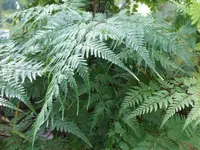
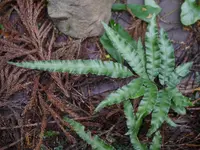
The giant hare's foot fern, Davallia solida, is an epiphytic or lithophytic fern known for its creeping, fuzzy rhizomes that resemble a hare’s foot. These rhizomes often sprawl over the pot edge or across bark and rock surfaces.
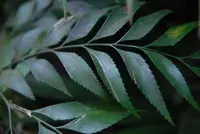
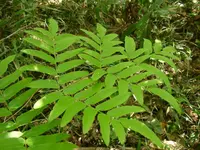
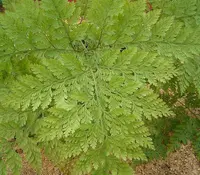
Its fronds are finely divided, forming a light, airy canopy that contrasts with the thick, hairy rhizomes. In nature it grows in warm, humid forests from Southeast Asia to the Pacific region, usually on tree trunks or rocky slopes.
This species prefers stable moisture, good air movement, and a loose, well-draining medium. Understanding how to care for giant hare's foot fern starts with providing bright, filtered light and avoiding waterlogged conditions.

Care Difficulty
Moderate Care

Light Preference
Partial Shade

Water Requirements
Keep Soil Moist

Temperature Preference
Tropical / Frost Sensitive

Hardiness Zone
10–11

Soil Texture
Loamy, Peaty, Organic-rich

Soil pH
Acidic (5.5–6.5)

Soil Drainage
Moist but well-drained

Fertilization
Light (every 4–6 weeks)
Scan your plant to receive care tips personalized for your specific plant
Available on iOS and Android
This fern prefers bright, indirect light that mimics dappled forest shade for steady growth.
This fern favors consistently moist but not waterlogged conditions around its fibrous roots and rhizomes.
This species grows best in mild, frost-free climates with stable, moderate temperatures.
This fern prefers consistently moist air and reacts quickly to dry conditions indoors.
This species prefers a loose, fibrous, and airy mix that stays lightly moist but never waterlogged.
This fern is well suited to container growing, especially in shallow, wide pots or hanging baskets.
Davallia solida benefits from light, consistent feeding during active spring–summer growth but is sensitive to excess salts.
Pruning Davallia solida focuses on grooming and maintaining a neat, airy frond canopy rather than heavy cutting.
This fern prefers to be slightly root- and rhizome-bound, so repotting is infrequent and should be done with care.
This species is most practically multiplied by division of its creeping rhizomes rather than by spores in home settings.
Grown outdoors, giant hare's foot fern suits mild, frost-free climates; in colder regions it needs indoor or protected conditions over winter.

Plant Health Check
Not sure what's wrong with your plant? Check your plant's health inside the app.
In the wild, this species often grows as an epiphyte on tree trunks or as a lithophyte on rocks, anchoring into small crevices rather than typical soil.
Its conspicuous, brown, hairy rhizomes creep over the surface of bark or rock, storing water and nutrients and helping the plant survive short dry spells.
This fern occurs naturally from eastern Australia through New Zealand and many Pacific islands, where it occupies humid forests from lowlands into montane zones.

Davallia solida shows notable morphological variation across its range, with different geographic forms displaying distinctly shaped fronds and rhizome thickness, which has led botanists to describe several subspecies and closely related taxa within the Davallia solida complex.
Brown leaf tips or fronds usually come from low humidity, underwatering, or fertilizer burn. Improve humidity, keep the root zone lightly moist, and flush excess fertilizer salts with plain water to help new fronds grow healthier.
Keep your plants happy and healthy with plant identification, disease detection, and easy care guidance.