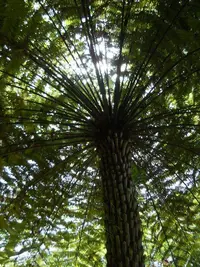
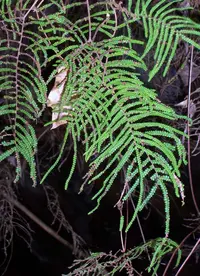
longleaf brake Care (Pteris longifolia)

longleaf brake

About longleaf brake

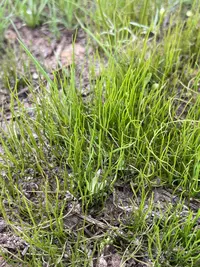
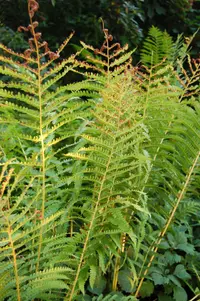
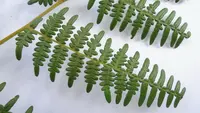
Longleaf brake, Pteris longifolia, is an evergreen fern known for its long, narrow fronds that form a soft, upright clump. It stays relatively compact, which makes it suitable for containers and indoor displays.

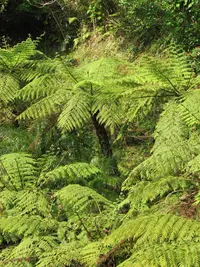
This species is native to tropical and subtropical regions, where it grows in shaded, humid forest habitats. Its thin fronds and fibrous roots dry out quickly, so consistent moisture and good humidity are important.

Light shade, evenly moist but well-drained soil, and protection from harsh sun make it easier to care for longleaf brake, especially in typical home conditions.

Main Plant Requirements

Care Difficulty

Moderate Care

Light Preference

Bright Indirect Light

Water Requirements

Keep Soil Moist

Temperature Preference

Tropical / Frost Sensitive

Hardiness Zone

10–11

Soil Texture

Loamy, Peaty, Organic-rich

Soil pH

Acidic (5.5–6.5), Slightly acidic (6.5–7.0)

Soil Drainage

Moist but well-drained

Fertilization

Light (every 4–6 weeks)

Get Personalized Care Plan

Scan your plant to receive care tips personalized for your specific plant

Available on iOS and Android

How to Care for the longleaf brake

This fern prefers soft, indirect light similar to bright forest shade.

  • Provide 4–6 hours of bright, filtered light daily, such as near an east-facing window or under tree canopy outdoors for longleaf brake.
  • Tolerates light to medium shade but fronds grow thinner and more sparse if kept in very dim conditions for many weeks.
  • Avoid strong midday or afternoon sun, which scorches fronds; use sheer curtains indoors or dappled shade outdoors, especially in summer.

This fern needs consistently moist but not waterlogged soil.

  • Water when the top 1–2 cm of soil feels slightly dry; soil below should stay evenly damp, not soggy.
  • Increase watering during warm, active growth and reduce slightly in cooler months, but never allow the root zone of Pteris longifolia to dry out completely.
  • Watch for signs: crisp, browning tips indicate underwatering; yellowing, limp fronds and a sour smell from soil suggest poor drainage or overwatering.

This species prefers mild, stable temperatures without extremes.

  • Ideal growth occurs at 65–80°F (18–27°C), which supports steady frond production and healthy root activity.
  • Avoid temperatures below 50°F (10°C); light chill may slow growth, but true frost damages fronds and can kill the crown.
  • In hot spells above 85°F (29°C), increase shade and humidity, and avoid placing the plant near heat vents, cold drafts, or rapidly fluctuating outdoor exposures.

This fern prefers consistently moist air and reacts quickly to dry indoor conditions.

  • Aim for 60–80% humidity; place the longleaf brake away from heating or cooling vents that dry the air.
  • Crisping tips, pale fronds, and slow unfurling indicate humidity stress rather than underwatering.
  • Increase humidity with a nearby humidifier, grouping plants together, or a wide pebble tray that keeps the pot above, not in, the water.

Pteris longifolia prefers a loose, moist, and airy substrate that never stays waterlogged.

  • Use a peat- or coco-based mix with high organic matter, such as 2 parts potting mix, 1 part fine bark, and 1 part perlite for structure and drainage.
  • Keep the soil evenly moist but not saturated; water should drain freely through the mix within seconds, not minutes.
  • Aim for slightly acidic to neutral pH around 5.5–7.0, avoiding heavy lime additions that can push pH too high.
  • Avoid dense garden soil or mixes high in fine sand or clay, which restrict aeration and encourage root rot in this fern.

This species grows reliably in containers when pot choice supports shallow, fibrous roots and steady moisture.

  • Select a wide, relatively shallow pot that matches the spreading root system so the mix does not stay wet at the bottom.
  • Choose plastic or glazed ceramic if extra moisture retention is needed, or unglazed terracotta if the mix tends to stay too wet.
  • Ensure drainage holes are large and unobstructed, and lift the pot slightly on risers so excess water clears the saucer quickly.

This fern benefits from light, steady feeding during active growth to support fresh fronds without stressing the roots.

  • Use a balanced liquid fertilizer (such as 10-10-10 or 20-20-20) diluted to 1/4–1/2 strength for caring for longleaf brake in pots.
  • Feed every 4–6 weeks in spring and summer when new fronds are forming and growth is steady.
  • Skip or reduce feeding to once in midwinter only if the plant continues growing under warm, bright indoor conditions.
  • Organic options like diluted fish emulsion or a thin layer of fine compost on the soil surface also work well when kept weak.

Light pruning keeps Pteris longifolia tidy and encourages fresh, healthy fronds.

  • Best time for more thorough cleanup is late winter to early spring, before strong new growth begins.
  • Use clean, sharp scissors to cut dead, yellowing, or damaged fronds at the base of their stems.
  • Thin a few crowded, old fronds to improve air flow and light penetration into the center of the clump.
  • Prompt removal of spent fronds maintains a neat outline and directs the plant’s energy into new foliage.

This fern prefers slightly snug pots but benefits from occasional repotting to refresh soil and manage root growth.

  • Plan to repot every 2–3 years in spring when roots circle the pot, emerge from drainage holes, or growth slows despite good care.
  • Choose a container 2–3 cm wider with drainage holes and use a loose, peat- or coco-based mix with added perlite for aeration.
  • Gently loosen the root ball, trim only dead roots, and keep the crown at the same depth to minimize stress.
  • Water thoroughly after potting, keep humidity high, and shelter the plant from strong sun for 1–2 weeks while it re-establishes.

This fern is most commonly propagated by division, which produces new plants identical to the parent.

  • Divide in spring when repotting, choosing a well-established, actively growing clump of Pteris longifolia.
  • Lift the plant, then gently tease or cut the root ball into sections, each with several healthy fronds and firm roots.
  • Plant divisions into small pots with moist, airy fern mix and firm the soil lightly around the roots.
  • Maintain high humidity, bright indirect light, and evenly moist soil until strong new growth confirms successful establishment.

This fern is frost sensitive and needs mild, protected conditions through winter, especially in cooler climates.

  • In regions below 40°F, grow mainly as a houseplant or move outdoor containers indoors before the first frost.
  • Indoors, keep temperatures around 60–75°F and avoid cold drafts from windows or doors.
  • Where planted outside in very mild climates, apply a light mulch to keep soil evenly moist and buffer brief cool spells.
  • Reduce watering slightly in winter but do not let the root zone dry out completely, as this stresses fronds.

Care Tips

Shallow, wide potting

Use a wide, relatively shallow pot and divide the rhizomes every 2–3 years to prevent congestion, which keeps fronds longer and more upright when growing longleaf brake.

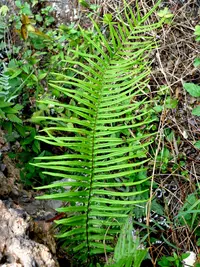
Frond grooming routine

Inspect fronds monthly and remove yellowing, crispy, or deformed fronds at the base with sterilized scissors to reduce fungal pressure and direct energy to healthy growth.

Moisture check layer

Slip a narrow wooden skewer 5–7 cm into the mix and use the feel and color of the lower part to judge internal moisture, which is more reliable for this fern than just checking the surface.

Targeted pest patrol

Check the undersides of fronds and the crown for scale and spider mites during routine watering, and rinse fronds in the sink or shower at low pressure if early signs appear before using any treatments.

Gradual environment shifts

When moving the plant between locations or seasons, shift light and humidity conditions over 7–10 days to avoid stress frond drop, especially if relocating near HVAC vents or bright windows.

Common Pests and Diseases

Scale insects

These insects attach to frond midribs and stalks as small brown or tan bumps, sucking sap and causing yellowing and weak, stunted fronds.

Solution

Remove heavily infested fronds, then wipe remaining fronds and stems with a cotton pad dipped in diluted insecticidal soap or horticultural oil, repeating every 7–10 days until new growth appears clean and healthy.

Fern aphids

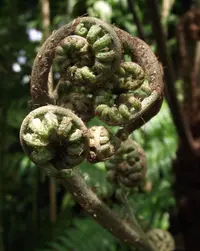
These insects cluster on tender fiddleheads and young fronds, leading to distorted growth, sticky honeydew, and sooty mold on the foliage.

Solution

Rinse fronds thoroughly with a gentle stream of lukewarm water, then treat remaining colonies with insecticidal soap, ensuring full coverage of the undersides of fronds and repeating treatments as needed while improving air movement around the plant.

Spider mites

This pest thrives on long, narrow fronds in dry indoor air, causing fine speckling, dulling of the foliage, and delicate webbing along the frond edges.

Solution

Increase humidity, shower the plant with lukewarm water to dislodge mites, and follow with several rounds of insecticidal soap or a light horticultural oil spray directed to both sides of every frond, applied every 5–7 days until no new damage appears.

Rhizoctonia leaf spot

This disease produces irregular brown lesions that may merge along the frond, especially where foliage stays wet and air circulation is poor.

Solution

Remove and discard affected fronds, allow the plant to dry slightly between waterings, avoid overhead watering, and, if spread continues, apply a fern-safe fungicide labeled for Rhizoctonia while improving spacing and airflow around the plant.

Bacterial blight

Symptoms include water-soaked, translucent patches on fronds that turn dark brown and may spread rapidly in warm, humid, poorly ventilated conditions.

Solution

Isolate the plant, cut off and discard all affected fronds with sterilized tools, avoid wetting the foliage, increase ventilation, and reduce crowding; in severe cases it is safer to discard the entire plant to protect nearby ferns and then restart with clean stock and stricter hygiene as part of longleaf brake care instructions.

Interesting Facts

Naturally cliff-dwelling fern

In the wild, this species often grows on rocky cliffs and vertical faces, anchoring its roots in narrow crevices where organic debris accumulates and moisture lingers.

Distinctive long sterile fronds

It produces unusually long, narrow sterile fronds that can form loose, arching fountains, while fertile fronds are typically shorter and bear spores on their undersides.

Spore stripes along margins

Its sori, the spore-producing structures, form continuous or nearly continuous brownish bands near the leaflet margins rather than in round clusters, giving the frond edges a finely lined appearance when fertile.

FAQs about longleaf brake

Brown tips or edges usually result from low humidity, underwatering, or excess fertilizer salts. Improve ambient humidity, water thoroughly but less often, and flush the potting mix occasionally to remove built‑up salts from regular feeding.

Grow Healthy Plants with Botan Care

Keep your plants happy and healthy with plant identification, disease detection, and easy care guidance.

Botan plant care app — identify plants on mobile

Explore More Plants