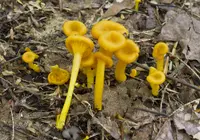
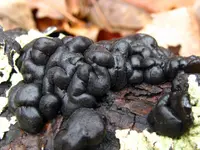
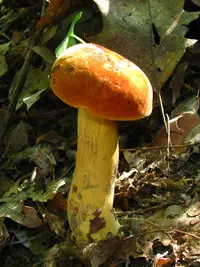
wood oysterling Care (Deconica horizontalis)

wood oysterling

About wood oysterling

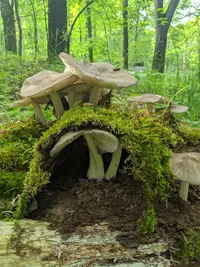
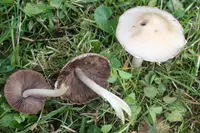
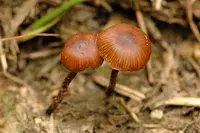
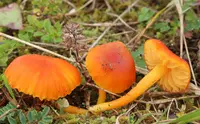
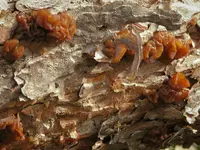
Wood oysterling, Deconica horizontalis, is a small saprophytic fungus that lives on decaying wood rather than soil. It forms thin, shell-like caps that sit almost flat against fallen branches or logs, often in shaded, damp woodland.

This species is typically found in temperate forests of Europe and North America, especially in cool, moist conditions. It does not behave like a typical houseplant and is challenging to keep in cultivated settings.

Because it depends on consistently rotting wood, high humidity, and stable cool temperatures, it is not practical for beginners to care for wood oysterling indoors or in gardens.

Main Plant Requirements

Care Difficulty

Hard Care

Light Preference

Shade

Water Requirements

Keep Soil Moist

Temperature Preference

Cool Climate

Hardiness Zone

Unknown

Soil Texture

Loamy, Silty, Organic-rich

Soil pH

Acidic (5.5–6.5), Slightly acidic (6.5–7.0)

Soil Drainage

Moist but well-drained

Fertilization

Minimal (feed rarely)

Get Personalized Care Plan

Scan your plant to receive care tips personalized for your specific plant

Available on iOS and Android

How to Care for the wood oysterling

This saprophytic fungus prefers low, woodland-style light that mimics a shaded forest floor.

  • Provide bright shade or dappled light, ideally under deciduous trees where it receives 1–3 hours of weak morning sun and full shade by midday.
  • Avoid direct midday or afternoon sun, which can dry substrate quickly and damage delicate wood oysterling fruiting bodies.
  • In summer, deeper shade is beneficial; in cooler seasons, slightly more open canopy light still should not exceed gentle, filtered sun.

This wood-decaying fungus depends on consistently moist, but not waterlogged, substrate to fruit well.

  • Aim for moisture-retentive but free-draining wood or woody debris that feels evenly damp; surface can dry slightly between rains but inner layers should stay moist.
  • In dry spells, irrigate the habitat when the top 2–3 cm of substrate feel dry, using gentle watering that soaks wood without leaving standing water.
  • Watch for reduced or shriveled mushrooms as a sign of dryness, and for sour smell or slimy, collapsing caps as possible overwatering or stagnation.

This species is adapted to cool, temperate woodland conditions and fruits best in mild weather.

  • Optimal fruiting typically occurs around 50–65°F (10–18°C), with growth slowing as temperatures move far above or below this range.
  • It tolerates cool nights down to about 32°F (0°C), but hard, prolonged frost can damage fruiting bodies and suppress future flushes.
  • Sustained heat above 77°F (25°C) with dry air can halt fruiting, so shaded, moist microhabitats are important during warmer months.

Humidity is a minor factor for Deconica horizontalis, which relies more on overall substrate moisture than air moisture.

Deconica horizontalis performs best on loose, consistently moist, organic-rich substrate that mimics decaying wood or leaf litter.

  • Use finely chopped hardwood chips, well-rotted leaf litter, and a small amount of compost to create a soft, spongy, wood-based substrate.
  • Ensure rapid drainage so water moves through within seconds, but retains slight dampness, avoiding standing water or waterlogged pockets.
  • Aim for slightly acidic to neutral conditions around pH 5.5–7, which favor fungal growth and decomposition processes.
  • Avoid compacted garden soil or heavy clay, which reduce aeration and restrict mycelium spread through the substrate.

This fungus is generally unsuitable for conventional container growing, as it depends on decomposing woody material in natural settings rather than restricted pots.

Deconica horizontalis is a wood-decaying fungus that does not benefit from conventional fertilization in garden or container settings.

Pruning is not a standard practice for Deconica horizontalis, as the visible mushroom is only the fruiting body of an underground mycelium network.

In cultivation, focus on moving colonized substrate rather than repotting Deconica horizontalis like a traditional plant.

  • Transplant only when the substrate is fully colonized and fruiting declines or contamination appears.
  • Work during mild conditions, keeping the mycelium and substrate at stable moisture and avoiding direct sun.
  • Shift the entire colonized block onto fresh, compatible wood or lignin-rich substrate without breaking it apart excessively.
  • Minimize handling time to reduce mycelium stress, and maintain good air exchange after transplanting.

Propagation of Deconica horizontalis is specialized and usually carried out by experienced mushroom growers rather than casual plant owners.

Deconica horizontalis is typically cold tolerant in its natural woodland habitat and needs no special winter care in the ground.

Care Tips

Use Decaying Wood

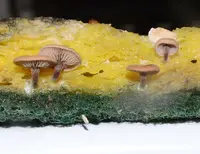
Establish the fungus on well-rotted hardwood pieces (such as old oak or beech logs or boards) with soft, spongy texture, as this mimics its natural substrate and improves long-term stability of the colony.

Shaded Microclimate

Create a stable, cool, and dim microclimate by placing the inoculated wood under shrubs, behind a north-facing wall, or inside a shaded cold frame to limit drying winds and light fluctuations.

Moisture Shielding

Lay a loose layer of coarse bark, leaf litter, or breathable horticultural fleece around but not directly on top of fruiting areas to slow evaporation while still allowing gas exchange.

Gentle Harvest Technique

Cut fruiting bodies at the base with a clean knife instead of twisting or pulling so the underlying mycelium remains intact and can fruit again from the same wood.

Monitor Wood Depletion

Check the structural soundness and color of the colonized wood each season and be prepared to introduce new partially decayed logs once the original material becomes powdery and structurally collapsed, which maintains continuity when growing wood oysterling over multiple years.

Common Pests and Diseases

Fungus gnat larvae

This pest commonly breeds in the wet, organic substrates where this saprophytic fungus grows and the larvae feed on decaying matter around the mycelium. Symptoms include reduced mushroom formation and a substrate that appears riddled with tiny tunnels or soft spots.

Solution

Reduce excess moisture, improve drainage, and allow the surface of the substrate to dry slightly between waterings to disrupt the life cycle. Physically remove heavily infested substrate, use fine mesh or covers to limit adult access, and apply a biological control such as Bacillus thuringiensis israelensis (BTi) as a targeted treatment in very wet culture setups.

Springtails

These insects are frequently found in moist wood and leaf litter where this fungus develops, feeding mainly on decaying material, fungal mycelium, and spores. Symptoms include small, jumping white or gray insects on the substrate surface and along damp container edges in indoor culture.

Solution

Lower surface moisture slightly while keeping the substrate from fully drying, and increase ventilation around the culture. Rinse containers, remove debris-rich top layers, and, for indoor sets, use sticky traps and careful spot vacuuming or brushing to keep numbers low without disturbing the main colony.

Mite infestation

This pest appears in very humid, organic setups and some mite species can graze directly on mycelium and young fruiting bodies. Symptoms include slow or distorted cap development, patchy mycelium, and tiny moving specks on the substrate under magnification or strong light.

Solution

Lower humidity to the minimum needed for fruiting, increase air movement, and avoid overcrowded containers. Remove and discard heavily colonized but damaged substrate, clean equipment and growing surfaces thoroughly, and, if necessary, introduce predatory mites that target pest mites without harming the fungal culture as part of Deconica horizontalis care instructions.

Interesting Facts

Shelf-like growth habit

This species typically grows as small, thin, overlapping caps that appear to flow horizontally from very decayed, often moss-covered wood, which explains the epithet horizontalis.

Non-psilocybin relative

Although once placed in the psilocybin-containing genus Psilocybe, this species lacks the characteristic blue bruising and is not known to contain psilocybin, so it is now classified in the genus Deconica based on both morphology and DNA data.

Preference for rotten wood

It is strongly associated with heavily decomposed, often barkless conifer or hardwood logs, appearing late in the decay process and contributing to the final breakdown of lignin-rich wood.

FAQs about wood oysterling

This small mushroom is not considered edible and should not be collected for food. Identification within brown, wood-inhabiting fungi is difficult, and confusing it with truly toxic species is easy, so consumption is strongly discouraged.

Grow Healthy Plants with Botan Care

Keep your plants happy and healthy with plant identification, disease detection, and easy care guidance.

Botan plant care app — identify plants on mobile

Explore More Plants