Honey Waxcap Care (Hygrocybe reidii)

Honey Waxcap

About Honey Waxcap

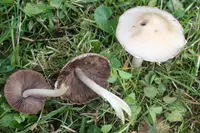
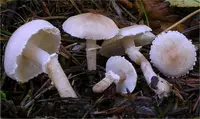
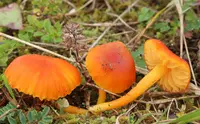
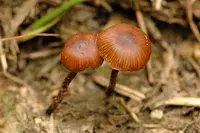
Honey waxcap (Hygrocybe reidii) is a small, waxy-capped mushroom, not a typical houseplant, valued mainly by fungi enthusiasts and field naturalists. It produces bright orange to reddish caps with a greasy or waxy surface and slender pale stems.

This species is usually found in unimproved grasslands, lawns, and old meadows in parts of Europe and some other temperate regions, often in short turf. It has a honey-like scent when crushed, which helps with identification but does not make it easier to cultivate.

Hygrocybe reidii is considered difficult to grow because it depends on complex soil and grassland ecosystems, so attempts to care for Honey Waxcap at home rarely succeed.

Main Plant Requirements

Care Difficulty

Hard Care

Light Preference

Partial Shade

Water Requirements

Keep Soil Moist

Temperature Preference

Cool Climate

Hardiness Zone

Unknown

Soil Texture

Loamy, Silty, Organic-rich

Soil pH

Strongly acidic (4.5–5.5), Acidic (5.5–6.5)

Soil Drainage

Moist but well-drained

Fertilization

Minimal (feed rarely)

Get Personalized Care Plan

Scan your plant to receive care tips personalized for your specific plant

Available on iOS and Android

How to Care for the Honey Waxcap

This grassland fungus prefers cool, open habitats with gentle, indirect light rather than strong, direct sun.

  • Aim for 3–6 hours of soft light, such as morning sun with light shade or filtered light later in the day, to support healthy fruiting.
  • Provide partial shade under short grasses; intense, direct afternoon sun can dry the soil surface too fast and reduce Honey Waxcap appearance.
  • In summer, protect sites from prolonged scorching exposure; in autumn, when Hygrocybe reidii typically fruits, stable, bright but not harsh light works best.

This waxcap relies on consistently moist but not waterlogged soil in undisturbed grassland.

  • Allow the top 1–2 cm of soil to start drying slightly between natural rains; avoid saturated ground, which can reduce fruiting and encourage rot.
  • Look for firm, fresh caps as a sign of adequate moisture; shriveling or cracking suggests the site is drying, while slimy, collapsing caps often reflect excess water.
  • Ensure soil drains freely through a fine, un-compacted structure; heavy standing water or hardpan layers are unsuitable for Hygrocybe reidii.

This species fruits best in cool, moist conditions typical of mild autumn weather.

  • Optimal fruiting usually occurs around 45–60°F (7–16°C), where cool air and moist soil encourage stable mushroom development.
  • It tolerates brief drops close to 32°F (0°C) but repeated hard frosts below 28°F (-2°C) can damage or halt fruiting bodies.
  • Sustained heat above 70°F (21°C), especially with dry winds, tends to dry the turf and sharply reduce Hygrocybe reidii fruiting until cooler conditions return.

This grassland fungus favors consistently moist air but survives a moderate range of outdoor humidity.

  • Aim for 60–80% humidity in its microhabitat, such as damp turf or mossy areas, to support reliable fruiting.
  • It tolerates brief dips to 40–50% humidity but prolonged dry air causes caps to dry, crack, and abort before maturing.
  • Increase humidity locally by allowing surrounding grass to grow slightly longer, avoiding heavy raking, and reducing direct, drying wind exposure around Honey Waxcap patches.

This species fruits best in undisturbed, low-nutrient grassland soils with open structure and steady moisture.

  • Provide a lean, sandy to fine-loamy soil with plenty of pore space so air and water can move freely around fungal mycelium.
  • Ensure free drainage; aim for moist but never waterlogged ground by avoiding compacted subsoil and low-lying, puddle-prone spots.
  • Keep pH slightly acidic to neutral (about 5.5–7.0), avoiding lime-rich or heavily fertilized lawns that suppress Hygrocybe reidii.
  • Improve structure with a thin, well-mixed layer of fine sand and minimal low-nutrient organic matter, avoiding rich composts or manures that boost aggressive competitor fungi.

This waxcap is not suitable for container growing because it depends on complex grassland soil ecosystems that are difficult to replicate in pots.

This wild mushroom relies on its natural soil habitat and generally should not be fertilized.

Hygrocybe reidii does not require pruning because the fruiting bodies are short-lived and the main organism lives hidden in the soil.

This species is rarely grown in containers; focus instead on careful site management if attempting cultivation.

  • Avoid disturbing existing colonies; note that slow or reduced fruiting usually reflects site changes rather than crowding.
  • If moving turf or soil that hosts Honey Waxcap, lift and re-lay it in intact slabs to keep the fungal mycelium undisturbed.
  • Carry out any turf relocation in cool, moist weather to reduce drying stress on the soil community.
  • Water gently after relocation and avoid compaction, allowing the soil structure and fungal network to re-establish.

In cultivation, Hygrocybe reidii propagation is experimental and technically demanding, so it is rarely attempted by home growers.

This waxcap is naturally cold hardy in temperate climates and normally needs no special winter care.

Care Tips

Retain Host Vegetation

Maintain low, fine grasses or mosses with very light mowing or grazing instead of bare soil, since these fungi associate with undisturbed grassland communities rather than rich garden beds.

Avoid Nutrient Enrichment

Do not add compost, manure, or high-nitrogen fertilizers to the site, because Hygrocybe species favor nutrient-poor, unimproved soils and heavy feeding will usually prevent fruiting.

Minimize Soil Disturbance

Keep foot traffic, digging, and raking to a minimum in the area where caps appear, as compacted or repeatedly disturbed soil disrupts the underground fungal network and reduces future fruiting.

Maintain Seasonal Moisture

In dry autumn spells, apply a gentle, infrequent soak to the surrounding turf in early morning rather than frequent light sprinkling, so moisture penetrates to the mycelium while the grass surface still dries between waterings.

Monitor Site Chemistry

Periodically test soil pH and avoid liming or acidifying the area unless clearly required, aiming to keep the existing mildly acidic to neutral conditions stable for more predictable results when growing Honey Waxcap.

Common Pests and Diseases

Slime molds

This disease appears as soft, often brightly colored or grayish patches that can overgrow fungal fruiting bodies in damp, nutrient-rich grassland. Symptoms include a wet, gelatinous coating that may obscure the caps and stems and accelerate decay.

Solution

Remove affected fruiting bodies promptly and avoid piling cut grass or organic debris over waxcap areas, which increases surface moisture and organic load. Improve air circulation and drainage in the sward so the turf dries more quickly after rain, which helps limit slime mold development around Hygrocybe reidii colonies.

Fungal grazing by slugs

This pest problem is caused by slugs feeding on the caps and gills, leaving irregular holes, shredded margins, and slime trails on or around fruiting bodies. Damage often occurs overnight in damp conditions and can destroy young mushrooms before they mature.

Solution

Hand-pick slugs in the evening or early morning around known fruiting sites and reduce nearby hiding places such as thick thatch, stones, and boards. In gardens or managed lawns, use physical barriers like copper tape around small protected colonies and, if needed, iron phosphate pellets placed away from the main fruiting area to lower slug numbers without overloading the habitat with chemicals.

Maggot infestation

This pest issue is caused by fly larvae developing inside the fruiting bodies, leading to tunneling, softening, and rapid collapse of caps and stems. Symptoms include small entry holes, spongy texture, and tiny white larvae visible in cut tissue.

Solution

Collect and remove badly infested mushrooms as soon as they are noticed to interrupt the fly life cycle. Maintain a slightly shorter, but not scalped, sward during peak fruiting so that air moves more freely around the fruiting bodies, which can make conditions less favorable for egg laying and larval development.

Grassland eutrophication stress

This condition is driven by excessive nutrients in the soil from fertilizer, manure, or heavy runoff, which indirectly suppresses waxcaps and favors competing fungi and plants. Symptoms include a decline in fruiting, disappearance of colonies, and replacement by dense, coarse grasses and mosses.

Solution

Avoid applying fertilizer, manure, or compost near known Hygrocybe reidii sites, and redirect nutrient-rich runoff away from these areas. Over several seasons, manage the grassland with light, regular mowing and removal of clippings to slowly reduce nutrient levels and maintain the low-fertility conditions needed for long-term Hygrocybe reidii care instructions.

Interesting Facts

Distinct honey scent

When the fresh fruiting body is rubbed or crushed, it releases a noticeable honey-like or sweet waxy odor, which is unusual among grassland waxcap species and helps distinguish it from similar red Hygrocybe mushrooms.

Late-season fruiting

This species typically fruits in late autumn to early winter in Europe, often appearing after many other waxcaps have finished, making it a characteristic member of late-season waxcap grassland communities.

Indicator of old grassland

It is strongly associated with unimproved, low-nutrient grasslands such as old pastures and lawns, so its presence is used by field mycologists as an indicator of long-continuity, relatively undisturbed grassland habitat.

Botan icon

Did you know?

Molecular studies have supported that this species, once confused with several other red waxcaps, is genetically distinct, which helped clarify identification problems in European waxcap surveys and conservation assessments.

FAQs about Honey Waxcap

This mushroom is sometimes reported as edible but is not widely collected for food. Identification can be difficult, and confusing it with similar species is possible. For safety, avoid eating wild waxcaps unless confirmed by an expert mycologist.

Grow Healthy Plants with Botan Care

Keep your plants happy and healthy with plant identification, disease detection, and easy care guidance.

Botan plant care app — identify plants on mobile

Explore More Plants