mountain moss deconica Care (Deconica montana)

Also known as: mountain brownie
mountain moss deconica

About mountain moss deconica

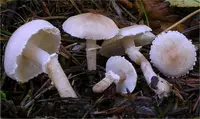
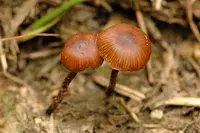
Mountain moss deconica (Deconica montana) is a small, fragile mushroom rather than a true moss or leafy plant. It typically forms slender stems topped with dull brown caps that appear among mosses, grass, and low vegetation.

This species is widespread in cool, temperate regions, especially in mountain and subalpine habitats on soil, decaying plant matter, or mossy ground. It is not commonly cultivated, and attempts to care for mountain moss deconica at home are usually challenging because it depends on natural, stable moisture and microbe-rich substrates.

In nature it favors cool, humid conditions, filtered light, and undisturbed, well-drained but consistently damp soil or moss layers.

Main Plant Requirements

Care Difficulty

Hard Care

Light Preference

Partial Shade

Water Requirements

Keep Soil Moist

Temperature Preference

Cold Hardy

Hardiness Zone

Unknown

Soil Texture

Loamy, Rocky, Organic-rich

Soil pH

Acidic (5.5–6.5), Slightly acidic (6.5–7.0)

Soil Drainage

Moist but well-drained

Fertilization

Minimal (feed rarely)

Get Personalized Care Plan

Scan your plant to receive care tips personalized for your specific plant

Available on iOS and Android

How to Care for the mountain moss deconica

This small saprophytic fungus prefers cool, low to moderate light similar to shaded mountain grasslands.

  • Provide dappled or filtered light with no more than 2–3 hours of weak morning sun; avoid direct midday or afternoon sun to prevent drying of the substrate.
  • Grow in partial to full shade under grasses, low shrubs, or trees where light is bright but indirect for most of the day.
  • In summer, protect mountain moss deconica from exposure on open, sun-baked soil; in cooler seasons, slightly more open light is tolerated as long as the substrate stays moist.

Moist, well-drained substrate is essential for stable fruiting and mycelium health in this species.

  • Allow the top 1–2 cm of soil or litter to start drying, but not fully, before rewetting with a gentle soak that drains away freely.
  • Use a loose, organic, well-draining mix or natural soil with leaf litter so excess water moves through; avoid compacted, waterlogged ground that causes rot and weak, pale caps.
  • In warm, windy, or very dry weather, increase misting or light watering, watching for curling, brittle caps as a sign of dryness and soft, collapsing stems as a sign of overwatering in Deconica montana habitats.

This fungus is adapted to cool, temperate conditions and dislikes sustained heat.

  • Aim for active growth and fruiting in the range 45–65°F (7–18°C), which mimics upland or montane environments where it is most often found.
  • Tolerates near-freezing conditions down to about 32°F (0°C) for short periods, but repeated hard freezes below this can damage fruiting bodies, though underground mycelium often survives.
  • Above 70°F (21°C), especially with dry air, fruiting declines; provide shade, moisture, and mulch to buffer soil temperature and reduce rapid surface heating.

This fungus tolerates a wide humidity range but benefits from moderately moist air when cultivated.

  • Aim for 50–70% humidity to mimic its natural montane conditions.
  • It withstands brief dips to 30–40%, but prolonged very dry air can slow growth and dry the substrate excessively.
  • Low humidity stress shows as brittle mycelium or caps cracking; increase humidity with a humidifier, covered trays, or a loose humidity tent when caring for mountain moss deconica.

Deconica montana prefers a loose, well‑aerated, sharply drained substrate rather than dense potting soil.

  • Use a gritty mix such as 40% fine bark, 30% coarse sand, and 30% compost to imitate organic but stony montane ground.
  • Ensure rapid drainage; water should pass through within seconds, leaving the mix moist but never waterlogged.
  • Aim for slightly acidic to neutral conditions, roughly pH 5.5–7, avoiding strongly alkaline substrates with added lime.
  • Improve aeration by blending in perlite or pumice and avoid heavy clay, peat‑only mixes, or compacted garden soil.

This species can be grown in containers under controlled conditions, mainly for observation rather than ornamental display.

  • Choose a wide, shallow tray or pot that allows the substrate to form a broad, thin layer similar to its natural growth surface.
  • Use a rigid container material that does not flex, so the delicate mycelium is not disturbed when the pot is moved.
  • Provide a catch tray that can be emptied quickly after watering so excess runoff does not keep the lower substrate saturated.

This small saprotrophic mushroom typically requires no fertilization when grown in natural or semi-natural substrates.

  • Avoid synthetic NPK products; Deconica montana thrives on low-nutrient, well-decayed organic matter.
  • If cultivation is attempted, mix a small amount of finished leaf mold or compost into the substrate before colonization.
  • Do not top-dress or feed during growth; high nutrient levels favor competing fungi and bacteria.
  • Maintain consistent moisture instead of adding nutrients to encourage stable mycelial development.

Pruning is not applicable to Deconica montana because it is a short-lived mushroom rather than a woody or leafy plant.

Transplanting is rarely practical for this species, which behaves as a delicate, substrate-bound mushroom rather than a conventional potted plant.

  • If moving a culture, shift the entire colonized substrate at once rather than disturbing individual fruiting bodies.
  • Transplant only during active mycelial growth, not when caps are already mature and spore-bearing.
  • Handle trays or plugs gently to avoid breaking the mycelium, which functions like the plant’s root system.
  • After relocation, maintain similar moisture, temperature, and shade levels to reduce stress and avoid collapse of the colony.

Propagation of this wild saprotrophic fungus is specialized and generally left to expert growers or natural spore dispersal.

Outdoor colonies in natural habitats usually need no dedicated winter care, as the fungus survives as resilient mycelium in the substrate.

  • In cold climates, avoid disturbing leaf litter or soil where the mycelium resides during freezing periods.
  • For experimental container cultures, keep trays in a cold but frost-free, shaded location to limit substrate heaving.
  • Maintain only slightly moist conditions in winter to avoid waterlogging, which can damage the resting mycelium.

Care Tips

Substrate depth control

Maintain a very thin organic layer, around 0.5–1 cm, over compact but well-drained mineral soil so caps stay small, stable, and less likely to rot after heavy rain or misting.

Targeted misting practice

Mist early in the day and focus spray on the surrounding substrate rather than directly on caps to reduce the risk of bacterial spotting and premature collapse of fruiting bodies.

Spore-friendly airflow

Provide gentle, consistent air movement over the colony so caps dry quickly after moisture events, which helps limit fungal competitors while still allowing effective spore release.

Clean culture tools

Use disinfected tweezers or scissors to remove decayed caps and any visible mold, and clean tools with 70% isopropyl alcohol between uses to limit contamination spread across the patch.

Seasonal moisture cycling

Allow short, deliberate drying intervals between wet periods, especially in cooler months, to mimic natural alpine cycles that support stable mycelium while growing mountain moss deconica in containers.

Common Pests and Diseases

Mycophagous springtails

These insects feed on fungal tissue and can cluster around small mushrooms in very damp substrates. This pest may scar developing caps and stems and accelerate decay of fruiting bodies.

Solution

Reduce constant saturation by letting the substrate surface dry slightly between misting, and improve airflow around the culture trays. Physically remove heavily infested clumps of substrate and mushrooms, and use fine mesh or lids with ventilation holes to reduce re‑infestation from surrounding soil or leaf litter.

Sciarid fungus gnats

These insects lay eggs in moist, organic substrates and their larvae feed on fungal mycelium and young fruiting bodies. Symptoms include stunted or deformed mushrooms and visible small black flies hovering over trays or culture boxes.

Solution

Allow the upper layer of the substrate to dry slightly, use yellow sticky traps to capture adults, and cover vents with fine mesh to block entry. For persistent problems, apply a biological control such as Bacillus thuringiensis israelensis (Bti) according to label directions to target larvae in the substrate while protecting the fungal culture.

Green Trichoderma mold

This disease appears as fast-spreading white mycelium that quickly turns bright to dark green on the substrate surface. Symptoms include suppressed or aborted mushroom primordia and patches where Deconica mycelium is overtaken.

Solution

Immediately remove and discard contaminated substrate portions and any affected mushrooms, taking care not to spread spores. Disinfect tools, reduce humidity spikes, improve air exchange, and when restarting a culture, use clean containers and pasteurized or sterilized substrate to lower the chance of reinfection when trying to grow Deconica montana.

Bacterial blotch

This disease causes slimy, water-soaked spots on caps and stems, often beginning as small translucent areas that can turn yellow-brown. Symptoms include a sour odor and rapid collapse of affected fruiting bodies in overly wet, stagnant conditions.

Solution

Reduce direct water on caps by misting the air or substrate rather than the mushrooms, and increase ventilation so surfaces dry within a few hours after watering. Remove and discard affected mushrooms promptly, and clean growing containers with a mild disinfectant before starting a new flush to lower bacterial load.

Interesting Facts

High mountain specialist

This species typically fruits in cool, montane habitats, often above the tree line, where it grows among mosses and plant debris on acidic, nutrient-poor soils.

Moss-associated lifestyle

Fruiting bodies often appear directly among dense moss cushions, which help retain moisture and create the stable microclimate this small saprotrophic fungus requires.

Non-psychoactive relative

Although historically grouped with Psilocybe due to similar small brown caps, this species does not produce psilocybin and is considered non-psychoactive based on chemical studies of related taxa.

FAQs about mountain moss deconica

This fungus is considered inedible. It is small, insubstantial, and not collected for food. Identification of small brown mushrooms is difficult, and some similar species can be harmful, so it should never be eaten.

Grow Healthy Plants with Botan Care

Keep your plants happy and healthy with plant identification, disease detection, and easy care guidance.

Botan plant care app — identify plants on mobile

Explore More Plants