Diamond Willow Fungus Care (Haploporus odorus)

Diamond Willow Fungus

About Diamond Willow Fungus

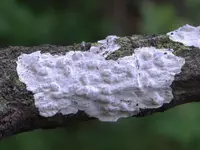
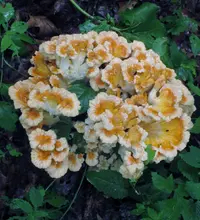
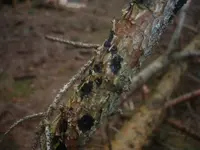
Diamond willow fungus, Haploporus odorus, is a perennial bracket fungus rather than a typical leafy plant. It forms thick, hoof-shaped shelves on dead or dying willow trunks and branches, often with a pale, rough surface and firm, woody texture.

This species is native to colder regions of North America and parts of Eurasia, where it plays a role in wood decay and forest nutrient cycling. Its slow, woody growth habit and need for specific host wood make it challenging to cultivate intentionally, so most people simply learn how to care for Diamond Willow Fungus in its natural setting.

It generally favors cool climates, clean air, and undisturbed, moist woodland conditions where suitable willow hosts are present.

Main Plant Requirements

Care Difficulty

Moderate Care

Light Preference

Partial Shade

Water Requirements

Moderate Water

Temperature Preference

Cool Climate

Hardiness Zone

2–6

Soil Texture

Loamy, Silty, Organic-rich

Soil pH

Acidic (5.5–6.5), Slightly acidic (6.5–7.0)

Soil Drainage

Moist but well-drained

Fertilization

Minimal (feed rarely)

Get Personalized Care Plan

Scan your plant to receive care tips personalized for your specific plant

Available on iOS and Android

How to Care for the Diamond Willow Fungus

Haploporus odorus, often found on living or dead willow, is adapted to low to moderate natural light in woodland conditions.

  • Provide dappled or filtered light similar to light under loose tree canopy, roughly 2–4 hours of soft morning sun with shade the rest of the day.
  • Avoid strong midday and afternoon sun, which can over‑dry the host wood and slow Diamond Willow Fungus development on exposed trunks or logs.
  • In summer, protect from direct open-sky exposure; in winter, thin canopy cover is acceptable as long as wood does not dry out or overheat from reflected sun.

Haploporus odorus depends on the moisture balance of its host wood rather than direct watering of the fungus itself.

  • Aim for host wood that stays evenly moist but not waterlogged; surface should feel slightly damp, not spongy or cracking dry.
  • Allow the outer 2–5 cm of surrounding soil or forest substrate to dry slightly before rewetting so the log does not sit in standing water.
  • In dry, warm periods, increase misting or gentle watering of soil and nearby ground; signs of chronic overwatering include sour odor and slimy wood, while deep fissures indicate prolonged drought stress.

This wood-decay fungus prefers cool to mild conditions typical of temperate forests.

  • Target 50–68°F (10–20°C) for most growth; steady cool temperatures support stable fruiting and slower wood decomposition.
  • Short exposures down to 23–28°F (-5 to -2°C) are usually tolerated on established hosts, but prolonged hard frost can slow or pause visible activity.
  • Sustained heat above 77°F (25°C), especially when combined with dry air, can desiccate the host wood; provide shade and moisture during hot summers and accept a more dormant phase in winter cold.

This fungus has modest humidity needs and tolerates a wide range if air is not extremely dry.

  • Aim for 40–60% relative humidity, similar to most temperate indoor environments.
  • It tolerates short periods of drier air, but prolonged <30% humidity can slow growth of Diamond Willow Fungus.
  • Watch for cracked, overly hardened fruiting bodies as a sign of low humidity stress and increase humidity with a nearby water tray or room humidifier.

Haploporus odorus naturally grows on wood, so mimic a coarse, woody, well-aerated substrate rather than standard potting soil.

  • Use a mix based on hardwood sawdust or fine wood chips blended with some coarse bark and a small amount of peat or coco coir.
  • Keep the substrate airy and fast-draining; it should feel springy and fibrous, never compacted or waterlogged.
  • Maintain a slightly acidic to neutral reaction, roughly pH 5.5–7.0, which suits most wood-decaying fungi.
  • Avoid dense garden soil, heavy clay, or mixes rich in undecomposed manure, which can suffocate mycelium and encourage competing molds.

This species is only moderately suitable for container growing because it requires a stable log or block substrate rather than a typical potting setup.

  • Use a deep, heavy container that securely holds the inoculated log or sawdust block so it cannot tip when fruiting bodies develop.
  • Select a container material that insulates slightly, such as thick plastic or wood, to buffer rapid moisture and temperature swings in the substrate.
  • Elevate the container on slats or bricks so air can move around it, reducing stagnant moisture that favors contaminant fungi at the base.

Haploporus odorus, known as Diamond Willow Fungus, typically grows on host trees and gains nutrients from the wood, so added fertilizer is unnecessary.

Pruning Haploporus odorus is usually limited to safety and cosmetic reasons rather than plant health.

  • Carry out any removal in late winter or early spring when growth is slow and fungal activity is reduced.
  • Cut away dead, decayed, or dangerously protruding brackets using a clean, sharp pruning saw.
  • Avoid cutting into sound structural wood more than necessary to prevent weakening the host tree.
  • Disinfect tools before and after use to reduce spread of other fungi or pathogens.

This bracket fungus is not suited to normal pot culture, so care focuses on relocating colonized wood rather than repotting.

  • Transplant only if the colonized branch or log is unsafe or needs repositioning, since disturbance can slow growth.
  • Best timing is late fall or winter when the fungus is less active and ambient temperatures are cool.
  • Move the entire section of infected wood intact, keeping it shaded and at similar moisture levels to reduce stress.
  • Place the wood on a stable, well-ventilated support, avoiding waterlogged soil contact that might trigger rot in the substrate.

Propagation of Haploporus odorus is specialized and usually left to experienced mycologists or conservation projects.

This species is naturally cold hardy in its native range and usually needs no special winter care when growing on outdoor host trees.

Care Tips

Select Proper Host

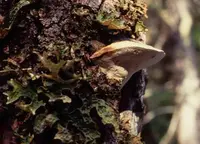
Choose healthy, mature willow trunks or large branches with intact bark, since this fungus establishes best on stable, undisturbed host wood with minimal existing decay competition.

Create Clean Inoculation Sites

When inserting spawn or plugs, drill clean holes into freshly cut or recently exposed sapwood, then brush away sawdust so the mycelium contacts bare wood rather than loose debris.

Limit Competing Fungi

Before inoculation, remove loose bark and any visibly colonized, punky, or moldy sections of wood to reduce competition from existing fungi and improve colonization success when growing Diamond Willow Fungus.

Stabilize Moisture Levels

Place inoculated logs or trunks on raised supports (bricks, pallets, or rails) so they do not sit in standing water while still maintaining shaded, evenly moist surroundings that prevent the wood from drying out.

Monitor With Minimal Disturbance

Inspect inoculated sites only a few times per season for contamination or damage, avoiding frequent handling or peeling bark so the developing mycelium remains protected inside the wood.

Common Pests and Diseases

Wood-boring beetles

These insects tunnel into dead or decaying willow wood where the fruiting bodies develop, creating galleries that can distort or consume the fungus tissue. Symptoms include crumbly, tunneled brackets and fine sawdust-like frass in and around the fungus.

Solution

Remove and discard heavily tunneled brackets and visibly infested wood to reduce beetle numbers, and store collected Diamond Willow Fungus in dry, well-ventilated conditions so it cures quickly and becomes less attractive to wood borers. For managed harvest sites, cutting and promptly drying logs under cover or indoors also limits beetle attack on newly forming fruiting bodies.

Slugs and snails

These pests rasp and graze the soft outer surface of young brackets, leaving irregular bite marks and slime trails on and around the fruiting bodies. Damage can make the fungus more prone to secondary decay and reduce quality for harvest.

Solution

Hand-pick slugs and snails during damp periods and reduce hiding spots by clearing dense ground litter near fruiting logs. Where harvesting is planned, elevate cut logs on racks or pallets and use copper barriers or iron phosphate bait around storage areas to limit further grazing.

Secondary mold colonization

This disease occurs when opportunistic molds colonize harvested or overly damp brackets, leading to surface fuzz, discoloration, and a musty odor. Symptoms include softened texture and patchy white, green, or gray growth that can eventually cover the fruiting body.

Solution

Dry harvested brackets quickly at 86–104°F with strong airflow and low humidity to prevent mold development, and discard any parts that show active mold growth. Store fully dried material in breathable containers in a cool, dry place; if fresh specimens must be held, refrigerate them in paper rather than sealed plastic to avoid condensation and excess moisture.

Interesting Facts

Strong anise aroma

Fresh fruit bodies of this bracket fungus release a pronounced anise-like scent when cut or bruised, which is unusual among polypores and makes it easy to recognize in the field.

Northern willow specialist

This species grows mainly on dead or dying willow trunks and branches in cool, northern climates, especially in boreal and subarctic regions of Europe and North America.

Thick-walled spores

Its basidiospores are thick-walled and ornamented under the microscope, a diagnostic feature that helps mycologists distinguish it from similar pale, resupinate polypores.

Botan icon

Did you know?

Haploporus odorus is considered rare across much of its range and is listed on regional red lists in several European countries due to habitat loss and the decline of old, unmanaged willow stands.

FAQs about Diamond Willow Fungus

The fruiting body is considered inedible as food due to its hard, corky texture, but it is traditionally used in some regions as a medicinal or aromatic fungus. Always confirm identification with a local expert before any use.

Grow Healthy Plants with Botan Care

Keep your plants happy and healthy with plant identification, disease detection, and easy care guidance.

Botan plant care app — identify plants on mobile

Explore More Plants