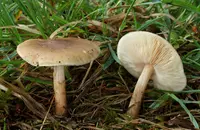
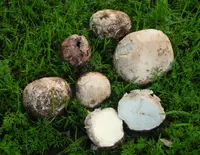
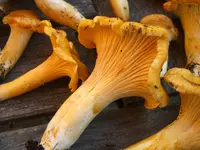
birch jelly Care (Exidia repanda)

birch jelly

About birch jelly

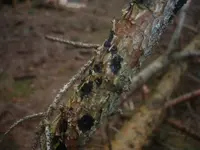
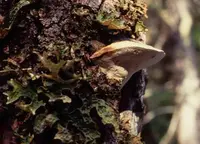
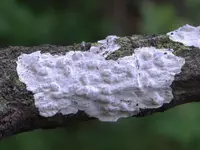
Birch jelly (Exidia repanda) is a jelly-like fungus that forms soft, irregular patches on dead birch branches and twigs. It is not a typical houseplant but can be observed or cultured by fungus enthusiasts. The fruiting bodies are usually translucent to pale brown, with a gelatinous texture that swells in wet weather and shrinks as it dries. This species occurs mainly in temperate forests of Europe and parts of North America, where it helps decompose dead wood. It is relatively easy to maintain in a suitable outdoor habitat, but harder to manage indoors due to specific moisture and wood requirements. Anyone wanting to learn how to care for birch jelly should focus on providing constant humidity and decaying birch wood.

Main Plant Requirements

Care Difficulty

Moderate Care

Light Preference

Partial Shade

Water Requirements

Keep Soil Moist

Temperature Preference

Cool Climate

Hardiness Zone

5–9

Soil Texture

Loamy, Silty, Organic-rich

Soil pH

Acidic (5.5–6.5)

Soil Drainage

Waterlogged tolerant

Fertilization

Minimal (feed rarely)

Get Personalized Care Plan

Scan your plant to receive care tips personalized for your specific plant

Available on iOS and Android

How to Care for the birch jelly

This jelly fungus prefers cool, shaded woodland light similar to its natural birch host environment.

  • Provide dappled or filtered light under trees or shrubs, avoiding direct sun for more than 1–2 hours, especially at midday.
  • Partial to full shade is suitable; 1–3 hours of gentle morning sun is acceptable, but strong afternoon sun can dry and toughen birch jelly fruiting bodies.
  • In summer, deeper shade helps retain moisture, while in late autumn and winter increased indirect light is acceptable as long as substrates stay damp.

Moisture availability in the wood substrate is more important than surface watering for this jelly fungus.

  • Keep host wood consistently damp but not submerged; moisture should penetrate several cm into the log or branch without standing water around it.
  • Increase moisture in dry, warm periods by soaking or thoroughly hosing the wood when it feels light and dry, then letting excess water drain away.
  • Reduce soaking frequency in cool, wet seasons to avoid stagnant conditions; signs of excess water include foul odor or slimy, rotting wood rather than firm, elastic Exidia repanda tissue.

Stable cool to mild temperatures support reliable fruiting and long-lasting jelly structures.

  • Best development occurs around 45–65°F (7–18°C), typical of cool, moist woodland conditions in autumn and early spring.
  • Fruiting bodies usually tolerate brief drops to about 25°F (−4°C), often shriveling and then rehydrating, but hard, prolonged freezes can damage soft tissue.
  • Heat above 80°F (27°C), especially with low humidity, causes shriveling and dormancy; provide shade and moisture during hot spells and expect reduced activity in midsummer.

Humidity is not a major factor for Exidia repanda when grown on its natural outdoor hosts.

Exidia repanda grows on decaying wood rather than in soil, so substrate choice focuses on wood condition and moisture retention, not traditional soil structure.

  • Use well-rotted hardwood logs or thick branches with a spongy, moist interior instead of any soil-based medium.
  • Keep the wood consistently damp but not waterlogged by periodic soaking or heavy misting, then allowing surface moisture to drain off.
  • Avoid treated, painted, or resinous woods, which can inhibit fungal colonization and slow the spread of fruiting bodies.
  • Maintain a shaded, cool position so the wood substrate does not dry and crack, which would reduce moisture available for fungal growth.

This species is not well suited to typical container growing, as it requires colonized wood rather than a potting medium.

Exidia repanda growing on nutrient-rich, decaying wood usually needs no added fertilizer in cultivation or in situ.

Pruning Exidia repanda is generally unnecessary, as it naturally colonizes and decomposes dead wood without forming woody stems or foliage.

This wood-inhabiting jelly fungus is seldom potted, so focus on careful positioning and replacement of its woody substrate rather than classic repotting.

  • Transplant only when moving colonized wood to a new, similar site with comparable shade, moisture, and host wood type.
  • Choose mild, moist weather for moves, avoiding hot, dry, or freezing periods that desiccate the gelatinous fruiting bodies.
  • Handle the log or branch gently, keeping bark intact and minimizing vibration or shock that might dry or detach fungal tissue.
  • After relocation, maintain steady moisture around the wood without waterlogging to limit stress on the mycelium, the main fungal body.

Propagation of this jelly fungus is typically left to natural spore dispersal and colonization processes rather than controlled home methods.

This temperate jelly fungus is naturally cold hardy and typically needs no special winter care beyond stable habitat conditions.

Care Tips

Use hardwood chunks

Place well-rotted birch or other non-resinous hardwood chunks on the substrate surface to provide extra colonization sites and extend the productive life of the culture.

Refresh substrate cycles

Every 12–18 months, introduce a fresh batch of pasteurized hardwood chips or logs and gradually retire the oldest material to keep the colony vigorous and reduce contamination buildup.

Control competing fungi

Inspect the wood regularly and promptly remove pieces heavily colonized by aggressive competitors such as Trametes or Penicillium, then replace them with clean, freshly prepared hardwood.

Optimize moisture gradients

Stack wood pieces so that some are slightly raised above the wettest surface layer, creating a gradient from moist to damp that allows the fungus to occupy its preferred zones and prevents waterlogging.

Seasonal ventilation tweaks

In cool, damp seasons, increase air movement and briefly open covers or lids daily to vent excess moisture and spores, which stabilizes conditions when caring for birch jelly in enclosed setups.

Common Pests and Diseases

Slime molds

This disease appears as slimy, often brightly colored patches that form on or near the jelly bodies after prolonged wet, stagnant conditions. Symptoms include surface smearing, off odors, and rapid breakdown of the fruiting tissue.

Solution

Remove and discard heavily affected jelly bodies and nearby decaying debris, then improve air movement around the colony and avoid excessive overhead wetting in cultivation setups. In outdoor or log-based growing systems, thin surrounding vegetation or spacing to let the surface dry more quickly between rains, which helps prevent recurrence when trying to grow Exidia repanda.

Competing wood-decay fungi

This problem occurs when other bracket or crust fungi colonize the same log or branch, outcompeting and eventually replacing the birch jelly colonies. Symptoms include new, harder or more fibrous fungal growths forming where jelly fruiting bodies used to appear.

Solution

Cut away and discard sections of wood that are dominated by competing fungi, leaving only portions where birch jelly still fruits reliably. For planned cultivation, start with freshly cut, clean birch or similar hardwood and inoculate promptly so Exidia establishes before other wood-decay fungi gain a foothold.

Fungivorous springtails

These insects are tiny, jumping arthropods that graze on the outer surface of jelly fruiting bodies, sometimes leaving a pitted or roughened texture. Symptoms include very small moving dots on the jelly and fine surface scarring, especially in very damp setups or terrariums.

Solution

Increase ventilation and slightly reduce constant surface moisture so the substrate is damp but not waterlogged, which discourages large springtail populations. If populations remain high in indoor culture, gently rinse the jelly bodies with clean water and refresh the substrate, removing excess decaying organic material that feeds the insects.

Interesting Facts

Preference for birch bark

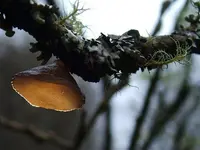
This jelly fungus is most often found on the dead or fallen branches of birch trees, indicating a strong substrate preference that helps fungi specialists recognize it in the field.

Soft yet resilient texture

Fresh fruitbodies have a soft, gelatinous consistency that can shrivel and harden during dry periods, then rehydrate and return to a jelly-like form when moisture returns.

Cold-season fruiting

In many temperate regions it tends to fruit during cooler, wetter months, taking advantage of low temperatures and high humidity when bacterial and insect competition is reduced.

Botan icon

Did you know?

This species has been reported primarily from northern and boreal regions, and some mycologists consider it an indicator of relatively undisturbed birch woodland habitats where dead wood is allowed to remain and decompose naturally.

FAQs about birch jelly

This jelly fungus is considered inedible. The texture is rubbery and unpalatable, and it offers no culinary value. It should not be collected as food, and any look-alike fungi must never be eaten without expert identification.

Grow Healthy Plants with Botan Care

Keep your plants happy and healthy with plant identification, disease detection, and easy care guidance.

Botan plant care app — identify plants on mobile

Explore More Plants