White Brain Care (Exidia thuretiana)

White Brain

About White Brain

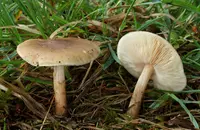
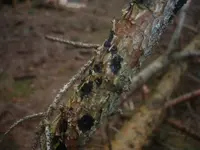
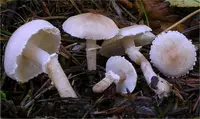
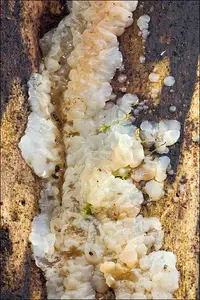
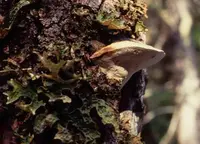
White brain, Exidia thuretiana, is a small jelly fungus rather than a leafy plant. It forms soft, brain-like white cushions that often merge into irregular patches. These fruiting bodies usually appear on dead or decaying hardwood, especially beech, in cool, damp forests. The species is native to Europe but may be encountered in similar temperate regions where suitable host wood and moisture are present. Its reliance on consistently moist, shaded wood makes it challenging to cultivate deliberately. Gardeners who want to care for White Brain usually focus on maintaining humid, shaded spots with rotting logs rather than treating it like a typical houseplant.

Main Plant Requirements

Care Difficulty

Moderate Care

Light Preference

Partial Shade

Water Requirements

Keep Soil Moist

Temperature Preference

Cool Climate

Hardiness Zone

5–9

Soil Texture

Loamy, Silty, Organic-rich

Soil pH

Acidic (5.5–6.5), Slightly acidic (6.5–7.0)

Soil Drainage

Moist but well-drained

Fertilization

Minimal (feed rarely)

Get Personalized Care Plan

Scan your plant to receive care tips personalized for your specific plant

Available on iOS and Android

How to Care for the White Brain

This wood-inhabiting jelly fungus prefers low to moderate light that mimics a shaded woodland setting.

  • Provide bright shade or dappled light, such as beneath deciduous trees, avoiding direct midday sun that can dry and shrink White Brain fruiting bodies.
  • Aim for filtered light or weak morning sun of about 1–3 hours, with the rest of the day in partial to full shade to maintain substrate moisture.
  • In summer, shield from strong afternoon sun; in winter, increased light through bare branches is acceptable as long as wood stays moist.

Exidia thuretiana needs consistently moist wood rather than direct watering of the fruiting bodies.

  • Maintain evenly moist, not waterlogged, substrate; in managed settings, rehydrate logs when the outer 2–5 cm feel dry or the surface appears dull and shrunken.
  • Avoid standing water or poorly drained spots, which encourage competing fungi and bacterial rot on the wood habitat of Exidia thuretiana.
  • During warm, dry periods, increase misting or gentle soaking frequency, and reduce in cool, damp seasons, watching for firm, gelatinous, not brittle or slimy, fruiting bodies.

This species is adapted to cool to mild woodland climates with marked seasonal variation.

  • Optimal active growth and fruiting occur around 45–68°F (7–20°C), especially during cool, moist weather in autumn and early spring.
  • It tolerates lows near 23°F (-5°C), with fruiting bodies shriveling or freezing but often rehydrating and resuming activity when temperatures rise above freezing.
  • Prolonged heat above 77–86°F (25–30°C) with dryness reduces fruiting; provide extra shade and moisture in hot spells and protect substrate from extreme freeze–thaw cycles.

This wood-decay fungus prefers consistently damp air but tolerates a fairly wide outdoor humidity range if its substrate stays moist.

  • Target 70–95% humidity by positioning fruiting logs in sheltered, naturally humid spots such as shaded woodland edges or near water features.
  • Accepts temporary drops to 50–60% humidity if wood moisture remains high, but prolonged dry winds shrink and harden the jelly-like fruit bodies.
  • Humidity stress shows as flattened, shrunken, or crisp edges; increase ambient humidity by mulching the log and using windbreaks or light misting when conditions are very dry.

This species does not grow in conventional potting soil but on decaying hardwood, so focus on wood type and moisture rather than mineral soil.

  • Use sound but well-decayed hardwood logs or thick branches from species like beech, oak, or ash, avoiding resinous conifers that inhibit Exidia thuretiana.
  • Keep the wood consistently moist but not submerged; partial burial in leaf litter or loose composted bark helps retain moisture while allowing air movement.
  • Maintain a slightly acidic to neutral environment around the log (roughly pH 5.5–7) by using leaf mold, hardwood bark, or forest-duff style organic matter.
  • Avoid compacted garden soil, standing water, or plastic sheeting directly over the log, as these reduce aeration and can favor competing fungi or rot.

This fungus is only marginally suitable for container growing and performs better on naturally placed outdoor logs than in pots.

  • If attempted, sink a hardwood log vertically into a deep, heavy container filled around the sides with loose bark or leaf mold to stabilize it without waterlogging.
  • Choose a wide, low container profile to reduce tipping risk once the log becomes top-heavy with moisture and fruit bodies after rain.
  • Ensure side drainage holes so excess rainwater drains away from the log base while the surrounding organic fill stays evenly damp, not saturated.

Exidia thuretiana (White Brain) is a saprophytic fungus that usually gains enough nutrients from decaying wood and does not require additional fertilizer.

Pruning Exidia thuretiana is generally unnecessary, as it fruits directly from decaying wood and does not form a traditional plant structure.

Transplanting Exidia thuretiana focuses on moving colonized wood rather than handling roots or standard potting situations.

  • Shift colonized logs or branches only when necessary, such as when the substrate is heavily decomposed or unstable.
  • Carry out moves during cool, moist periods in spring or fall to reduce drying and shock.
  • Cut and relocate only sections clearly bearing the fungus, keeping the wood surface intact.
  • Place the wood onto a new shaded, humid site and avoid scraping or washing, which can damage the fungal network.

Propagation of Exidia thuretiana is specialized and typically handled by mycologists or advanced hobbyists rather than casual growers.

This wood-inhabiting jelly fungus is naturally cold hardy and usually needs no specific winter care in outdoor settings.

Care Tips

Use Correct Substrate

Attach the fungus to freshly cut, bark-on hardwood logs or branches (e.g., beech, oak, maple) that are free of fungicides and heavy decay, since this provides the stable cellulose-rich substrate it needs to fruit well.

Maintain Log Moisture

To keep fruiting bodies forming, periodically hose down or soak colonized wood during dry spells and position it where it can stay evenly damp but not submerged in standing water.

Shade And Air Balance

Place inoculated wood in deep shade with good air movement, such as on a shaded rack or raised bricks, to reduce desiccation while limiting stagnant, disease-prone conditions.

Encourage Natural Inoculation

If not inoculating with spawn, stack fresh hardwood off the ground near areas where the fungus already occurs, allowing natural spores to colonize the wood over time for low-intervention Exidia thuretiana care.

Monitor Competing Fungi

Inspect logs periodically and cut away heavily competing bracket or aggressive wood-decay fungi, or rotate in new hardwood pieces, so the colony has enough unclaimed wood to continue growing White Brain effectively.

Common Pests and Diseases

Parasitic fungi

This disease involves other fungi colonizing the jelly-like fruit bodies, causing discoloration, surface mold, and rapid collapse. Symptoms include white, gray, or green fuzzy growth over the natural translucent tissue.

Solution

Remove and discard affected fruit bodies as soon as they are seen, and avoid injuring nearby tissue to limit entry points. Improve airflow, reduce overcrowding of wood pieces, and avoid overhead watering in cultivation setups to keep the surface slightly drier and slow spread.

Bacterial soft rot

This disease causes the fruit bodies to become watery, foul-smelling, and to disintegrate quickly, often starting at damaged or bruised areas. Symptoms include slimy patches and an unpleasant odor on or around the jelly masses.

Solution

Cut away and dispose of any affected tissue and the most decayed parts of the host wood, then improve ventilation and reduce constant surface wetting. In culture or display conditions, use cleaner water sources and rinse away decaying material to reduce bacterial load and support healthier Exidia thuretiana care instructions.

Slugs and snails

These pests feed on the gelatinous tissue, leaving ragged edges, missing patches, and slime trails on the wood and around the fruit bodies. This pest is most active in cool, damp, shaded conditions where the fungus naturally grows.

Solution

Hand-pick slugs and snails during cool, moist periods and remove nearby hiding places such as dense leaf litter or boards resting on the ground. In managed beds or logs, use copper barriers, physical traps, or beer traps placed away from the main fruiting area to lower feeding damage without contaminating the fungus.

Mite feeding

These insects are tiny arthropods that graze on the surface of the jelly fungus, creating pitted areas, fine speckling, or dull, rough patches. Symptoms include uneven texture and small areas of dry or scarred tissue on the fruit bodies.

Solution

Rinse the surface gently with clean water to dislodge mites, then lower overcrowding of fruiting logs or containers to reduce humidity pockets that favor buildup. In controlled culture, maintain good air circulation and avoid storing pieces of infested organic debris close to the fungus to limit reinfestation.

Interesting Facts

Gelatinous winter fruiting

This jelly fungus typically fruits in cool, damp conditions and is often most visible in late autumn and winter, forming small white to translucent brain-like masses on dead hardwood branches.

Specialized wood decomposer

It is a saprotrophic fungus, meaning it feeds on dead wood and bark, playing a role in breaking down lignin- and cellulose-rich tissues on fallen or attached branches of broadleaf trees.

Distinctive waxy texture

The fruitbodies have a firm, gelatinous to waxy consistency that becomes tougher and more opaque when dry, then swells back to a translucent, brain-like appearance after rain or high humidity.

FAQs about White Brain

This jelly fungus is considered inedible. The texture is rubbery and unpalatable, and it offers no culinary value. It is not known to be dangerously toxic, but it should not be collected for food.

Grow Healthy Plants with Botan Care

Keep your plants happy and healthy with plant identification, disease detection, and easy care guidance.

Botan plant care app — identify plants on mobile

Explore More Plants