Drakensberg Sheepfig Care (Delosperma lavisiae)

Also known as: Drakensberg Vygie
Drakensberg Sheepfig

About Drakensberg Sheepfig

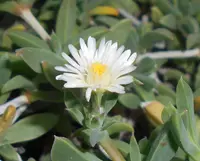
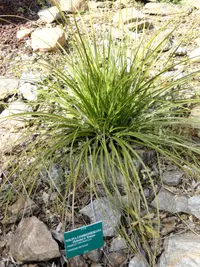
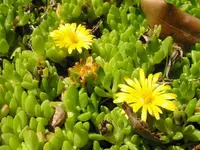
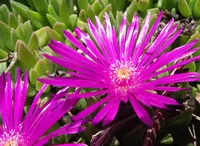
Drakensberg Sheepfig, Delosperma lavisiae, is a small, mat-forming succulent from the high-altitude grasslands of the Drakensberg mountains in southern Africa. It belongs to the ice plant group, known for fleshy leaves that store water and star-shaped flowers. This species forms dense cushions of tiny, finger-like leaves and produces bright pink to purple blooms that attract pollinators. It is adapted to strong sun, cool nights, and rocky, sharply drained soils. These traits make it drought tolerant but sensitive to poor drainage and prolonged winter wet. Gardeners who learn how to care for Drakensberg Sheepfig usually find it straightforward in rock gardens, containers, or troughs with plenty of light and fast-draining soil.

Main Plant Requirements

Care Difficulty

Easy Care

Light Preference

Full Sun

Water Requirements

Low Water

Temperature Preference

Cold Hardy

Hardiness Zone

5–9

Soil Texture

Sandy, Loamy, Rocky

Soil pH

Slightly acidic (6.5–7.0), Neutral (7.0)

Soil Drainage

Well-drained

Fertilization

Minimal (feed rarely)

Get Personalized Care Plan

Scan your plant to receive care tips personalized for your specific plant

Available on iOS and Android

How to Care for the Drakensberg Sheepfig

This alpine ice plant thrives in bright, direct sun for compact growth and heavy flowering.

  • Provide 6–8 hours of full sun daily; morning and midday sun are ideal, with only light afternoon shade in very hot climates.
  • In cooler climates, plant in an open, south- or west-facing spot; in hotter regions, give 2–4 hours of late-afternoon filtered light to reduce stress.
  • Insufficient sun causes lanky stems and sparse blooms, while reflected heat from walls or rock can benefit Drakensberg Sheepfig if soil does not overheat.

This succulent prefers infrequent, deep watering and very fast-draining soil.

  • Water only when the top 3–5 cm of soil are completely dry, then soak the root zone once and allow excess to drain away.
  • Use sharply drained, sandy or gritty soil; standing water or heavy clay greatly increases risk of root rot in Delosperma lavisiae.
  • In spring and summer, expect more frequent watering during dry spells; in fall and winter, water sparingly and watch for shriveling leaves as a sign of underwatering.

This hardy groundcover tolerates significant cold but grows best in moderate warmth.

  • Optimal growth occurs around 65–80°F (18–27°C), with warm days and cooler nights supporting dense foliage and flowering.
  • Established plants can survive down to about 0°F (-18°C) in well-drained soil, but prolonged freeze–thaw cycles in wet ground increase crown loss.
  • In summer, it handles 90–95°F (32–35°C) if soil is gritty and dry between waterings; brief heat spikes above this may cause temporary wilting but usually recover.

This alpine succulent prefers dry air and does not need extra humidity indoors or outdoors.

  • Aim for 30–50% humidity, similar to typical indoor air, without misting or humidifiers.
  • Plant in a breezy, open spot so foliage dries quickly after rain or watering, reducing moisture stress.
  • Watch for soft, waterlogged leaves or rot at the base, which usually comes from trapped moisture rather than low humidity.

This species needs very fast-draining, gritty soil to prevent root and stem rot.

  • Use a sandy, gravelly mix such as 50–60% coarse sand or grit with 40–50% cactus potting mix for structure and nutrients.
  • Aim for slightly acidic to neutral pH around 6.0–7.0, which supports nutrient uptake without stressing succulent roots.
  • In heavy or clay garden soil, create a raised bed with added sharp sand and small gravel to improve drainage and aeration.
  • Avoid dense, peat-heavy or water-retentive mixes, since prolonged saturation quickly damages Delosperma lavisiae roots.

This mat-forming succulent is well suited to container growing on sunny patios, rock gardens, or balconies.

  • Choose a wide, shallow pot so the spreading roots and stems can form a stable mat without water pooling in depth.
  • Select unglazed terracotta or similarly porous material to help excess moisture evaporate quickly from the root zone.
  • Elevate the container on pot feet or bricks so drainage holes stay clear and runoff leaves the pot rapidly, especially after heavy rain.

This drought-tolerant succulent needs only light feeding, so caring for Drakensberg Sheepfig focuses more on sun and drainage than fertilizer.

  • Use a balanced, low-strength liquid fertilizer (around 10-10-10) at 1/4–1/2 label dilution in spring and early summer.
  • Apply no more than once every 4–6 weeks during active growth, always on moist soil to avoid root burn.
  • Skip feeding in late fall and winter when growth slows or stops, especially in cool conditions.
  • In poor soils, a thin top-dressing of fine compost in spring can support flowering without excessive lush growth.

Delosperma lavisiae benefits from light, targeted pruning to keep mats dense and flowering well.

  • Best time for pruning is late spring to mid-summer, after the main flush of flowers begins to fade.
  • Pinch or clip off spent flower stems and any yellowed or damaged shoots to keep the plant tidy.
  • Thin crowded or leggy sections by cutting stems back by 1/3 to encourage compact, branching growth.
  • Use clean, sharp scissors or small pruners, and avoid cutting into woody crowns or removing entire healthy clumps.

This ice plant prefers to stay undisturbed, so transplant only when necessary or when improving drainage.

  • Look for roots circling the pot, water running straight through, or noticeably slowed growth as signs it needs a larger container or better soil.
  • Plan repotting or outdoor transplanting for spring, once frost risk has passed and new growth is starting.
  • Move up only 1 pot size, using a gritty, well-drained mix, and keep the crown level with the previous soil line.
  • Handle roots gently, backfill with dry or barely moist mix, and shade lightly for a few days to reduce transplant stress.

Delosperma lavisiae is commonly propagated to create low, flowering carpets in sunny, dry sites.

  • Softwood stem cuttings in late spring–summer root well when placed in a coarse, barely moist succulent mix.
  • Take 5–7 cm cuttings, remove lower leaves, let wounds dry for 1–2 days, then insert shallowly into the medium.
  • Keep cuttings warm (65–75°F) with bright, indirect light and very light misting until roots develop.
  • Division of small clumps in spring, replanting offsets into free-draining soil, also establishes new plants reliably.

This species is fairly cold hardy but still benefits from some winter attention in wetter or colder regions.

  • Healthy plants tolerate light frost if soil drains sharply and does not stay waterlogged.
  • In colder climates, apply a thin gravel mulch around crowns to keep foliage off wet winter soil.
  • For containers in zones with hard freezes, move pots to an unheated but frost-free, very bright spot and water sparingly.
  • Avoid heavy organic mulches that trap moisture around stems, which can lead to rot in cold weather.

Care Tips

Encourage Dense Mats

Pinch or lightly shear back lanky stems after flowering to stimulate side shoots and create a thicker, more weed-suppressing mat over time.

Winter Drainage Upgrade

In areas with wet winters, top-dress around the clumps with a 1–2 in layer of coarse grit or small gravel in fall to keep stem bases dry and reduce crown rot losses.

Propagation By Division

Every 3–4 years, lift and gently divide congested mats in early spring, replanting healthy rooted sections at the same depth to refresh vigor and quickly spread plants into new crevices or pockets.

Rock Crevice Placement

Tuck small rooted pieces into narrow rock crevices or along retaining wall edges where water runs off quickly, which mimics the plant’s natural habitat and helps stabilize the soil.

Heat And Sun Acclimation

When moving nursery plants into a very hot, exposed site, increase sun exposure over 7–10 days to avoid leaf scorching and help establish strong growth for growing Drakensberg Sheepfig.

Common Pests and Diseases

Mealybugs

This pest feeds on sap and hides in leaf joints and along stems, often appearing as white cottony clusters. Symptoms include stunted growth, distorted new leaves, and sticky honeydew on nearby surfaces.

Solution

Isolate the plant, then dab visible mealybugs with cotton swabs dipped in 70% isopropyl alcohol and repeat weekly until no new insects appear. For larger infestations, rinse the plant thoroughly with a strong but controlled stream of water, allow it to dry quickly, then apply an insecticidal soap or neem oil spray labeled for succulents, ensuring good air circulation afterward.

Aphids

These insects cluster on tender new shoots and flower stems, sucking sap and causing curling or yellowing of young growth. Sticky honeydew and sooty mold may develop on affected areas.

Solution

Blast aphids off the plant with a firm stream of water, focusing on new growth and flower stems, and repeat every few days as needed. If populations persist, use insecticidal soap or a light neem oil spray in the early morning, ensuring the plant dries rapidly to avoid prolonged leaf surface moisture.

Spider mites

This pest thrives in hot, dry conditions, causing tiny pale speckles on leaves, leaf dulling, and fine webbing between stems. Symptoms include slow decline and a dusty appearance on foliage.

Solution

Increase local humidity slightly around the plant without keeping the soil wet, then hose off the foliage, paying attention to the undersides of leaves. Follow with a miticide or neem oil product labeled for spider mites, applied in repeated intervals as directed, and avoid water stress, which encourages mite buildup.

Fungal leaf spots

This disease appears as small brown, purple, or tan spots on fleshy leaves, sometimes with a darker margin, often after prolonged wet or humid conditions. Symptoms include gradual spotting, yellowing, and premature leaf drop on lower parts of the mat.

Solution

Remove and discard affected leaves and any fallen debris, then ensure the plant has full sun, fast-draining soil, and no overhead watering, especially in the evening. Improve spacing and airflow, water at soil level, and if the problem continues, apply a sulfur or copper-based fungicide according to label directions for outdoor succulents.

Crown and stem rot

This disease affects the plant base and lower stems in poorly drained or waterlogged soil, leading to soft, dark, mushy tissue and sudden collapse of sections of the mat. Symptoms include rapid dieback from the center or low points in the planting area.

Solution

Promptly cut out and discard all soft, discolored tissue, taking some healthy margin, and improve drainage by amending soil with mineral grit or planting on a raised mound or rock garden. Avoid frequent watering, especially in cool weather, and in regions with wet winters, consider providing a slight slope or gravel mulch around the crown to shed excess moisture and support long-term Delosperma lavisiae plant care.

Interesting Facts

High Drakensberg native

This species is naturally restricted to the high-altitude Drakensberg region of South Africa and Lesotho, where it grows in exposed, rocky grasslands with cold, snowy winters and strong sun.

Frost-hardy ice plant

Unlike many other ice plants, this species tolerates substantial frost and snow when soils are sharply drained, reflecting its adaptation to cold alpine conditions rather than mild coastal habitats.

Succulent mat former

It forms dense, low mats of small, flat, succulent leaves that store water and protect the plant from rapid dehydration and temperature swings in its mountain environment.

Botan icon

Did you know?

In its native Drakensberg habitat, this species often grows in thin soil pockets among rocks, where snowmelt and summer thunderstorms provide brief pulses of moisture that it must rapidly absorb and store to survive long dry, sunny periods.

FAQs about Drakensberg Sheepfig

This species performs best outdoors in rock gardens, raised beds, or troughs where it receives strong light and excellent drainage. Indoors it often becomes weak and leggy unless given very bright light and a gritty, fast-draining substrate.

Grow Healthy Plants with Botan Care

Keep your plants happy and healthy with plant identification, disease detection, and easy care guidance.

Botan plant care app — identify plants on mobile

Explore More Plants