seaside delosperma Care (Delosperma litorale)

Also known as: White Trailing Iceplant, Calcrete Sheepfig, Kalkklipvygie
seaside delosperma

About seaside delosperma

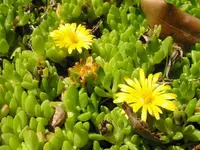
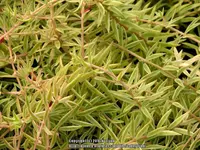
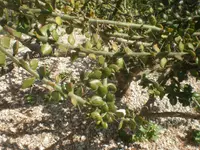
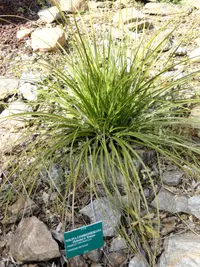
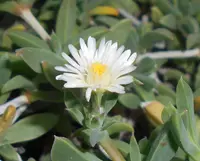
Seaside delosperma (Delosperma litorale) is a low, mat-forming succulent groundcover from coastal areas of southern Africa. It spreads across the soil surface with fleshy, cylindrical leaves. The plant produces small, daisy-like flowers that open in bright light, creating a dense, colorful carpet during its bloom period.

In nature it grows on sandy, rocky shores where drainage is very fast and salt exposure is common. These traits make it suitable for dry, poor soils and exposed, sunny sites.

Because it stores water in its leaves and tolerates drought, it is generally easy to maintain once established. Understanding how to care for seaside delosperma starts with providing strong light, sharply drained soil, and avoiding prolonged wet conditions.

Main Plant Requirements

Care Difficulty

Easy Care

Light Preference

Full Sun

Water Requirements

Low Water

Temperature Preference

Cold Hardy

Hardiness Zone

5–9

Soil Texture

Sandy, Loamy, Rocky

Soil pH

Slightly acidic (6.5–7.0), Neutral (7.0)

Soil Drainage

Well-drained

Fertilization

Minimal (feed rarely)

Get Personalized Care Plan

Scan your plant to receive care tips personalized for your specific plant

Available on iOS and Android

How to Care for the seaside delosperma

This coastal succulent thrives in bright, open exposures with long hours of sun.

  • Provide 6–8 hours of direct sun daily; morning and midday sun promote compact growth and abundant flowers in seaside delosperma.
  • Plant in a spot with full sun but allow light afternoon shade in very hot inland areas to reduce leaf scorch and bleaching.
  • In winter, maximize light by avoiding shade from buildings or shrubs, as plants in under 4–5 hours of sun become leggy and flower poorly.

This species is strongly drought-tolerant and needs careful, sparing watering once established.

  • Water only when the top 3–5 cm of soil are completely dry; in most outdoor beds this means deep, infrequent soakings rather than light splashes.
  • Ensure very sharp drainage with sandy or gravelly soil so water does not pool around roots, which quickly leads to rot and translucent, mushy leaves.
  • In the cooler months, reduce watering to almost none unless prolonged drought causes shriveling, wrinkled foliage, or obvious wilting during cooler mornings.

This ice plant prefers warm conditions but tolerates a considerable range once established outdoors.

  • Active growth and flowering occur around 65–80°F (18–27°C), with good performance in typical coastal and mild inland climates.
  • Mature clumps usually tolerate brief drops to about 10–15°F (-12 to -9°C) if soil is very well-drained and not waterlogged during freezes.
  • In hot summers up to 95–100°F (35–38°C), provide airflow and avoid reflected heat from walls or stone that can overheat shallow roots.

Humidity is rarely critical for Delosperma litorale, which prefers dry air conditions.

This coastal succulent needs very fast-draining, mineral soil to prevent root rot and maintain healthy growth.

  • Use a gritty, sandy mix such as 60–70% coarse sand or fine gravel blended with 30–40% cactus/succulent potting mix.
  • Ensure sharp drainage; raised beds or rock garden pockets help excess water exit quickly after rain or irrigation.
  • Aim for neutral to slightly alkaline pH, roughly 6.5–7.8, which matches its natural seaside habitats.
  • Avoid heavy clay, peat-heavy, or compacted substrates that stay wet longer than 1 day after watering or rainfall.

This species suits container growing when the pot is set up to drain and dry rapidly.

  • Choose a wide, shallow container to accommodate its mat-forming roots and prevent water lingering in deep soil zones.
  • Select unglazed terracotta rather than plastic if outdoor conditions are cool or humid, as it speeds evaporation and reduces rot risk.
  • Position the pot on feet or spacers so drainage holes never sit flat on a surface, allowing runoff to clear quickly after watering.

This coastal succulent needs only light feeding to maintain compact growth and flowering.

  • Apply a low-dose balanced NPK fertilizer (for example 5-5-5 or 10-10-10) once at the start of spring growth.
  • Use a diluted liquid feed at 25–50% strength on moist soil to avoid root burn.
  • In poor sandy soils, work a thin layer of compost into the top few cm rather than heavy fertilizing.
  • Reduce or stop feeding seaside delosperma in late fall and winter when growth is minimal.

Pruning for Delosperma litorale is mostly light grooming to keep mats dense and flowering well.

  • Best time is late winter to early spring before strong new growth begins.
  • Trim back dead, damaged, or winter-burned stems with clean scissors or hand pruners.
  • Lightly shorten leggy or sprawling shoots to encourage branching and a tighter, ground-hugging shape.
  • Shear off spent flower stems after the main bloom flush to promote a neater appearance and possible rebloom.

This species is usually grown in the ground, but container plants or new divisions benefit from careful transplanting.

  • Transplant or shift to a slightly larger pot in spring when roots circle the container or growth slows despite good care.
  • Plan on repotting every 2–3 years for container-grown plants to refresh the gritty, free-draining mix.
  • Lift plants with a wide trowel, keeping the shallow root system and soil clump as intact as possible to limit shock.
  • Water lightly after transplanting, then allow soil to dry between waterings to encourage new root growth without rot.

New plants are commonly produced from short stem cuttings and by gently dividing mature clumps.

  • Take 5–7 cm non-flowering stem cuttings in late spring or early summer and allow the cut end to dry for 1–2 days.
  • Insert cuttings into a sharply drained, sandy mix and keep in bright light with only light, infrequent watering.
  • Divide established mats in spring, replanting sections so that roots sit just below soil level in well-drained sites.
  • Sow seeds on the surface of gritty mix at 65–75°F, providing bright light and very light moisture until germination.

This ice plant is generally cold hardy but benefits from simple winter precautions, especially in containers.

  • In well-drained ground, most roots tolerate light frosts once plants are established.
  • Apply a thin gravel or stone mulch around crowns to keep foliage off wet, cold soil and reduce rot risk.
  • Move containers to a sheltered, bright, frost-free spot if prolonged freezes below its hardiness range are expected.
  • Keep soil on the dry side through winter, watering only enough to prevent complete desiccation.

Care Tips

Encourage Compact Growth

Pinch or lightly shear back long, straggly stems after flowering to keep mats dense, reduce lodging, and stimulate new flowering shoots.

Improve Winter Drainage

In cold or wet climates, plant on a slight mound or raised bed with added grit so excess winter moisture drains quickly away from the crown and roots.

Use Gravel Mulch

Apply a 1–2 in layer of coarse gravel or small stones around plants to keep foliage dry at the base, suppress weeds, and stabilize soil temperatures without trapping excess moisture.

Control Spreading Edges

Lift and trim back outer runners that creep into lawns or paths, replanting healthy segments where coverage is desired to gradually renew older, woody centers.

Monitor Salt Exposure

In coastal or road-side sites, periodically hose foliage and surrounding gravel on a dry, breezy day to rinse off accumulated salt and reduce leaf scorch while still growing seaside delosperma in challenging locations.

Common Pests and Diseases

Mealybugs

This pest feeds on succulent stems and leaf joints, sucking sap and leaving behind white, cottony clusters. Symptoms include stunted growth, yellowing, and sticky honeydew that can encourage sooty mold.

Solution

Remove heavily infested stems and pads, then dab visible insects with cotton swabs dipped in 70% isopropyl alcohol and repeat weekly until gone. For outdoor plantings, a strong stream of water helps dislodge insects, and horticultural soap or lightweight horticultural oil can be used in the cool part of the day, ensuring good coverage of joints and underside of stems.

Aphids

These insects cluster on tender new growth and flower stalks, extracting sap and causing curling, distortion, and reduced flowering. Honeydew deposits can attract ants and lead to black sooty mold on the foliage.

Solution

Spray plants with a firm stream of water to knock aphids off and disrupt colonies, repeating every few days during outbreaks. If needed, apply insecticidal soap to young shoots and flower stems in the early morning, and manage nearby ant activity to reduce re-infestation.

Spider mites

This pest is favored by hot, dry conditions and can cause fine stippling, dulling, and bronzing of the foliage. Symptoms include very fine webbing between stems and a generally dusty, weakened appearance of the mat-forming growth.

Solution

Increase humidity around container plants with occasional overhead rinsing, and hose down outdoor clumps to wash mites off the foliage. In persistent infestations, use horticultural oil or insecticidal soap, applied in the cooler part of the day and repeated according to label directions, making sure to coat both sides of stems and leaves.

Crown and stem rot

This disease appears in consistently wet or poorly drained conditions, leading to dark, soft, collapsing crowns and stems at soil level. Symptoms include sudden wilting, off-color foliage, and a mushy base even though the soil may seem only slightly damp at the surface.

Solution

Remove and discard all affected plant parts and improve drainage by amending soil with coarse sand or grit and avoiding overhead watering. Replant healthy sections in a raised, sharply drained bed or container and water deeply but infrequently, allowing the soil to dry well between waterings, which is central to effective Delosperma litorale care.

Leaf spot

This disease causes small, water-soaked or tan lesions on succulent leaves that may enlarge and cause localized tissue collapse. Symptoms include uneven patches of discolored foliage and premature leaf drop, particularly in humid or crowded plantings.

Solution

Remove and discard affected leaves to reduce inoculum, and avoid wetting the foliage when watering. Improve air circulation by thinning dense mats or spacing plants farther apart, and in recurring cases, apply a sulfur or copper-based fungicide labeled for succulents, following all label safety and timing directions.

Interesting Facts

Native Ligurian endemic

This ice plant is naturally restricted to a small stretch of rocky coastline in Liguria, northwestern Italy, where it grows in crevices and shallow sandy pockets close to sea level.

Salt‑spray tolerant succulent

The leaves store water and tolerate salty sea spray, allowing the plant to persist on exposed maritime cliffs that are too harsh for many non-succulent species.

Stabilizes coastal substrates

Its low, mat-forming growth and fibrous roots help bind thin soils and rock fissures, contributing to the stabilization of fragile coastal microhabitats while also creating tiny shelter zones for invertebrates.

FAQs about seaside delosperma

This species forms a low, spreading mat but is not usually aggressive in typical garden conditions. It spreads slowly by branching stems, staying within bounds if given moderate space and occasionally trimmed at the edges.

Grow Healthy Plants with Botan Care

Keep your plants happy and healthy with plant identification, disease detection, and easy care guidance.

Botan plant care app — identify plants on mobile

Explore More Plants