Fine Sheepfig Care (Delosperma lineare)

Fine Sheepfig

About Fine Sheepfig

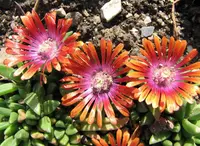
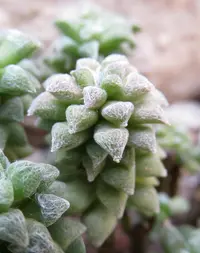
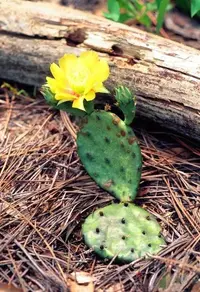
Fine sheepfig, Delosperma lineare, is a low-growing, mat-forming succulent often used as a groundcover in rock gardens and dry landscapes. It forms dense carpets of narrow, fleshy leaves that stay attractive most of the year.

In spring and summer, it produces bright, daisy-like flowers that attract pollinators and add strong color to sunny spots. The plant is native to South Africa, where it thrives in rocky, well-drained habitats with limited rainfall.

Its drought tolerance and preference for poor, sandy soil make it a suitable option for low-maintenance gardens, provided drainage is excellent. Understanding how to care for Fine Sheepfig mainly involves giving it plenty of sun and avoiding excess moisture.

Main Plant Requirements

Care Difficulty

Easy Care

Light Preference

Full Sun

Water Requirements

Low Water

Temperature Preference

Cold Hardy

Hardiness Zone

5–9

Soil Texture

Sandy, Loamy, Rocky

Soil pH

Slightly acidic (6.5–7.0), Neutral (7.0)

Soil Drainage

Well-drained

Fertilization

Minimal (feed rarely)

Get Personalized Care Plan

Scan your plant to receive care tips personalized for your specific plant

Available on iOS and Android

How to Care for the Fine Sheepfig

This low-growing succulent thrives in bright, direct sun for compact growth and abundant flowers.

  • Provide 6–8 hours of full sun daily; morning to early afternoon sun promotes dense foliage and flowering in Fine Sheepfig.
  • Tolerates light afternoon shade in very hot climates; in partial shade (3–4 hours sun) flowering and growth slow noticeably.
  • Monitor foliage color and stretching; pale, elongated stems indicate insufficient light, while scorched, brown patches suggest intense, reflected summer sun.

This drought-tolerant succulent prefers infrequent, deep watering and very fast-draining soil.

  • Allow the top 3–5 cm of soil to dry fully before watering again; in sandy ground this often means long intervals between soakings.
  • During active growth in spring and early summer, water thoroughly, then let excess drain away; reduce watering sharply in late fall and winter.
  • Watch for shriveling, wrinkled leaves as a sign to water soon, and for soft, translucent, or yellowing leaves as signs of overwatering in Delosperma lineare.

This hardy ice plant tolerates a wide temperature range but performs best in moderate warmth and dry conditions.

  • Ideal growing temperatures are 65–80°F (18–27°C) with dry air and well-drained soil, especially during spring and early summer.
  • Mature plants can tolerate brief drops to about 0–5°F (-18 to -15°C) in dry, well-drained sites, but prolonged wet cold increases rot risk.
  • Handles summer heat up to 95–100°F (35–38°C) if roots stay cool and soil drains quickly; avoid planting against heat-reflecting walls in very hot climates.

Delosperma lineare handles low humidity well and rarely needs special humidity control.

This drought-tolerant succulent needs very fast-draining, lean soil to prevent root rot.

  • Use a gritty, sandy mix, such as 50–70% coarse sand or fine gravel blended with cactus potting mix.
  • Aim for slightly acidic to neutral pH around 6.0–7.2, avoiding strongly acidic or alkaline substrates.
  • Improve drainage and aeration by adding mineral components like pumice or perlite rather than moisture-holding peat.
  • Avoid compacted, clay-heavy, or water-retentive soils, which keep roots wet and quickly damage Delosperma lineare.

This species is highly suitable for container growing, including shallow bowls and rock-garden troughs.

  • Choose a wide, shallow pot to match the surface-spreading roots and keep the mix drying evenly after watering.
  • Prefer unglazed terracotta if extra evaporation is needed, especially in regions with frequent rain.
  • Elevate the container slightly on pot feet or bricks so drainage holes never sit in standing water, which leads to rot in Fine Sheepfig.

This drought-adapted succulent needs only light feeding, so use fertilizer sparingly for Fine Sheepfig.

  • Apply a low-dose balanced liquid fertilizer (such as 10-10-10) diluted to 1/4 strength once in late spring and again in mid-summer.
  • Use a thin layer of compost around, not on, the crown to improve soil without making it water-retentive.
  • Avoid fertilizing in fall and winter to prevent soft, frost-prone growth and maintain compact habit.

Pruning Delosperma lineare is simple and mainly cosmetic, helping maintain shape and flowering performance.

  • Best time is early spring, after the main risk of hard frost has passed.
  • Snip off dead or winter-damaged stems with clean, sharp scissors or small snips.
  • Shear back lightly after the first flush of blooms to encourage denser growth and repeat flowering.
  • Remove crowded or sprawling stems to keep mats low, tidy, and within their intended area.

This ice plant is more often transplanted outdoors than repotted, due to its mat-forming habit and shallow roots.

  • Transplant in late spring once soil has warmed and danger of hard frost is low.
  • Look for signs like roots circling a small container, water running off quickly, or stalled growth.
  • Move into a wide, shallow pot or well-drained garden spot, disturbing roots as little as possible.
  • Water lightly after transplanting, then allow soil to dry between waterings to limit transplant shock.

Delosperma lineare is commonly propagated to expand groundcover plantings or replace older patches.

  • Take 5–8 cm stem cuttings in late spring or early summer and place in gritty, barely moist mix.
  • Allow cut ends to callus for 1–2 days before inserting to reduce rot risk.
  • Keep cuttings bright and warm (65–75°F) with very light watering until roots form.
  • Lift and divide small clumps in spring, replanting pieces into sharp-draining soil.

This species is generally cold hardy in suitable zones and usually needs only minimal winter care.

  • Plants tolerate light to moderate frost when grown in sharply drained soil.
  • In colder or wetter regions, use a thin gravel mulch around the crown to keep it dry over winter.
  • Move containers to a bright, sheltered spot with good drainage and avoid winter overwatering.

Care Tips

Enhance Root Drainage

When planting in the ground, create a shallow raised berm of 5–8 cm using gritty mix over native soil so excess water drains away from the crown and roots during heavy rain.

Winter Wet Protection

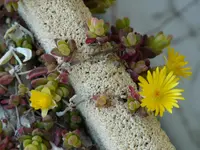
In cold, wet climates, place a flat stone or paver slightly upslope from the plant to deflect winter runoff and reduce the risk of root and crown rot.

Controlled Spreading Edges

To keep mats dense but contained, lift and trim back outer stems once a year, then replant selected healthy tips into gaps to fill in bare patches.

Rock Crevice Placement

Tuck small divisions into narrow rock crevices or wall pockets filled with very gritty soil, which warms quickly and keeps stems dry at the base for better long-term vigor.

Division Timing Strategy

Divide established clumps every 3–4 years in early spring, replanting only the firm, non-woody outer sections to maintain flowering performance and support growing Fine Sheepfig in a compact form.

Common Pests and Diseases

Aphids

This pest feeds on young stems and flower buds, sucking sap and causing distortion, yellowing, and sticky honeydew on Delosperma lineare mats.

Solution

Rinse colonies off with a firm stream of water, then spot-treat remaining clusters with insecticidal soap or a light horticultural oil spray, repeating weekly until new growth appears clean and ants are no longer attracted to honeydew.

Mealybugs

These insects hide in stem joints and among dense foliage, producing cottony white clusters and weakening plants by sap feeding.

Solution

Dab visible insects with cotton swabs dipped in isopropyl alcohol, prune heavily infested stems, and follow with 2–3 applications of insecticidal soap or neem oil, ensuring spray reaches into crevices without saturating the soil.

Spider mites

This pest thrives on hot, dry, reflective sites, causing stippled, dull foliage and fine webbing on the dense, low-growing carpets of this succulent.

Solution

Increase humidity around the plant with occasional overhead rinsing, wash foliage thoroughly to remove mites and webs, and apply a miticidal soap or neem oil to all leaf surfaces every 5–7 days until stippling stops on new growth.

Crown and stem rot

This disease appears in poorly drained or overwatered sites, where succulent stems turn brown, mushy, and collapse from the crown outward.

Solution

Remove and discard all soft, discolored tissue, improve drainage with raised beds or gritty soil, reduce irrigation, and avoid overhead watering so stems dry quickly; in persistent wet climates, replant only healthy cuttings into sharply draining, sandy substrate to support long-term Delosperma lineare care.

Interesting Facts

Narrow succulent foliage

This species forms low mats of very narrow, cylindrical succulent leaves that reduce surface area and water loss, an adaptation to exposed rocky habitats in its native South African range.

Cold-tolerant ice plant

Unlike many succulents, it has documented hardiness into at least USDA zone 6 in well-drained soil, allowing gardeners in relatively cold regions to grow Delosperma lineare outdoors year-round.

Yellow, daisy-like blooms

The plant produces numerous bright yellow, daisy-like composite flowers that open fully in strong light and close in low light, which helps protect reproductive structures from cool night temperatures and moisture.

FAQs about Fine Sheepfig

This species forms a low mat that slowly extends outward, but it is not considered aggressive. It spreads by short stems rooting at nodes. Edging, rock borders, or occasional trimming keep it neatly contained in garden beds.

Grow Healthy Plants with Botan Care

Keep your plants happy and healthy with plant identification, disease detection, and easy care guidance.

Botan plant care app — identify plants on mobile

Explore More Plants