Raphionacme procumbens Care

Raphionacme procumbens

About Raphionacme procumbens

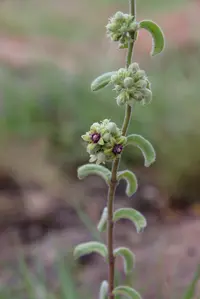
Raphionacme procumbens is a caudiciform succulent from arid regions of southern Africa, valued for its swollen underground tuber and fine, scrambling stems. It grows low to the ground, often with the caudex partly buried and delicate green shoots emerging seasonally.

This species is adapted to drought and strong light, which makes it sensitive to overwatering and poorly drained soil. Growth is usually active in the warmer months, then slows or rests in cooler or drier periods.

Because of its specific watering needs and seasonal rhythm, it suits growers who observe their plants closely. Understanding how to care for Raphionacme procumbens mainly involves balancing bright light, fast-draining soil, and careful, infrequent watering.

Main Plant Requirements

Care Difficulty

Moderate Care

Light Preference

Full Sun

Water Requirements

Low Water

Temperature Preference

Tropical / Frost Sensitive

Hardiness Zone

10–12

Soil Texture

Sandy, Loamy, Rocky

Soil pH

Slightly acidic (6.5–7.0), Neutral (7.0)

Soil Drainage

Well-drained

Fertilization

Minimal (feed rarely)

Get Personalized Care Plan

Scan your plant to receive care tips personalized for your specific plant

Available on iOS and Android

How to Care for the Raphionacme procumbens

This caudiciform species prefers bright, dry conditions similar to its native habitat.

  • Provide 6–8 hours of bright light daily, ideally full morning sun with light afternoon shade, to support compact growth and a firm caudex in Raphionacme procumbens.
  • Allow light, open shade during the hottest afternoon hours in summer to prevent leaf scorch and caudex sunburn, especially in small pots or reflective sites.
  • In winter, maximize light with unobstructed sun; too little light causes weak, elongated shoots, while intense low-angle sun through glass can still overheat tissue.

This species stores water in its caudex and must dry significantly between thorough waterings.

  • During active growth, water only when the top 3–5 cm of soil are completely dry, then soak fully and drain; the caudex should stay firm, not swollen and soft.
  • Use a very fast-draining mix and containers with drainage holes so excess water exits quickly, reducing the risk of root rot in Raphionacme procumbens.
  • In cool or dormant periods, reduce watering sharply and wait until the soil is dry through most of the pot and leaves have slowed or dropped before watering again.

This drought-adapted plant prefers warm, dry air and does poorly in cold, damp conditions.

  • Aim for 70–85°F (21–29°C) during active growth; brief peaks to 90–95°F (32–35°C) are tolerated if soil is dry-ish and air movement is good.
  • Protect from temperatures below 45°F (7°C); growth slows under 60°F (16°C), and any light frost can damage leaves and scar the caudex.
  • In winter, keep it cool to mildly warm, around 55–70°F (13–21°C), dry at the roots, and always above freezing to prevent hidden cold injury.

This caudiciform succulent handles typical indoor humidity well and rarely needs special humidity control.

  • Target 30–50% humidity, similar to most heated homes, as higher levels are unnecessary and can promote rot at the caudex.
  • Accepts very dry air if watering is conservative and the soil dries fully between waterings.
  • Watch for soft, lingering moisture at the stem base as a sign that humidity plus watering are too high and increase air movement around the plant.

Soil must be very fast-draining to protect the caudex from rot and mimic its sandy native habitat.

  • Use a gritty mix such as 50–70% mineral components (pumice, coarse sand, small gravel) with 30–50% low-organic cactus mix.
  • Aim for slightly acidic to neutral pH, around 6.0–7.0, which supports nutrient uptake without encouraging rot organisms.
  • Ensure large air spaces in the mix so roots receive oxygen; avoid fine peat-heavy substrates that stay wet and compact.
  • Never let the caudex sit buried in damp mix; keep its top exposed and avoid saucers that hold standing water.

This species is well suited to container growing because of its compact caudex and slow growth.

  • Choose a wide, shallow pot that allows the caudex to spread horizontally and keeps most of it above the soil line.
  • Use a heavy clay or ceramic pot to offset the plant’s top weight and reduce tipping as the caudex enlarges.
  • Select a pot with multiple drainage holes so the very gritty mix can shed water rapidly during sparse but deep waterings.

This caudiciform succulent grows slowly and needs only modest feeding in active growth.

  • Use a balanced liquid fertilizer (for example 10-10-10) at 1/4–1/2 strength during spring–summer when Raphionacme procumbens is in full growth.
  • Apply every 4–6 weeks, skipping any feed if the soil is still nutrient rich or growth is weak.
  • Avoid heavy organic compost that stays wet; use low-salt cactus or succulent formulas instead.
  • Stop feeding in autumn–winter dormancy to prevent soft, weak tissue and caudex rot.

This species needs minimal pruning, mainly to maintain a compact, tidy form above the caudex.

  • Late winter to early spring, before new growth, is the best time for any structural pruning.
  • Remove dead, damaged, or crossing stems with clean, sharp scissors or small pruners.
  • Lightly shorten overly long vines to encourage branching and denser foliage.
  • Avoid cutting into the caudex; focus on the thin trailing stems only.

This plant tolerates being slightly root-bound and only needs infrequent repotting in a well-drained mix.

  • Repot every 3–4 years, or when roots circle the pot or growth slows despite good light and watering.
  • Choose late spring, just as new growth begins, to reduce stress on the caudex and roots.
  • Move to a pot only 1–2 in wider, using a gritty cactus mix that drains very quickly.
  • Handle the caudex gently, disturb roots as little as possible, and keep watering light for 1–2 weeks after repotting.

Raphionacme procumbens is usually propagated by seed; vegetative methods are uncommon for home growers.

  • Sow fresh seed in late spring in a sterile, very well-drained cactus mix.
  • Maintain gentle bottom warmth (70–80°F) and bright, indirect light for best germination.
  • Keep the substrate just barely moist; avoid waterlogging to prevent seedling damping-off, a fungal rot.
  • Allow seedlings to develop a small caudex before potting individually in shallow, free-draining containers.

This caudiciform succulent prefers a cool, dry rest in winter and does not tolerate prolonged hard frost.

  • For containers, move plants indoors or into a cold greenhouse before temperatures drop below 40°F.
  • Keep soil almost dry in dormancy, watering only enough to prevent complete shriveling of the caudex.
  • Provide bright light and good air movement to discourage fungal issues in cool conditions.

Care Tips

Expose Caudex Gradually

Raise the plant slightly and gently remove a thin layer of substrate from around the caudex each spring so more of it is visible, but keep the root zone covered to avoid desiccation and mechanical damage.

Seasonal Growth Rest

In late fall, reduce handling and avoid repotting or disturbing roots during dormancy, as moving or dividing the plant when leafless often delays spring regrowth and increases rot risk.

Targeted Vine Support

Provide a low, wide trellis, wire hoop, or lattice close to the soil surface so the scrambling stems can be guided and secured, which prevents breakage and makes inspection for pests easier.

Controlled Root Pruning

During repotting every 3–4 years, trim only long circling roots with sterile tools, then let the plant dry for 1–2 days before the first light watering to allow cut surfaces to callus and reduce rot when growing Raphionacme procumbens.

Preventive Pest Scouting

Inspect the undersides of leaves and stem nodes every 2–3 weeks in the growing season, and rinse or wipe off early aphid or spider mite activity before resorting to insecticidal soap or horticultural oil treatments.

Common Pests and Diseases

Mealybugs

This pest commonly hides in the crevices of the caudex and along young shoots, sucking sap and causing distortion and weak growth. Symptoms include white cottony clusters on stems, leaf joints, and near the soil line.

Solution

Isolate the plant, then dab visible insects with cotton swabs dipped in 70% isopropyl alcohol and gently wipe affected areas of the caudex. For heavier infestations, rinse the plant under lukewarm water, allow the caudex to dry fully, then apply a systemic insecticide labeled for ornamental succulents and reduce excess nitrogen fertilization that promotes soft, mealybug-prone growth.

Spider mites

These insects favor hot, dry conditions around the caudex and trailing stems, leading to pale stippling, dull foliage, and fine webbing between leaves and internodes. Symptoms include slow decline during warm seasons, especially under intense indoor light with low humidity.

Solution

Increase air movement around the plant, then rinse stems and leaves thoroughly with a firm stream of water, focusing on leaf undersides and nodes. Follow with repeated applications of insecticidal soap or horticultural oil at 5–7 day intervals, ensuring the plant is kept in bright light with stable watering so it can recover without remaining in overly dry, stagnant air.

Scale insects

This pest often appears as small, brown or tan bumps attached to stems and older parts of the caudex, where it feeds on sap and excretes sticky honeydew. Symptoms include sooty mold growth on the honeydew and gradual weakening of vines.

Solution

Manually remove scales using a soft toothbrush or cotton swabs dipped in diluted alcohol, taking care not to damage the caudex skin. After mechanical removal, apply a systemic insecticide or repeated sprays of horticultural oil, and avoid crowding the plant so light reaches the lower stems where scales tend to persist.

Caudex soft rot

This disease affects the fleshy storage tissue of the caudex, causing localized soft, discolored, and often foul-smelling patches that can spread quickly under warm, wet conditions. Symptoms include a loss of firmness in the caudex and sudden collapse of attached stems.

Solution

Immediately reduce watering and unpot the plant to inspect the caudex, then cut away all soft, discolored tissue with a sterile knife until only firm, healthy tissue remains and dust the wound with a dry sulfur or copper-based fungicide. Allow the caudex to dry and callus in a warm, airy place for several days before replanting in a very fast-draining mineral mix and resume light watering only after new root growth is evident, which is central to Raphionacme procumbens care instructions.

Fungal leaf and stem spots

This disease appears as small brown or black spots on the narrow leaves and tender stems, sometimes coalescing into larger lesions that cause dieback of vine tips. Symptoms include increased spotting during prolonged cool, damp weather or when the plant is crowded in poorly ventilated conditions indoors or in a greenhouse.

Solution

Prune and discard all affected leaves and stem sections, cutting back to healthy tissue and sterilizing tools between cuts. Improve airflow, avoid overhead watering, and allow the soil surface and vines to dry between waterings, while using a broad-spectrum fungicide labeled for ornamental succulents if spotting continues to appear on new growth.

Interesting Facts

Underground caudex storage

This species forms a woody underground caudex, a swollen stem base that stores water and nutrients, allowing it to survive long dry periods in its native southern African habitats.

Prostrate growth habit

The stems usually grow flat along the ground rather than upright, an adaptation that helps reduce water loss and heat stress in open, sun-exposed environments.

Milky latex sap

Like many members of the Apocynaceae family, it produces a white, milky latex in its tissues, which helps protect the plant from herbivores by making it unpalatable.

Botan icon

Did you know?

In habitat, the caudex often remains mostly buried under sand or soil, so local people may walk over mature plants without noticing that a large, old storage organ is hidden just below the surface.

FAQs about Raphionacme procumbens

This species usually performs best outdoors in a bright, warm, very dry position that mimics its native habitat. In cooler climates it can be kept in a sunny greenhouse or windowsill, but indoor conditions must stay dry and well‑ventilated.

Grow Healthy Plants with Botan Care

Keep your plants happy and healthy with plant identification, disease detection, and easy care guidance.

Botan plant care app — identify plants on mobile

Explore More Plants