Echeveria walpoleana Care

Echeveria walpoleana

About Echeveria walpoleana

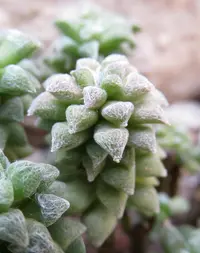
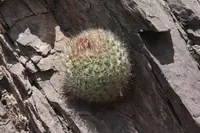
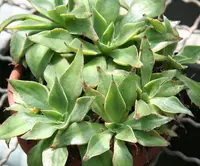
Echeveria walpoleana is a compact succulent from Mexico, forming tight rosettes of fleshy, often glaucous leaves. It grows low to the ground and slowly forms small clumps over time.

This species is adapted to bright, dry habitats with well-drained, rocky soils. Its drought tolerance and slow, orderly growth make it suitable for containers and small indoor collections.

The plant generally prefers strong light, low to moderate watering, and gritty soil, which simplifies how to care for Echeveria walpoleana for most home growers.

Main Plant Requirements

Care Difficulty

Moderate Care

Light Preference

Full Sun

Water Requirements

Low Water

Temperature Preference

Tropical / Frost Sensitive

Hardiness Zone

10–11

Soil Texture

Sandy, Loamy, Rocky

Soil pH

Slightly acidic (6.5–7.0), Neutral (7.0)

Soil Drainage

Well-drained

Fertilization

Minimal (feed rarely)

Get Personalized Care Plan

Scan your plant to receive care tips personalized for your specific plant

Available on iOS and Android

How to Care for the Echeveria walpoleana

This succulent needs strong light to maintain compact rosettes and good color.

  • Provide 6–8 hours of bright light daily, with direct morning sun and bright, filtered light or light shade in hot afternoon hours.
  • Outdoors, place Echeveria walpoleana where it gets open exposure but is shielded from intense midday summer sun to reduce leaf scorch risk.
  • If rosettes stretch, lean, or lose color, increase light exposure gradually over 1–2 weeks to prevent sunburn, especially after cloudy periods.

Watering should mimic an arid climate with clear wet-dry cycles.

  • Allow the top 3–5 cm of soil to dry completely before watering, then soak thoroughly so excess drains away from the root zone.
  • Reduce watering sharply in cool or short-day seasons, waiting until the whole root ball feels very light and leaves are just starting to soften.
  • Watch for overwatering signs such as yellowing, translucent, or mushy lower leaves and a sour soil smell; wrinkled, thin leaves indicate the plant needs water.

This species prefers warm, dry conditions with protection from frost and extreme heat.

  • Aim for 65–80°F (18–27°C) during active growth for best leaf color and compact rosettes.
  • Protect the plant from temperatures below 35–40°F (2–4°C); prolonged exposure near freezing or frost causes leaf damage and can kill the roots.
  • In hot spells above 90°F (32°C), increase air circulation, provide afternoon shade, and avoid watering during peak heat to reduce heat and rot stress.

This species prefers dry air and typical indoor humidity around 30–50% with no extra humidity needed.

  • Tolerates centrally heated, dry rooms without special measures, as long as watering is conservative.
  • High humidity above 60% increases risk of leaf rot and fungal spots, especially if air movement is poor.
  • If air is very humid, improve ventilation and avoid overhead misting to keep rosettes dry.

Use a very fast-draining, mineral-rich mix to prevent root rot in Echeveria walpoleana.

  • Choose a gritty mix based on sandy or loamy texture with many coarse particles to keep pores open around the roots.
  • Aim for 50–70% inorganic material such as pumice, coarse perlite, chicken grit, or crushed lava rock, with the rest lean potting mix or compost.
  • Keep pH slightly acidic to neutral, around 6.0–7.0, avoiding strongly alkaline or salty substrates that burn roots.
  • Avoid dense, peat-heavy or clayey mixes; lighten them by blending in extra perlite and fine gravel for better drainage and aeration.

This species is very suitable for container growing due to its compact, shallow root system.

  • Select a wide, shallow pot to match the horizontal root spread and keep the crown above the rim for quick drying after watering.
  • Use unglazed terracotta when possible, as it wicks moisture from the mix and reduces the chance of prolonged wetness at the roots.
  • Fill the bottom layer with the same gritty mix, not rocks, so water does not pool and create a perched water table near the roots.

Light feeding supports compact growth for Echeveria walpoleana in active seasons.

  • Use a balanced liquid fertilizer (around 10-10-10 or 20-20-20) diluted to 25% strength for container plants.
  • Apply once every 4–6 weeks in spring and summer only, on already moist soil to avoid root burn.
  • Skip feeding in fall and winter when growth slows, especially in cool indoor conditions.
  • Avoid rich compost or heavy organic feeds that retain excess moisture around the roots.

Minimal pruning keeps Echeveria walpoleana tidy and reduces disease risk.

  • Best time is spring or early summer when plants resume active growth.
  • Remove dead, shriveled, or damaged leaves at the base using clean, sharp scissors or pruners.
  • Trim elongated, leggy stems to encourage a compact rosette form and denser growth.
  • Discard any rotting material promptly to improve air circulation and prevent fungal problems.

Repotting is infrequent but important to maintain healthy roots and drainage.

  • Repot every 2–3 years or when roots circle the pot, growth slows, or soil stays wet too long.
  • Choose late spring as the best time, when temperatures are stable and growth is starting.
  • Use a shallow pot with drainage holes and a gritty succulent mix to limit water retention.
  • Gently loosen roots, remove old soil, let any breakages callus for 1 day, then water lightly after 3–5 days.

Propagation allows expansion of a collection and renewal of aging Echeveria walpoleana rosettes.

  • Use leaf cuttings or offsets in late spring to early summer for the highest success rate.
  • Gently twist healthy leaves from the stem, let them callus for 2–3 days, then place on dry gritty mix.
  • Keep in bright, indirect light with minimal watering until roots and tiny rosettes form.
  • For offsets, separate with a clean knife, allow cut surfaces to dry, then pot in slightly moist, fast-draining soil.

Winter care focuses on avoiding freezing damage and excess moisture around the roots.

  • This species is frost sensitive and should be kept above 35–40°F whenever possible.
  • Move containers indoors to a bright, cool, dry room before the first hard frost.
  • Reduce watering sharply in winter, allowing the soil to dry completely between light waterings.
  • In mild climates, use a gravel mulch around the crown to keep leaves off cold, wet soil.

Care Tips

Encourage Compact Rosettes

Rotate the pot 90° every 1–2 weeks and keep light coming from slightly above rather than the side to maintain a tight, symmetrical rosette and prevent lopsided stretching.

Controlled Summer Hardening

If conditions allow, move plants outdoors for 2–4 weeks in late spring into bright, dry, rain-sheltered conditions to toughen leaf tissues and enhance color, then bring them back indoors before prolonged rain or heat waves above 95°F.

SafeGrit Topdressing

Apply a 0.5–1 cm layer of horticultural grit or coarse sand on the soil surface to keep lower leaves dry, reduce fungus gnat breeding, and give clear visual separation between stem and soil when checking for rot.

Systematic Offset Management

Remove offsets with a clean, sharp blade once they reach at least 2–3 cm across, let the cut surfaces callus for 2–3 days in dry shade, then pot them in individual cells or small pots to prevent crowding and maintain strong form on the mother plant.

Prevent Sunburn Transition

When moving a plant from indoor light to stronger outdoor or greenhouse light, increase exposure over 7–10 days by gradually lengthening daily sun periods to avoid sudden leaf bleaching or burn while growing Echeveria walpoleana.

Common Pests and Diseases

Mealybugs

This pest feeds on leaf sap and hides in the tight rosette and between older leaves, where cottony white clusters become visible. Symptoms include slowed growth, distorted new leaves, and sticky honeydew that can attract sooty mold.

Solution

Isolate the plant, then dab visible mealybugs with cotton swabs dipped in 70% isopropyl alcohol, taking care to reach deep into the rosette. Repeat every 5–7 days until no new insects appear, and improve light and airflow to reduce reinfestation while avoiding overfertilizing, which encourages soft, pest-prone growth.

Aphids

These insects often cluster on flower stalks, buds, and young leaves, sucking sap and causing distortion, curling, and sticky honeydew deposits. Ants may be attracted to the honeydew and can indicate an active infestation.

Solution

Rinse the plant gently with a firm stream of water to dislodge aphids, then treat remaining colonies with insecticidal soap or a dilute neem oil spray, avoiding applications in strong direct sun. Remove heavily infested flower stalks and reduce excess nitrogen fertilization, which favors soft, aphid-susceptible growth.

Soft scale

This pest appears as small, dome-shaped brown or tan bumps on stems and leaf bases that do not move when touched. Symptoms include yellowing, reduced vigor, and sticky honeydew that may support black sooty mold on leaf surfaces.

Solution

Gently scrape or wipe off individual scales with a soft tool or cloth moistened with 70% isopropyl alcohol, then follow with a thorough application of insecticidal soap or horticultural oil, ensuring coverage of leaf bases and stems. Inspect regularly over several weeks and maintain bright, direct light and good spacing, which help the plant recover and limit spread.

Powdery mildew

This disease appears as white, powdery patches on leaves, often starting in shaded or crowded areas of the rosette. Symptoms include dull, discolored foliage and slower growth, especially under cool nights and poor airflow.

Solution

Improve airflow and light, avoid wetting the leaves when watering, and remove the most affected leaves if feasible. Treat remaining foliage with a sulfur-based fungicide or a potassium bicarbonate product labeled for succulents, applying in the evening or under low light to avoid leaf burn and repeating as directed until symptoms stop spreading.

Edema

Symptoms include small corky, blister-like spots on leaves, often on older foliage, caused by roots taking up water faster than the leaves can transpire under cool, humid, or low-light conditions. This physiological disorder is common in compact Echeveria rosettes kept overly moist, especially in heavy or water-retentive soil mixes.

Solution

Allow the soil to dry more thoroughly between waterings, use a fast-draining cactus and succulent mix, and ensure the pot has large drainage holes. Provide more bright light and avoid sudden heavy watering after a dry spell; existing spots will not disappear, but new growth should form clean once watering and light are balanced for proper Echeveria walpoleana care.

Interesting Facts

Mexican cliff specialist

This species is native to rocky slopes and cliffs in central Mexico, where it grows in shallow, mineral-rich soils exposed to strong sun and periodic drought.

Naturally waxy foliage

The leaves develop a noticeable glaucous (bluish, waxy) coating that helps reduce water loss and protects the tissue from intense solar radiation in its native habitat.

Seasonal rosette change

Its compact rosettes often become more tightly packed and slightly smaller in the dry season, an adaptation that further limits water loss in its semiarid range and informs practical Echeveria walpoleana care instructions.

FAQs about Echeveria walpoleana

Growth is moderate for a small succulent. In good light and with proper watering, this plant usually adds a few leaves per season and may take 2–3 years to reach a full rosette size.

Grow Healthy Plants with Botan Care

Keep your plants happy and healthy with plant identification, disease detection, and easy care guidance.

Botan plant care app — identify plants on mobile

Explore More Plants