Delosperma neethlingiae Care

Delosperma neethlingiae

About Delosperma neethlingiae

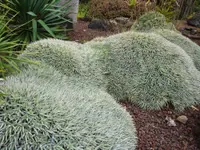
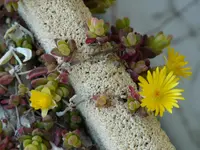
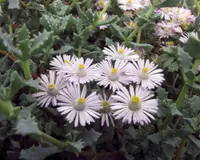
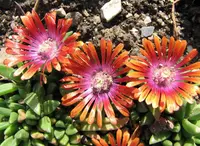
Delosperma neethlingiae is a small, mat-forming succulent from rocky habitats in South Africa. It belongs to the ice plant group, known for fleshy, water-storing leaves. The foliage forms low cushions or spreading clumps, often dotted with small, daisy-like flowers that attract pollinators in warm weather. Its compact growth habit makes it suitable for rock gardens, containers, or as a tight groundcover in dry spots. This species is adapted to strong sun, sharp drainage, and lean, mineral soils, which makes it drought tolerant but sensitive to excess moisture. Once the basic needs are understood, it is relatively easy to care for Delosperma neethlingiae in suitable climates.

Main Plant Requirements

Care Difficulty

Easy Care

Light Preference

Full Sun

Water Requirements

Low Water

Temperature Preference

Cold Hardy

Hardiness Zone

5–9

Soil Texture

Sandy, Loamy, Rocky

Soil pH

Slightly acidic (6.5–7.0), Neutral (7.0)

Soil Drainage

Well-drained

Fertilization

Minimal (feed rarely)

Get Personalized Care Plan

Scan your plant to receive care tips personalized for your specific plant

Available on iOS and Android

How to Care for the Delosperma neethlingiae

This alpine succulent thrives in bright, open conditions with strong sun exposure.

  • Provide 6–8 hours of direct sun daily; morning and midday sun are ideal, with some light afternoon shade in very hot inland areas.
  • In cooler or coastal climates, full sun all day promotes compact growth and abundant flowering in Delosperma neethlingiae.
  • Watch for stress signals: pale, elongated shoots indicate too little light, while scorched, brown patches on leaves suggest excess intense afternoon sun.

This drought-tolerant succulent prefers infrequent, deep watering and fast-draining soil.

  • Allow the top 3–5 cm of soil to dry fully before watering; in hot, dry periods this may mean watering every 7–14 days, less often in cool seasons.
  • Use gritty, sharply draining soil or a rock garden setting so water never pools around the roots after rain or irrigation.
  • Reduce watering in fall and winter; shriveling, soft leaves usually mean overwatering, while thin, wrinkled foliage indicates prolonged drought.

This species handles a wide temperature range but needs protection from severe cold in many regions.

  • Active growth is best at 65–80°F (18–27°C), with warm days and cooler nights improving color and flowering.
  • Mature plants can tolerate brief drops to about 15–20°F (-9 to -6°C) if soil is very free-draining and the crown does not sit in winter-wet conditions.
  • In hot summers above 90°F (32°C), provide some afternoon shade and avoid reflective surfaces that can overheat foliage and dry the soil extremely fast.

This species thrives in dry air and usually does not need special humidity management.

Delosperma neethlingiae needs very free-draining, mineral-rich soil to prevent root rot.

  • Use a gritty, sandy mix such as 50–70% coarse sand or grit blended with cactus mix or lean loam.
  • Ensure extremely sharp drainage; raised beds or rock garden pockets help excess water escape quickly.
  • Aim for slightly acidic to neutral pH around 6.0–7.2, avoiding heavy lime or very acidic media.
  • Avoid clay-heavy, compacted, or peat-rich substrates that hold water and restrict air flow around the roots.

This ice plant is suitable for container growing, especially in shallow, well-drained pots.

  • Choose a low, wide container that matches its spreading habit so stems can trail rather than bunch and rot at the center.
  • Select porous materials like unglazed terracotta to let the mix dry faster after rain or watering.
  • Raise the pot on feet or blocks outdoors so drainage holes stay clear and water cannot pool under the base.

This drought-tolerant succulent needs only light feeding to stay healthy.

  • Use a low-dose balanced liquid fertilizer (around 10-10-10) diluted to 25–50% strength in spring.
  • Feed Delosperma neethlingiae once at the start of active growth, and again mid-summer if growth is weak.
  • Avoid high-nitrogen or rich composts that encourage soft, leggy growth and reduce flowering.
  • Stop feeding in late summer so new growth hardens before colder weather.

Light pruning keeps this mat-forming ice plant dense and flowering well.

  • Best time for pruning is after the main flowering flush in late spring or early summer.
  • Remove dead, damaged, or leggy stems with clean, sharp scissors or small pruners.
  • Trim back lightly to shape the mat and encourage new, compact growth and more flowers.
  • Shear off spent blooms and straggly tips rather than cutting into very old, woody sections.

This species is usually grown in the ground, with container plants needing only infrequent repotting.

  • Check for roots circling the pot drainage holes, drying out very fast, or slowed growth as signs to repot.
  • Plan repotting or transplanting in spring, when conditions are mild and roots re-establish fastest.
  • Move Delosperma neethlingiae every 2–3 years into a shallow container with gritty, fast-draining mix.
  • Gently loosen the root ball, avoid breaking succulent roots, and water lightly until growth resumes.

This plant is commonly propagated from stem cuttings and division for reliable clonal plants.

  • Take 5–8 cm non-flowering stem cuttings in late spring or early summer.
  • Allow cut ends to dry and callus for 1–2 days before placing in gritty, barely moist mix.
  • Keep cuttings bright and warm (65–75°F) with very light watering until roots develop.
  • Divide well-established clumps in spring, replanting sections at the same depth in sharp-draining soil.

This ice plant is fairly cold tolerant but benefits from simple precautions in harsh winters.

  • In-ground plants in mild climates usually overwinter without special protection if soil drains well.
  • Apply a thin layer of gravel mulch around crowns to keep stems dry, not thick organic mulch.
  • Move containers under cover or indoors to a bright, cool spot in regions with prolonged freezes.

Care Tips

Improve crown drainage

Plant on a slight mound or in a raised pocket of gritty mix so water sheds away from the crown, which reduces winter rot and keeps the center of the mat from thinning out over time.

Use stone mulch

Top-dress around the plants with a 1–2 cm layer of small gravel or coarse grit instead of organic mulch to keep stems dry, prevent splash-borne fungal spots, and stabilize soil temperatures.

Encourage compact spread

Pinch back or lightly trim after the main flush of flowers to promote branching and a dense, even mat rather than long, straggly runners.

Plan for winter wet

In regions with cold, wet winters, site plants on slopes, in rock walls, or in fast-draining crevices where snow and rain do not linger, which greatly improves long-term survival when growing Delosperma neethlingiae.

Propagate insurance plants

Root short, non-flowering stem pieces in a tray of very gritty medium during warm months so you always have spare plants to fill any gaps or replace losses after harsh winters.

Common Pests and Diseases

Mealybugs

This pest feeds on succulent stems and leaf joints, sucking sap and causing stunted growth and yellowing segments. Symptoms include white, cottony clusters lodged in crevices of the plant and at the base of stems.

Solution

Isolate the plant, then dab visible insects with cotton swabs dipped in 70% isopropyl alcohol and gently wipe off residues. For heavier infestations, rinse the plant with a firm stream of water, allow to dry quickly, then apply a labeled insecticidal soap or ready-to-use neem oil, repeating every 7–10 days until no new pests appear.

Aphids

These insects cluster on young shoots and flower stems, extracting sap and causing curling or distortion. Symptoms include sticky honeydew on the foliage and sometimes the growth of black sooty mold on affected surfaces.

Solution

Spray the plant with a firm stream of water to dislodge aphids, then apply insecticidal soap to all stem and leaf surfaces, including undersides. Improve air movement and avoid heavy nitrogen fertilization, which encourages soft, aphid-prone growth, and repeat treatment every 5–7 days until populations drop.

Spider mites

This pest thrives in hot, dry conditions and targets the fine foliage segments, causing stippling, dull coloration, and eventual leaf drop. Symptoms include very fine webbing between stems and a dusty appearance on affected areas.

Solution

Increase humidity around the plant without keeping the soil wet, and rinse foliage thoroughly under lukewarm water to remove mites and webs. Follow with repeated applications of insecticidal soap or horticultural oil, applied in the early morning or evening, ensuring full coverage of all stems and joints.

Botrytis blight

This disease favors cool, damp conditions and can attack dense mats of foliage and flowers, leading to soft, water-soaked spots that develop gray fuzzy mold. Symptoms include collapsing shoots and discolored, mushy flower parts, especially in shaded or poorly ventilated areas.

Solution

Remove and discard infected stems and flowers, then thin overcrowded patches to improve air circulation and reduce surface moisture. Avoid overhead watering, water early in the day so the foliage dries quickly, and in persistent cases use a labeled fungicide suitable for ornamental succulents according to package directions.

Crown and stem rot

This disease complex, often caused by soilborne fungi in waterlogged conditions, leads to blackened, mushy stem bases and sudden collapse of entire sections of the mat. Symptoms include a foul odor at the crown, plants pulling up easily, and tissue that breaks apart when touched.

Solution

Promptly remove and dispose of affected sections, including any discolored roots and surrounding soil, and replant only healthy, firm cuttings into a sharply draining, gritty mix. Improve drainage by raising the planting area, reducing irrigation, and avoiding organic mulches around the crown, which is critical for long-term Delosperma neethlingiae care.

Interesting Facts

High-altitude specialist

This species is native to high-elevation rocky slopes in South Africa, where it grows in thin, fast-draining soils that experience large day–night temperature swings.

Compact mat-forming habit

It forms tight, low cushions of succulent foliage, an adaptation that reduces water loss and protects growing points from intense mountain sun and drying winds.

Cold-tolerant ice plant

Compared with many other Delosperma species, it is noted by alpine growers for relatively good cold hardiness when kept dry in winter, making it a valued candidate in rock gardens and trough plantings.

FAQs about Delosperma neethlingiae

This species forms a low, slowly spreading mat. It can fill gaps between rocks or along edges but is not considered aggressive. It rarely overwhelms neighboring plants if given well-drained, lean soil and moderate space.

Grow Healthy Plants with Botan Care

Keep your plants happy and healthy with plant identification, disease detection, and easy care guidance.

Botan plant care app — identify plants on mobile

Explore More Plants