Japanese lady fern Care (Deparia petersenii)

Also known as: false spleenwort
Japanese lady fern

About Japanese lady fern

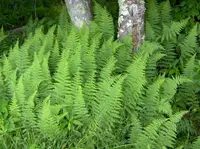
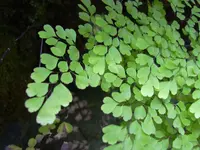
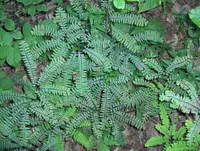
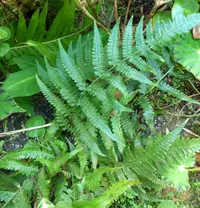
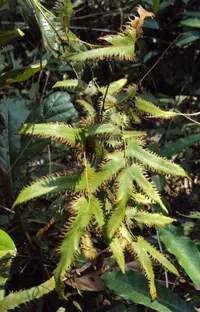
Japanese lady fern, Deparia petersenii, is a shade-loving terrestrial fern valued for its fine, lacy fronds and graceful, arching clump-forming habit. It stays relatively low and creates a soft, layered look in understory plantings.

This species occurs naturally in moist forests and along stream banks across parts of East and Southeast Asia, where it grows in humus-rich, consistently damp soils. In cultivation, it is considered moderately easy if its need for shade, moisture, and cool, sheltered conditions is respected.

Understanding how to care for Japanese lady fern mainly involves providing steady moisture, protection from hot sun, and well-drained but organically rich soil.

Main Plant Requirements

Care Difficulty

Moderate Care

Light Preference

Partial Shade

Water Requirements

Keep Soil Moist

Temperature Preference

Warm Climate

Hardiness Zone

8–11

Soil Texture

Loamy, Silty, Organic-rich

Soil pH

Acidic (5.5–6.5), Slightly acidic (6.5–7.0)

Soil Drainage

Moist but well-drained

Fertilization

Minimal (feed rarely)

Get Personalized Care Plan

Scan your plant to receive care tips personalized for your specific plant

Available on iOS and Android

How to Care for the Japanese lady fern

This woodland fern prefers soft, filtered light rather than direct sun exposure.

  • Provide bright dappled shade or light shade, such as under deciduous trees, with 1–3 hours of gentle morning sun and no harsh afternoon sun.
  • In cooler, coastal climates, Deparia petersenii tolerates more light if soil stays evenly moist and fronds are protected from hot, drying winds.
  • Watch fronds for bleaching or crispy edges as a sign of too much sun, or sparse, floppy growth as a sign of insufficient light.

This fern thrives in consistently moist, never waterlogged soil.

  • Water when the top 2–3 cm of soil feels slightly dry, aiming for evenly damp soil that does not form puddles or shine with standing water.
  • Increase watering in warm, dry weather and reduce slightly in cool seasons, but avoid letting the root zone fully dry out at any time.
  • Yellowing, limp fronds with soggy soil suggest overwatering, while crisped tips and curled fronds in dry soil indicate underwatering or poor moisture retention.

This species prefers mild, moist conditions and is sensitive to temperature extremes.

  • Aim for growth temperatures around 60–75°F (16–24°C), similar to a cool, shaded woodland environment with steady humidity.
  • Protect the plant from frost, as damage often appears when temperatures fall below about 28°F (-2°C), especially during sudden cold snaps without insulating mulch.
  • During hot spells above 86°F (30°C), provide extra shade, mulching, and consistent moisture to prevent heat stress and frond scorch.

This fern benefits from consistently moist air and reacts quickly to dry indoor conditions.

  • Aim for 50–70% humidity to keep fronds lush and reduce browning.
  • Tolerates brief drops to 40%, but prolonged dry air causes crispy tips, dull color, and slowed growth.
  • Increase humidity with a pebble tray, grouping plants, or a small humidifier rather than frequent misting for Japanese lady fern.

This fern prefers loose, moisture-retentive but well-drained, humus-rich soil that mimics a woodland floor.

  • Use a mix of roughly 50% peat or coco coir, 30% compost, and 20% perlite or fine bark for structure and drainage.
  • Target slightly acidic to neutral pH around 5.5–7.0 to support nutrient availability and root health.
  • Ensure the mix stays evenly moist but never waterlogged, as stagnant, saturated soil suffocates roots and encourages rot.
  • Improve aeration in dense, bagged potting mixes by blending in extra perlite or fine bark chips before planting Deparia petersenii.

This species adapts well to container growing when moisture and space are managed carefully.

  • Choose a pot wider than it is deep to allow the creeping rhizomes to spread without crowding.
  • Select a heavier ceramic or clay pot if placing outdoors, as the spreading fronds can catch wind and tip lighter containers.
  • Line the bottom with a thin layer of coarse bark or chunky perlite above the drainage holes to prevent mix compaction while still allowing fast outflow of excess water.

This fern benefits from light, consistent feeding during active growth but is sensitive to excess salts.

  • Use a balanced, water-soluble fertilizer (around 10-10-10) at 1/4–1/2 strength for Japanese lady fern in spring and summer.
  • Apply every 4–6 weeks when fronds are actively expanding, skipping feeds if soil is rich or growth is strong.
  • Choose slow-release granules or a thin layer of compost for container or border plants needing steadier nutrition.
  • Stop feeding in fall and winter, when growth slows or stops, to avoid weak, overly soft fronds.

Deparia petersenii benefits from light, periodic pruning mainly to maintain vigor and tidiness.

  • Best time to prune is late winter to early spring, just before new fronds unfurl.
  • Remove dead, yellowing, or damaged fronds at the base with clean, sharp scissors or pruners.
  • Thin out crowded, overlapping fronds to improve air flow and reduce fungal problems.
  • Avoid cutting healthy green fronds heavily, as this weakens the plant and reduces its full, arching shape.

This fern prefers stable conditions, so repotting or transplanting is done only when clear signs of crowding appear.

  • Check for roots circling the pot, pushing through drainage holes, or slowed growth as cues to move Deparia petersenii.
  • Plan repotting or transplanting in early spring, allowing the plant a full growing season to re-establish.
  • Expect container plants to need a larger pot every 2–3 years; in-ground clumps can be lifted and reset less often.
  • Reduce root stress by watering well before moving, handling the root ball gently, and keeping soil evenly moist afterward.

This fern is most commonly propagated by division rather than from spores, which are more technical to handle.

  • Carry out division in early spring when new growth nubs appear but before fronds fully expand.
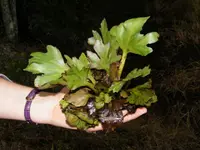
  • Lift the clump and divide the rhizome into sections, each with several healthy buds and roots.
  • Replant divisions at the same depth in moist, humus-rich soil, firming gently around roots.
  • Maintain high humidity and consistent moisture, avoiding waterlogged conditions, until new fronds emerge strongly.

In many mild to cool climates this fern is reasonably hardy but benefits from simple winter care, especially in containers.

  • Mulch the root zone with 5–7 cm of leaf mold or bark in late fall to moderate soil temperature.
  • Allow deciduous fronds to die back naturally, then remove them to limit fungal issues.
  • Move container-grown plants to a sheltered, frost-free but cool spot if winters drop well below freezing.

Care Tips

Rhizome Crown Placement

Plant the rhizome so the crown sits just at or slightly above the soil surface to prevent rot and to allow new fronds to emerge freely.

Use Leafy Mulch

Apply a 2–5 cm layer of shredded leaves or fine bark around the plant each spring to mimic forest litter, stabilize soil moisture, and protect shallow roots without burying the crown.

Summer Heat Buffering

In hotter climates, place the pot inside a larger cachepot or sink it into the ground during peak summer to keep roots cooler and reduce heat stress when growing Japanese lady fern.

Frond Thinning Routine

Every late winter, remove dead, yellowing, or congested inner fronds to improve air movement through the clump and reduce fungal spotting on emerging growth.

Slug and Snail Barriers

In damp, shaded sites, set out low dishes of beer or use copper tape around pots to reduce slug and snail damage on the tender new fronds without resorting to broad-spectrum pesticides.

Common Pests and Diseases

Scale insects

These insects attach to fronds and stems, sucking sap and causing yellowing, stunted growth, and sticky honeydew that may lead to sooty mold. Infestations often begin on sheltered, shaded parts of the plant or on the underside of fronds.

Solution

Wipe affected fronds with a cloth or cotton pad dipped in diluted insecticidal soap or horticultural oil, repeating weekly until no new scale appears. In dense plantings of Deparia petersenii, thin crowded fronds to improve airflow and inspect nearby ferns, treating any that show early signs to prevent reinfestation.

Fern aphids

These insects cluster on soft new fronds and rachises, causing leaf distortion, pale fronds, and sticky residue. Symptoms include curled or misshapen emerging fronds and slowed overall growth, especially in moist, protected fern collections.

Solution

Rinse colonies off with a firm but gentle stream of water, then follow with insecticidal soap sprayed thoroughly on both sides of the fronds. Reduce excess nitrogen fertilization, monitor new growth closely, and remove heavily distorted fronds to limit population buildup when growing Japanese lady fern in shaded beds or containers.

Rhizoctonia leaf spot

This disease produces irregular brown lesions on fronds, which may coalesce and cause whole pinnae to die back, especially in crowded, damp plantings. Symptoms include a patchy, blighted appearance starting on lower or inner fronds where humidity is highest.

Solution

Prune and discard affected fronds, avoiding overhead watering so foliage dries more quickly, and space plants to increase air circulation in shaded borders. In repeatedly affected sites, use a fungicide labeled for fern leaf spots at the first sign of lesions and avoid leaving old frond debris around the crown, as it can harbor fungal inoculum.

Pythium crown and root blight

This disease affects the crown and fine roots in persistently wet, poorly drained soil, leading to sudden wilting, frond collapse, and poor establishment of new divisions. Symptoms include blackened, mushy crown tissue and easily pulled, rotted roots in overly saturated ground or containers without adequate drainage.

Solution

Remove and discard severely affected plants, improve drainage by amending soil with coarse material, and avoid letting containers sit in standing water. For early or mild cases, trim out rotted roots, replant divisions into fresh, well-drained medium, and irrigate only when the upper substrate begins to dry slightly rather than on a fixed schedule.

Interesting Facts

Broad native range

This fern occurs naturally from the Himalayan region through Southeast Asia to eastern Asia and parts of the Pacific, showing strong ecological flexibility in warm, humid forest understories and along shaded streams.

Aggressive naturalized colonizer

Outside its native range, especially in the southeastern United States and Hawaii, it has escaped cultivation and formed dense colonies that can displace local understory vegetation, so it is monitored as an invasive species in several jurisdictions.

Reproduces from fragments

Besides spreading by spores, it can regenerate from small rhizome pieces and persistent root fragments left in moist soil, which complicates removal efforts where it has become invasive.

FAQs about Japanese lady fern

Yellowing fronds usually result from excess light, overwatering with poor drainage, or natural aging of older fronds. Check for soggy soil, compacted substrate, or direct sun exposure, then trim spent fronds to improve appearance and airflow.

Grow Healthy Plants with Botan Care

Keep your plants happy and healthy with plant identification, disease detection, and easy care guidance.

Botan plant care app — identify plants on mobile

Explore More Plants