Root Establishment Support
Stake young shrubs for the first 1–2 years in windy sites to keep the root ball stable while it anchors, then remove stakes once the trunk can stand rigidly on its own.

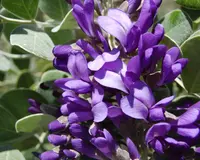
Texas mountain laurel, Dermatophyllum secundiflorum, is a small, slow-growing evergreen tree or large shrub native to Texas and northern Mexico. It naturally occurs on rocky hillsides, canyons, and limestone outcrops.
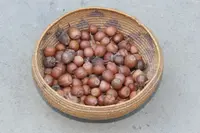
The plant has dense, dark green leaflets and showy spring clusters of violet-blue flowers with a strong, sweet fragrance. Its hard, glossy seeds are bright orange to red and very distinctive.
This species is drought tolerant and long lived but slow to establish, so it suits patient gardeners and low-maintenance landscapes. It prefers full sun, well-drained, often alkaline soil, and benefits from thoughtful planning on how to care for Texas mountain laurel from planting onward.

Care Difficulty
Moderate Care

Light Preference
Full Sun

Water Requirements
Low Water

Temperature Preference
Warm Climate

Hardiness Zone
7–10

Soil Texture
Sandy, Loamy, Rocky

Soil pH
Slightly alkaline (7.0–7.5), Alkaline (7.5–8.5)

Soil Drainage
Well-drained

Fertilization
Minimal (feed rarely)
Scan your plant to receive care tips personalized for your specific plant
Available on iOS and Android
This drought-tolerant shrub prefers strong light and benefits from several hours of direct sun daily for dense growth and flowering.
This deep-rooted legume prefers infrequent, thorough watering and dry intervals rather than constantly moist soil.
This species is adapted to warm, semi-arid climates and handles heat better than prolonged cold or hard frost.
Humidity is a minor factor for Dermatophyllum secundiflorum compared with light and soil drainage.
Dermatophyllum secundiflorum prefers lean, very well-drained, slightly alkaline soil that mimics rocky native sites.
This species can be grown in containers but remains slow and eventually needs a large, stable setup.
This drought-adapted native needs minimal feeding, but light nutrition can support growth in poor soils.
Pruning Dermatophyllum secundiflorum focuses on safety, structure, and light shaping rather than heavy cutting.
This species is usually grown in the ground; transplanting young plants requires care due to its deep taproot.
Dermatophyllum secundiflorum is most often propagated from seed, which can be slow and requires pre-treatment.
Mature plants are quite cold hardy in suitable climates and usually need little special winter care.

Plant Health Check
Not sure what's wrong with your plant? Check your plant's health inside the app.
The bright purple seeds contain quinolizidine alkaloids such as cytisine, which act as potent neurotoxins and make the seeds highly poisonous if chewed or ingested.
The strongly scented purple flower clusters are primarily pollinated by large native bees, which are able to pry open the tight, pea-like corollas that many smaller insects cannot access.
Like other legumes, its roots host symbiotic bacteria that fix atmospheric nitrogen, helping this slow-growing shrub thrive on poor, rocky soils in arid and semi-arid habitats.

In parts of the southern United States and northern Mexico, the intensely fragrant spring bloom has made this species a traditional indicator of seasonal change, with its grape soda–like scent widely recognized even by people who cannot identify the plant visually, which adds cultural value to growing Texas mountain laurel in residential landscapes.
Lack of flowering usually comes from too much shade, heavy pruning of flowering wood, or excess nitrogen fertilizer. Late frosts can also damage buds. Avoid hard pruning, keep it in high light, and use balanced, low-nitrogen fertilizer.
Keep your plants happy and healthy with plant identification, disease detection, and easy care guidance.