Common Crazed Cap Care (Dermoloma cuneifolium)

Common Crazed Cap

About Common Crazed Cap

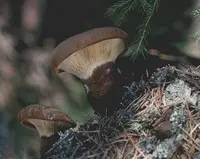
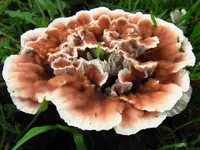
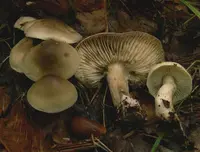
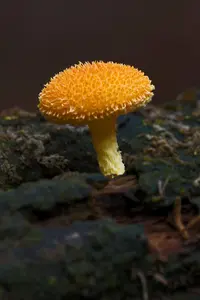
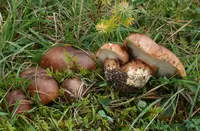
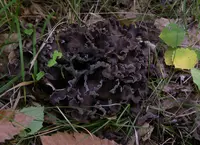
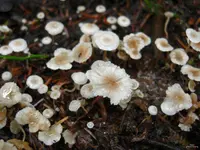
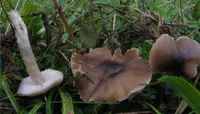
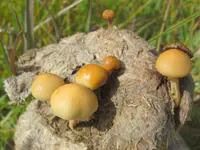
The common crazed cap, Dermoloma cuneifolium, is a small, ground-dwelling mushroom rather than a leafy plant. It typically forms thin, gray to brown caps with pale, closely spaced gills and a slender stem, often appearing scattered or in small groups.

This fungus is usually found in nutrient-poor grasslands, heaths, and short turf in parts of Europe and some temperate regions, often where soils are relatively undisturbed. It is not commonly cultivated, and attempts to care for Common Crazed Cap at home are rarely successful, as it depends on specific soil communities and long-established grassland conditions.

In nature it prefers open light, stable, unimproved soils, and consistent but not waterlogged moisture, which are hard to reproduce in gardens or containers.

Main Plant Requirements

Care Difficulty

Hard Care

Light Preference

Partial Shade

Water Requirements

Moderate Water

Temperature Preference

Cool Climate

Hardiness Zone

Unknown

Soil Texture

Loamy, Sandy, Organic-rich

Soil pH

Acidic (5.5–6.5), Slightly acidic (6.5–7.0)

Soil Drainage

Well-drained

Fertilization

Minimal (feed rarely)

Get Personalized Care Plan

Scan your plant to receive care tips personalized for your specific plant

Available on iOS and Android

How to Care for the Common Crazed Cap

This woodland fungus prefers cool, shaded conditions that mimic its natural forest-floor habitat.

  • Provide dappled or filtered light under grasses, low shrubs, or sparse tree canopy, avoiding direct midday sun that can dry the substrate quickly.
  • Aim for 1–3 hours of weak morning sun only; full afternoon sun often overheats the soil surface and may reduce fruiting of Common Crazed Cap.
  • In summer, protect sites from strong, prolonged exposure by using taller companion plants; in winter, increased low-angle sun is usually harmless due to cooler temperatures.

Moist but not waterlogged soil supports stable mycelium and reliable fruiting.

  • Allow the top 1–2 cm of soil or leaf litter to dry slightly between natural rainfall or supplemental watering, then moisten evenly without creating standing water.
  • Use a loose, well-drained mineral or sandy loam so water moves through within a few minutes; prolonged puddling suggests compaction or poor drainage that can damage Dermoloma cuneifolium.
  • During hot, windy weather, check moisture every 1–2 days; dull, shrunken caps can signal dryness, while sour smell or slimy substrate indicates excess moisture.

This species favors cool to mild conditions and is most active in temperate seasons.

  • Optimal growth and fruiting occur around 50–65°F (10–18°C), typical of cool autumn or spring weather in many temperate regions.
  • The fungus usually tolerates brief dips to about 32°F (0°C), but repeated hard freezes below 28°F (-2°C) can halt fruiting and damage exposed fruit bodies.
  • Sustained heat above 77°F (25°C), especially combined with dry soil, often suppresses fruiting; partial shade and consistent moisture help buffer short heat spells.

This fungus prefers moderately moist air but is not highly sensitive to humidity changes outdoors.

  • Target ambient humidity around 50–70% in sheltered cultivation areas such as shade houses.
  • It tolerates brief drier spells, but prolonged air below 40% with drying winds can desiccate caps and fruiting bodies.
  • Signs of humidity stress include cracked caps, rapid shriveling, and poor fruiting; increase moisture by light misting of surrounding leaf litter rather than soaking the mushrooms, which supports caring for Common Crazed Cap.

This species develops best in loose, well-aerated, humus-rich soil that drains freely yet holds some moisture.

  • Use a sandy or loamy base with high organic matter, such as fine composted leaf litter mixed into the top 5–10 cm.
  • Ensure rapid drainage so water does not pool; a slight slope or raised bed structure helps excess water move away from the rooting zone.
  • Aim for slightly acidic to neutral conditions around pH 5.5–7.0, avoiding strongly alkaline or compacted mineral subsoils.
  • To support Dermoloma cuneifolium, incorporate fine bark, leaf mold, and a small amount of coarse sand to improve aeration while maintaining an organic surface layer that mimics woodland soil.

This species is generally unsuitable for container growing because it relies on complex soil and habitat conditions that are difficult to reproduce in pots.

Dermoloma cuneifolium naturally thrives in nutrient-poor soils and Common Crazed Cap care instructions rarely include added fertilizer.

Dermoloma cuneifolium does not require structured pruning, but minimal tidying supports hygiene and observation.

  • Inspect fruiting areas after mushrooms collapse and remove only clearly rotten or moldy remains to reduce pathogen buildup.
  • Avoid disturbing living mycelium in the soil; do not dig, rake deeply, or cut into the substrate around fruiting sites.
  • Use clean hands or a soft brush rather than blades, since shaping or cutting does not improve growth or fruiting.

This fungus is typically grown in the ground, so care focuses on transplanting habitat rather than moving individual clumps.

  • Only consider transplanting when a site will be disturbed by construction or heavy landscaping, not as routine care.
  • Best timing is early autumn or early spring, when soil is moist and temperatures are mild, to limit mycelium stress.
  • Lift a wide, deep block of soil containing the mycelium, keeping the structure intact and avoiding crumbling.
  • Replant immediately at the same depth in similar, low-nutrient, well-drained soil, then water lightly to settle soil without waterlogging.

Dermoloma cuneifolium propagation is specialized and seldom attempted by home growers, as the fungus depends on complex soil relationships.

This species is naturally cold hardy in its native range and usually needs no special winter care in the ground.

Care Tips

Habitat-style placement

Site colonies in short, unimproved grass or mossy, compact turf rather than deep leaf litter, since this mimics the tight, low-sward habitats where this fungus fruits most reliably.

Minimal disturbance zone

Mark and protect the fruiting patch from foot traffic, cultivation, and raking, as disturbance of the thin fungal mycelium layer can stop mushroom production for several seasons.

Careful mowing schedule

If the fungus grows in a lawn, use the highest mower setting and cut only after caps have fully matured and released spores, leaving clippings in place to maintain a stable microhabitat.

Soil nutrient control

Avoid lawn fertilizers, compost applications, and manure near the colony, because nutrient enrichment favors coarse grasses and competitive fungi that can displace this species.

Moisture-buffer mulching

Around but not directly on the fruiting zone, use a very thin layer of fine, inert mineral grit or sand to smooth evaporation and protect the delicate surface mycelium from repeated wet–dry stress when caring for Common Crazed Cap.

Common Pests and Diseases

Slime mold colonization

This disease appears as gray, whitish, or translucent slimy patches on or around fruiting bodies after wet conditions. Symptoms include surface smears that can obscure gill structure and cause premature decay.

Solution

Remove heavily colonized caps and nearby debris to reduce spread, and avoid overhead watering or excessive disturbance that keeps surfaces wet for long periods. Improve airflow at ground level by gently thinning dense surrounding vegetation so caps dry more quickly after rain or irrigation.

Mycophagous springtails

These insects are tiny, pale to dark arthropods that feed on fungal tissue and spores in the soil and litter. This pest can leave small pits or ragged areas on young caps, especially in very damp microhabitats.

Solution

Limit persistent saturation of leaf litter by reducing unnecessary watering and encouraging moderate drying cycles in the upper soil layer. If populations are high, gently lift and remove the most affected litter layer and replace it with fresh, clean organic material to disrupt their habitat while maintaining the fungus-friendly environment needed for growing Common Crazed Cap.

Fungus gnat larvae

This pest lives in damp organic matter and feeds on fine fungal mycelium, sometimes weakening the colony so fewer or smaller caps appear. Symptoms include a decline in fruiting after periods of high gnat activity, often with visible tiny black adult gnats hovering near the ground.

Solution

Reduce constant moisture by allowing the upper soil or litter surface to dry slightly between waterings and avoid standing water in nearby containers or trays. Yellow sticky traps help reduce adult numbers, while periodically lifting and replacing the top layer of overly wet organic matter can lower larval populations without disturbing deeper mycelium.

Interesting Facts

Preference for poor soils

This fungus typically fruits on nutrient-poor, often compacted or sandy grasslands, which helps it avoid competition from more vigorous soil fungi that dominate richer sites.

Wedge-shaped gill base

The species name cuneifolium refers to its wedge-shaped gills that narrow where they meet the stem, a key diagnostic feature used by mycologists to distinguish it from similar grey-brown grassland mushrooms.

Indicator of old grasslands

Populations are often associated with long-established, unimproved grasslands in parts of Europe, so its presence can indicate relatively undisturbed, low-input pasture or lawn habitats.

FAQs about Common Crazed Cap

This small woodland mushroom is not considered edible and should be treated as inedible. Identification is difficult, and closely similar species may be toxic. For safety, avoid consuming it and focus on observation rather than harvest.

Grow Healthy Plants with Botan Care

Keep your plants happy and healthy with plant identification, disease detection, and easy care guidance.

Botan plant care app — identify plants on mobile

Explore More Plants