Desmidorchis arabica Care

Desmidorchis arabica

About Desmidorchis arabica

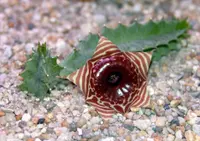
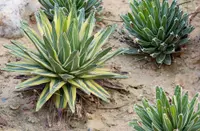
Desmidorchis arabica is a small, leafless succulent from arid regions of the Arabian Peninsula. It belongs to the stapeliad group, known for their unusual, often star-shaped flowers. The plant grows as low, clumping, green to grayish stems that store water and help it survive long dry periods.

In cultivation it is treated as a niche collector’s plant, valued for its sculptural form and rare status rather than lush foliage. It prefers strong light, excellent drainage, and careful, infrequent watering, which can make how to care for Desmidorchis arabica more demanding for beginners than common houseplants.

Main Plant Requirements

Care Difficulty

Moderate Care

Light Preference

Partial Sun

Water Requirements

Low Water

Temperature Preference

Tropical / Frost Sensitive

Hardiness Zone

Unknown

Soil Texture

Sandy, Rocky, Loamy

Soil pH

Slightly acidic (6.5–7.0), Neutral (7.0)

Soil Drainage

Well-drained

Fertilization

Minimal (feed rarely)

Get Personalized Care Plan

Scan your plant to receive care tips personalized for your specific plant

Available on iOS and Android

How to Care for the Desmidorchis arabica

This succulent prefers bright, indirect light similar to high, open shade in arid regions.

  • Provide 4–6 hours of bright, filtered light daily, such as morning sun with light shade or dappled light the rest of the day.
  • Protect from harsh midday and afternoon sun, especially in summer, to avoid stem scorch and bleaching of Desmidorchis arabica.
  • In winter, move plants to the brightest possible spot or use supplemental light if days are very short, keeping them frost free.

This species is a drought-tolerant succulent that stores water in its stems.

  • Allow the soil to dry out at least in the top 3–5 cm before watering again, using fast-draining, gritty soil to prevent root rot.
  • Water thoroughly, then let excess drain away; prune watering back sharply in winter when growth slows and evaporation is low.
  • Watch for yellowing, soft stems as a sign of overwatering, and wrinkling or slight shriveling as a sign that the plant needs water.

This plant prefers warm, dry conditions with good air movement.

  • Aim for 70–85°F (21–29°C) during active growth, with slightly cooler but still dry conditions at night.
  • Protect from cold; growth slows below 60°F (16°C) and damage can occur below 45°F (7°C), with no frost tolerance at all.
  • In hot spells above 95°F (35°C), increase shade and airflow, and avoid overhead watering during the hottest part of the day to limit stress.

This species prefers dry air and generally does best in typical indoor humidity.

  • Aim for 30–50% relative humidity to mimic its arid native habitat and reduce rot risk.
  • Dry household air is well tolerated; avoid placing the plant in enclosed, constantly humid spaces.
  • Humidity stress shows as soft, translucent stems or blackened bases; improve air movement rather than adding moisture.

Use a very fast-draining, mineral-based mix that dries quickly between waterings.

  • Provide a gritty, open texture using roughly 50–70% inorganic materials such as pumice, coarse sand, and fine gravel, with the rest lean cactus potting mix.
  • Ensure rapid drainage so water runs through in seconds; the mix should feel dry within a few days after watering.
  • A slightly alkaline to neutral pH around 7.0–7.5 suits Desmidorchis arabica, which naturally grows in calcareous, rocky substrates.
  • Avoid peat-heavy, compact, or moisture-retentive mixes that hold water around the roots and encourage rot; increase mineral content if the soil feels spongy.

This species is well suited to container growing due to its compact, succulent root system.

  • Select a wide, shallow pot to match its spreading, surface-oriented roots and reduce the risk of water sitting deep in the substrate.
  • Use an unglazed terracotta container to increase evaporation from the sides and keep the mineral mix drier between waterings.
  • Raise the pot on feet or mesh spacers so drainage holes stay clear and excess water leaves the container immediately after watering.

This drought-adapted succulent needs only light feeding under active growth to stay healthy.

  • Use a low-dose, balanced cactus or succulent fertilizer (for example 10-10-10) diluted to 25–50% strength.
  • Feed Desmidorchis arabica once every 4–6 weeks in spring and summer when growth is visible.
  • Avoid organic composts that stay wet; choose mineral-based or synthetic products instead.
  • Stop feeding in fall and winter when the plant is resting to prevent weak, etiolated growth.

Pruning is minimal and mainly for hygiene and shape control in this compact succulent.

  • Best timing is late spring to early summer, when plants are actively growing and heal fastest.
  • Use clean, sharp scissors or a knife to remove dead, shriveled, or diseased stems back to healthy tissue.
  • Thin out crowded or crossing stems to improve light exposure and air movement, keeping Desmidorchis arabica compact.
  • Allow cut surfaces to dry and callus for several days to lower the risk of rot or infection.

This species prefers a stable pot and is repotted infrequently to avoid root disturbance.

  • Check for roots circling the pot, pushing through drainage holes, or stalled growth as signs it needs a larger container.
  • Plan repotting for late spring, when temperatures are warm and the plant can resume growth quickly.
  • Repot every 3–4 years into a slightly larger, shallow pot filled with very fast-draining cactus mix.
  • Gently loosen the root ball, remove rotted roots, let any damaged areas dry briefly, then water sparingly after repotting to reduce stress.

Desmidorchis arabica is usually propagated by stem cuttings under warm, dry-leaning conditions.

  • Take firm, healthy stem sections in late spring or summer, using a sterile, sharp blade.
  • Allow cut pieces to dry and callus for 5–7 days in bright, indirect light before planting.
  • Set cuttings upright in a gritty, well-drained cactus mix and keep barely moist, never wet.
  • Maintain warmth around 70–80°F and good airflow until roots form, then transition slowly to normal watering.

This succulent is not frost hardy and needs managed conditions in cold climates.

  • Move container plants indoors before temperatures drop below 45°F, placing them in bright, indirect light.
  • Keep the potting mix almost dry in winter to prevent cold-related root rot in Desmidorchis arabica.
  • Avoid cold drafts and sudden temperature swings around the plant, aiming for 55–65°F indoors.
  • In mild, frost-free regions, ensure excellent drainage outdoors and shelter from prolonged rain.

Care Tips

Pot weight check

Use the weight of the pot as a guide and only water once it feels very light, since this species stores water in its stems and is prone to hidden root rot in still-damp mixes.

Top-dressing grit

Add a 0.5–1 cm layer of coarse mineral grit on the soil surface to keep stem bases dry, reduce algae growth, and discourage fungus gnats that are attracted to constantly moist organic surfaces.

Cool-season rest

Provide a drier, slightly cooler rest period in winter by spacing waterings further apart and avoiding fertilizer, which helps maintain compact growth and reduces the risk of etiolation and soft, weak stems.

Quarantine new plants

Keep any new succulents or stapeliads at least 2–3 weeks in a separate area and inspect regularly for mealybugs or scale before placing them near this plant, since these pests spread quickly and are difficult to eradicate from its crevices.

Targeted pest cleanup

If mealybugs appear in stem grooves or between tubercles, use a cotton swab dipped in 70% isopropyl alcohol to dab insects directly, repeating weekly as needed, which is safer and more precise than heavy systemic treatments when caring for Desmidorchis arabica.

Common Pests and Diseases

Mealybugs

This pest commonly hides in stem crevices and between tubercles, sucking sap and causing yellowing, stunting, and sticky honeydew on the plant surface.

Solution

Isolate the plant, then dab visible insects and cottony clusters with cotton swabs dipped in 70% isopropyl alcohol and repeat weekly until clear; for larger infestations, rinse the plant gently and apply a systemic insecticide labeled for succulents, keeping the plant in bright, airy conditions to reduce reinfestation when caring for Desmidorchis arabica.

Root mealybugs

These insects live in the potting mix around the roots, causing poor growth, shriveling stems, and weak root systems that do not anchor well.

Solution

Unpot the plant, wash off all old substrate, and remove visibly infested roots; trim damaged roots, soak the root zone in a mild systemic insecticide solution according to label directions, repot into fresh, very well-draining mineral mix, and avoid overwatering afterward.

Red spider mites

This pest thrives in hot, very dry air, leading to fine webbing, dull or stippled stem surfaces, and gradual decline of the plant.

Solution

Increase local humidity slightly without wetting the crown, then rinse stems under a gentle stream of water and treat with a targeted miticide or repeated applications of horticultural soap, ensuring good air movement and regular monitoring with a magnifier.

Soft rot (bacterial)

This disease causes sudden soft, watery, foul-smelling areas on stems, often starting where water has collected in crevices or wounds.

Solution

At first signs, cut away affected tissue into firm, healthy material with a sterile blade, dust the cut surfaces with dry sulfur or a copper-based product, and move the plant to a warmer, very dry, well-ventilated spot while strictly limiting watering until new, firm growth resumes.

Fungal stem spots

Symptoms include small, dark, sunken lesions on the succulent stems that may expand in humid, stagnant air, sometimes leading to localized collapse.

Solution

Remove and discard all affected stem sections, improve airflow, avoid overhead watering, and, if spots continue to appear, apply a low-toxicity fungicide labeled for ornamental succulents, allowing the substrate to dry fully between waterings to limit further spread.

Interesting Facts

Carrion-scented blooms

The flowers emit a faint carrion-like odor that attracts specific fly pollinators, a trait typical of stapeliad succulents but expressed in a relatively small, star-shaped corolla in this species.

Arabian Peninsula endemic

This species is naturally restricted to arid parts of the Arabian Peninsula, where it grows in rocky, well-drained habitats and survives intense heat with minimal rainfall.

Stapeliad stem structure

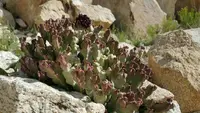
It forms small, compact, angular succulent stems with reduced or absent leaves, allowing efficient water storage and reduced surface area, an adaptation to desert conditions and central to Desmidorchis arabica plant care in cultivation.

FAQs about Desmidorchis arabica

This species often needs strong light, warm temperatures, and a slight dry rest between waterings to set buds. Overpotting, frequent repotting, or high-nitrogen fertilizer can also delay flowering for several seasons.

Grow Healthy Plants with Botan Care

Keep your plants happy and healthy with plant identification, disease detection, and easy care guidance.

Botan plant care app — identify plants on mobile

Explore More Plants