

Rock-pocket planting
Tuck the root ball into a shallow pocket between rocks or in a rocky trough so the leaves can sprawl and the crown stays slightly elevated, which mimics its natural habitat and prevents rot at the base.

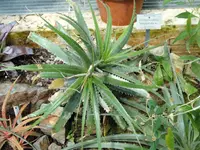
Deuterocohnia longipetala is a compact terrestrial bromeliad that forms tight, spiky rosettes, often creating cushion-like clumps over time. Its narrow, stiff leaves are armed with small teeth and give the plant a rugged, architectural look.
This species is native to arid, rocky regions of South America, where it grows in strong sun, wind, and poor, fast-draining soils. Because of these origins, it tolerates drought and lean substrates but dislikes excess moisture around the roots.
Overall, it is moderately easy to grow for those who provide bright light, sharp-draining soil, and careful watering. Beginners who learn how to care for Deuterocohnia longipetala usually find it a durable, slow-growing specimen for containers or rock gardens in suitable climates.

Care Difficulty
Moderate Care

Light Preference
Full Sun

Water Requirements
Low Water

Temperature Preference
Warm Climate

Hardiness Zone
9–11

Soil Texture
Sandy, Rocky, Loamy

Soil pH
Slightly acidic (6.5–7.0), Neutral (7.0)

Soil Drainage
Well-drained

Fertilization
Minimal (feed rarely)
Scan your plant to receive care tips personalized for your specific plant
Available on iOS and Android
This compact xerophytic bromeliad thrives in bright, open exposures with strong light.
This species is drought-tolerant and prefers infrequent, thorough watering with fast drainage.
This hardy bromeliad tolerates a wide temperature range but grows best in mild, dry conditions.
This species prefers rather dry air and usually does well in typical indoor humidity.
This terrestrial bromeliad needs a very fast-draining, mineral-heavy mix that dries quickly between waterings.
This compact, clumping species is well suited to container growing for long-term display.
This slow-growing bromeliad needs only light feeding in containers, and none in lean, outdoor rock gardens with mineral-rich soil.
Pruning needs for Deuterocohnia longipetala are minimal and focus on hygiene and maintaining a compact mound.
This species grows slowly and is usually repotted or transplanted infrequently, only when the clump outgrows its space.
Multiplication of this species is most practical by division of offsets, with seeds used mainly by specialists.
This highland xeric bromeliad is relatively cold tolerant but benefits from simple winter precautions in harsh climates.

Plant Health Check
Not sure what's wrong with your plant? Check your plant's health inside the app.
This species is native to rocky slopes of the central Andes in Bolivia and Argentina, where it grows in thin, mineral-rich soils and intense sun at relatively high elevations.
Individual rosettes slowly multiply and form dense cushions or mats that can cover rock surfaces, an adaptation that helps reduce water loss and protect roots in exposed habitats.
The narrow, stiff leaves have a tough, leathery texture and small marginal teeth, which help limit herbivory and reduce surface area for water loss in dry, windy environments.
Blooming is often delayed by insufficient light, a pot that is too rich and moist, or a very young clump. This species typically flowers only after forming a dense, mature cushion and experiencing seasonal temperature and moisture fluctuations.
Keep your plants happy and healthy with plant identification, disease detection, and easy care guidance.

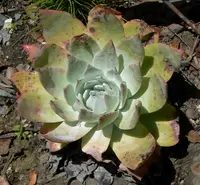
Anthony's liveforever
Dudleya anthonyi
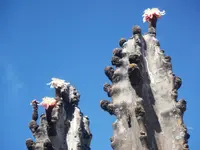
Neoraimondia macrostibas
Neoraimondia arequipensis
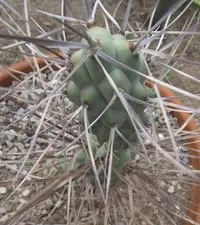
Tephrocactus aoracanthus
Tephrocactus aoracanthus
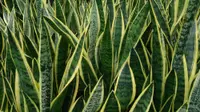 POPULAR
Snake plant
Dracaena trifasciata

Acanthocereus fosterianus
Acanthocereus fosterianus
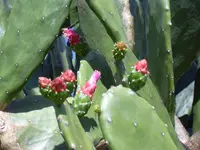
cochineal nopal cactus
Opuntia cochenillifera
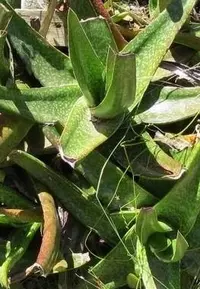
Coast Oxtongue
Gasteria acinacifolia
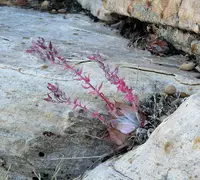
Arizona chalk dudleya
Dudleya arizonica