Dialonectria episphaeria Care

Dialonectria episphaeria

About Dialonectria episphaeria

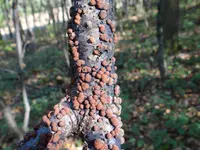
Dialonectria episphaeria is not a typical houseplant but a microscopic fungus that grows on other fungi, especially on decaying plant material or cankered wood. It forms tiny, often reddish structures that are usually only noticed under magnification by specialists.

This species occurs mainly in temperate regions, where it plays a role in breaking down infected or dead plant tissues. Because it is a specialized fungal parasite, it is not practical to cultivate in a home or garden setting.

For most plant owners, information on how to care for Dialonectria episphaeria is mainly of academic interest rather than everyday plant care use.

Main Plant Requirements

Care Difficulty

Moderate Care

Light Preference

Partial Shade

Water Requirements

Moderate Water

Temperature Preference

Warm Climate

Hardiness Zone

Unknown

Soil Texture

Loamy

Soil pH

Slightly acidic (6.5–7.0)

Soil Drainage

Well-drained

Fertilization

Minimal (feed rarely)

Get Personalized Care Plan

Scan your plant to receive care tips personalized for your specific plant

Available on iOS and Android

How to Care for the Dialonectria episphaeria

This fungus benefits from stable, moderate light rather than direct, intense sun exposure.

  • Provide bright, indirect light or dappled shade, such as under low shrubs or in woodland edges receiving 2–4 hours of weak morning sun.
  • Avoid strong midday or afternoon sun, which can overheat and desiccate the substrate supporting Dialonectria episphaeria, reducing vigor and spore production.
  • In summer, choose sites with filtered light; in low-light seasons, slightly thinner canopy cover helps maintain enough light without exposing the substrate to harsh rays.

Moisture conditions should stay consistently damp but never waterlogged to support this fungus on its host material.

  • Before watering or misting nearby host material, check that the surface is just starting to dry but still cool and slightly moist 1–2 cm below.
  • Use sharply draining substrate or host debris so excess water can run off; prolonged standing water encourages rot and loss of fungal tissue.
  • Reduce added moisture in cool seasons when evaporation slows, and watch for sour odor or slimy surfaces as signs of overwatering, or brittle, pale tissue as a sign of drying.

Stable, cool to mild temperatures support the life cycle of this fungus and limit stress on its host.

  • Aim for an active growth range of 50–70°F (10–21°C), where metabolic processes remain steady without overheating the substrate.
  • Protect from hard frost below 28°F (-2°C), which can damage exposed fruiting structures, and from rapid freeze–thaw cycles that crack host tissue.
  • In hot weather above 80°F (27°C), increase shade and airflow to prevent overheating and rapid drying, while in cooler months maintain shelter from cold winds and radiative frost.

This fungus handles a fairly wide humidity range but grows best in consistently moist air.

  • Aim for 60–80% humidity around host material to support reliable sporulation and colony development.
  • It tolerates short dips to 40–50% but prolonged dry air slows growth and can reduce visible fruiting structures.
  • Watch for pale, sparse mycelium or reduced spore production as signs of low humidity and increase moisture using localized misting or a humidity tent over the culture.

Dialonectria episphaeria is usually managed on host material rather than soil, but similar fungi respond predictably to substrate conditions.

  • If using an artificial substrate, choose a loose, fine-textured, organic-rich mix that stays evenly moist but never waterlogged.
  • Prioritize very sharp drainage by blending milled bark or wood-based material with coarse sand or perlite to keep air spaces open.
  • Keep pH near neutral (6.0–7.0) unless working from specialized protocols, as extreme acidity or alkalinity can suppress growth.
  • Avoid compacted, heavy, or peat-only substrates because they restrict aeration and encourage anaerobic pockets that damage fungal development.

This species can be grown in containers when managed as a lab or culture specimen rather than a decorative plant.

  • Use shallow, wide containers so the fungus can colonize host fragments or substrate in a thin, well-aerated layer.
  • Select rigid plastic or glass containers with tight-fitting but ventable lids to balance moisture retention with gas exchange.
  • Elevate the culture tray slightly inside the container so any free water drains away from the colonized material rather than pooling at the base.

This fungus is usually grown on natural substrates and does not require routine fertilization.

Pruning is generally unnecessary for Dialonectria episphaeria because it is managed as a microscopic fungal culture rather than a shaped ornamental plant.

Transplanting focuses on renewing the growth substrate rather than moving a conventional potted plant.

  • Replace the culture onto fresh, sterile medium when growth slows, contamination appears, or the surface is fully colonized.
  • Carry out transfers during active growth under clean conditions to reduce stress and contamination risk.
  • Use small sections of healthy, actively growing mycelium and move them gently with sterile tools.
  • Maintain similar temperature and moisture conditions after transfer to limit shock.

Propagation of this species is typically done by specialist fungal culture techniques rather than home methods.

No specific winter care is needed, as this species is maintained in controlled laboratory or culture conditions rather than outdoor plantings.

Care Tips

Inspect Host Material

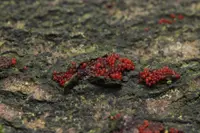
When working with infected plant debris or wood where this fungus occurs, regularly inspect with a hand lens to recognize fruiting bodies early and document disease progression accurately.

Use Clean Tools

Disinfect cutting tools with 70% isopropyl alcohol or a 10% bleach solution before and after sampling or pruning to avoid unintentionally transferring this pathogen or other fungi between plants.

Separate Work Zones

Handle diseased host material on a separate, easy-to-disinfect surface and keep it away from propagation benches or healthy potted plants to reduce cross-contamination risk.

Control Moist Debris

Promptly bag and remove heavily infected, wet organic debris rather than composting it on-site, since sporulation and spread are enhanced in persistently moist piles.

Record Environmental Data

When caring for Dialonectria episphaeria in a research or diagnostic setting, log humidity, temperature, and substrate moisture during sampling to better correlate environmental conditions with symptom development.

Common Pests and Diseases

Canker on host bark

This disease appears as small, sunken, discolored patches on the bark of infected host twigs or branches where the fungus develops on the surface. Symptoms include localized dead areas that may crack or ooze slightly as tissues dry out.

Solution

Prune out and dispose of affected twigs and small branches several inches below visible damage, disinfecting tools between cuts with 70% alcohol or a 10% bleach solution. Improve airflow and light penetration around the host plant canopy so surfaces where Dialonectria episphaeria develops dry quickly after rain or watering.

Stem tip dieback

This disease leads to browning and death of young stem tips, often starting from points where the fungus colonizes the bark or existing injuries. Symptoms include sudden wilting and darkening of distal shoots above the infection site.

Solution

Cut back affected shoots into healthy green tissue and destroy all prunings away from the planting area. Reduce plant stress through correct watering and balanced nutrition, and avoid mechanical injuries that create new entry points for the fungus, following general Dialonectria episphaeria care instructions to limit spread on susceptible hosts.

Interesting Facts

Highly specialized parasite

This fungus is a necrotrophic parasite that develops specifically on other fungi, including pyrenomycetes such as Nectria- and Diaporthe-like hosts, rather than directly on plants or animals.

Bright red perithecial dots

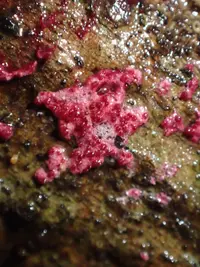
It produces minute, bright red to orange-red perithecia (flask-shaped fruiting bodies) that often appear as tiny colored dots clustered on the surface of its fungal hosts or on overwintered plant debris.

Cosmopolitan distribution pattern

This species has been recorded from multiple continents in temperate regions, occurring wherever suitable fungal hosts are present on dead wood, bark, and other plant remains.

FAQs about Dialonectria episphaeria

This species is a microscopic plant-pathogenic fungus, not a typical ornamental. Direct contact is unlikely to be toxic, but it should not be ingested or handled carelessly. Basic hygiene and avoiding inhaling spores is recommended.

Grow Healthy Plants with Botan Care

Keep your plants happy and healthy with plant identification, disease detection, and easy care guidance.

Botan plant care app — identify plants on mobile

Explore More Plants