Marasmius sullivantii Care

Marasmius sullivantii

About Marasmius sullivantii

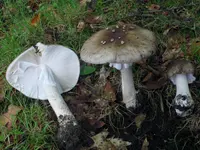
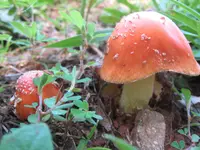
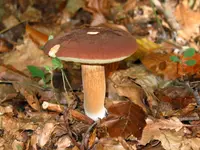
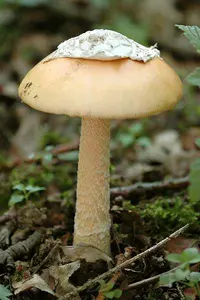
Marasmius sullivantii is a small saprophytic fungus that grows on decaying plant material, especially leaf litter and woody debris. It forms delicate, thin-stemmed mushrooms with small caps, often appearing in scattered groups on the forest floor.

This species occurs mainly in woodland habitats in North America, where it plays a role in breaking down organic matter and recycling nutrients. It is not commonly cultivated, and attempts to care for Marasmius sullivantii at home are challenging because it depends on very specific natural substrates and humidity conditions.

Main Plant Requirements

Care Difficulty

Moderate Care

Light Preference

Partial Shade

Water Requirements

Regular Water

Temperature Preference

Warm Climate

Hardiness Zone

Unknown

Soil Texture

Loamy, Organic-rich

Soil pH

Acidic (5.5–6.5)

Soil Drainage

Moist but well-drained

Fertilization

Minimal (feed rarely)

Get Personalized Care Plan

Scan your plant to receive care tips personalized for your specific plant

Available on iOS and Android

How to Care for the Marasmius sullivantii

This woodland fungus prefers low, filtered light similar to a shaded forest floor.

  • Place Marasmius sullivantii where it receives dappled or filtered light, such as under shrubs or trees, rather than direct open sun.
  • Aim for 1–3 hours of gentle early morning sun at most; strong midday or afternoon sun quickly dries the substrate and can kill fruiting bodies.
  • In summer, provide deeper shade or thicker mulch; in cooler months, slightly brighter but still indirect light helps sustain the underlying mycelium.

This species needs consistently moist, but not waterlogged, conditions around its organic substrate.

  • Before adding water, check that the upper 2–3 cm of leaf litter or wood chips feel just barely moist, never dusty dry or soupy.
  • Increase moisture during warm, dry spells by gently soaking the substrate until water just begins to percolate through, then allow excess to drain away fully.
  • Reduce supplemental watering in cool, wet seasons; signs of overwatering include sour odor and slimy substrate, while underwatering shows as crisp, brittle litter and no new fruiting.

This fungus thrives in mild, temperate conditions with cool to warm air and evenly moist ground.

  • Best fruiting occurs around 55–72°F (13–22°C), with the underground mycelium remaining active over a broader cool range.
  • It tolerates short dips to about 32°F (0°C), but repeated hard frosts and frozen ground can damage fruiting bodies and slow mycelial spread.
  • Sustained heat above 82–86°F (28–30°C), especially with dry air, stresses the colony, so provide shade, mulch, and extra moisture during hot periods.

This fungus prefers consistently moist, high-humidity conditions around its fruiting site.

  • Aim for 70–90% humidity near the substrate, as drier air quickly dehydrates caps and gills.
  • Watch for caps shrinking, edges curling, or rapid wilting as signs of humidity stress.
  • Increase local humidity by covering the tray with a ventilated plastic dome or placing it in a humid grow chamber.

Marasmius sullivantii develops best on moist, well-aerated, organic-rich substrate rather than dense mineral soil.

  • Use a loose mix of leaf litter, fine bark pieces, and well-rotted compost over a base of porous garden loam or coco coir.
  • Ensure rapid drainage so water passes through within seconds, leaving the substrate moist but never waterlogged.
  • Keep pH slightly acidic to neutral, around 5.5–7.0, by avoiding high-lime amendments and using leaf mold or peat-free compost.
  • Improve aeration by adding 20–30% coarse material like fine bark chips or perlite and avoid compacting the surface.

This species can be grown in shallow containers that mimic a moist forest floor.

  • Choose a wide, shallow tray so the substrate layer stays thin, which improves oxygen diffusion to the fungal mycelium.
  • Use a rigid plastic or glazed ceramic container to retain even moisture without losing too much water through the walls.
  • Elevate the container on spacers so drainage holes stay clear and brief flushing irrigation does not leave the base standing in water.

This saprobic fungus extracts nutrients from decaying organic matter and usually does not benefit from added fertilizer.

As a small woodland fungus, Marasmius sullivantii does not require pruning in cultivation.

Cultivation in containers is uncommon, so focus on minimally disturbing its natural or prepared substrate.

  • Transplant only when shifting to a fresh, well-drained, wood-rich substrate that mimics forest litter.
  • Move mycelium with a generous block of surrounding substrate to keep the delicate network intact.
  • Transplant during mild, moist weather in spring or fall to reduce stress and desiccation.
  • Water gently after moving and shade the area to maintain stable moisture while the colony re-establishes.

Propagation relies on spores and careful management of substrate rather than conventional plant methods.

  • Encourage spore-based spread by maintaining a moist, shaded site with abundant leaf litter or fine woody debris.
  • Introduce colonized substrate or spawn into fresh, similar material in spring or fall for best establishment.
  • Keep the medium evenly moist, not saturated, to support mycelial growth and avoid anaerobic conditions.
  • Limit disturbance of the colonized area so the mycelium can expand gradually through the organic layer.

In temperate climates this woodland fungus is naturally cold hardy and generally needs no special winter care.

  • Leave the colonized leaf litter or woody substrate undisturbed through winter to protect the mycelium.
  • A light layer of additional leaves can act as mulch, buffering freeze–thaw cycles around the substrate.
  • Container-based cultures, if used, are best overwintered in a cold, shaded, frost-free but unheated space.

Care Tips

Staggered Inoculation

Use small, separated patches of colonized substrate in leaf litter rather than one large block so flushes are spread out and you can observe which micro-sites support the best fruiting.

Moisture Shielding

Lay a loose layer of hardwood leaves or fine pine needles over the inoculated area to reduce surface evaporation while still allowing enough airflow to prevent bacterial growth.

Subtle Site Shading

Position the bed near low groundcover or behind a log or stone so the fruiting area stays slightly cooler and protected from wind, which helps preserve delicate caps between rains.

Rotation Of Litter

Top up with a thin layer (1–2 cm) of fresh, partially decomposed hardwood leaf litter once or twice per season rather than disturbing older layers, to maintain nutrition without breaking the mycelial network.

Targeted Observation Notes

Keep brief notes on which weather patterns and leaf types coincide with the best fruiting so future adjustments to caring for Marasmius sullivantii can be based on local, repeatable conditions rather than general advice.

Common Pests and Diseases

Fungus gnat larvae

This pest is attracted to the constantly moist, organic substrates used for cultivating this fungus. Larvae chew on fine mycelial threads and can reduce fruiting density.

Solution

Reduce excess surface moisture between misting cycles, use fine-mesh covers over vents or openings, and apply a biological control such as Bacillus thuringiensis israelensis (Bti) to the substrate to target larvae while leaving the fungus largely unharmed.

Mite contamination

These insects, especially soil and grain mites, thrive in warm, humid cultivation setups and feed on mycelium and young fruiting bodies. Symptoms include slowed colonization, deformed caps, and fine moving specks on substrate or mushrooms.

Solution

Lower humidity slightly, improve air circulation, and remove heavily infested blocks; for ongoing setups, use clean spawn, filter incoming air where possible, and introduce the crop into a clean grow space to prevent mite introduction when planning how to take care of Marasmius sullivantii.

Green mold (Trichoderma)

This disease appears as dense white growth that quickly turns bright or dull green on the substrate surface. Symptoms include stalled mycelial growth and localized areas where mushroom formation stops.

Solution

Promptly cut out or discard contaminated sections before spores spread, improve hygiene by sterilizing or thoroughly pasteurizing substrate, and avoid reusing contaminated equipment without cleaning with a disinfectant such as 70% isopropyl alcohol or a dilute bleach solution.

Bacterial blotch

This disease develops under stagnant, overly wet conditions and causes greasy, water-soaked spots and yellow to brown lesions on caps. Symptoms include a slimy surface and sometimes an unpleasant odor on affected mushrooms.

Solution

Reduce direct water sitting on caps by using finer mist and allowing more time for surfaces to dry, increase fresh air exchange to prevent condensation, and remove and discard any affected fruiting bodies to limit spread.

Interesting Facts

Leaf-litter specialist

This small agaric fungus is typically found growing on fallen oak leaves and other deciduous litter, helping to break down tough leaf tissues in temperate forests.

Cap color variability

Its tiny caps can vary from pale yellowish to more orange-brown tones, often becoming paler and more translucent as they age or dry.

Strong marcescent ability

Like many species in its genus, it can dry out completely and then revive and continue sporulating when moistened again, an adaptation known as marcescence.

FAQs about Marasmius sullivantii

This fungus is not considered an edible species and should not be collected for food. Identification within Marasmius and related genera is difficult, and misidentification risks poisoning. Treat it as non-edible and leave fruitbodies in place.

Grow Healthy Plants with Botan Care

Keep your plants happy and healthy with plant identification, disease detection, and easy care guidance.

Botan plant care app — identify plants on mobile

Explore More Plants