Deptford pink Care (Dianthus armeria)

Also known as: Mountain Pink, grass pink
Deptford pink

About Deptford pink

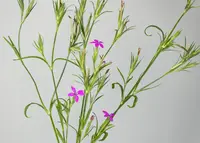
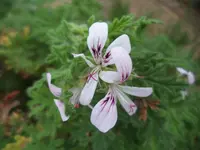
Deptford pink, Dianthus armeria, is a small annual wildflower in the carnation family. It is known for its delicate, bright pink, speckled blooms held on slender stems. Plants form loose, upright clumps rather than dense mats, giving a light, airy look in borders or naturalized plantings.

This species is native to Europe but has naturalized widely in parts of North America, often found in meadows, roadsides, and open, sunny fields. It adapts well to poor or sandy soils and typically prefers full sun and dry to moderately moist conditions.

These traits make it relatively easy to grow where winters are cool and soils are well drained, though it can be short-lived and relies on self-seeding. Gardeners who understand how to care for Deptford pink often value it for low-maintenance color in informal plantings.

Main Plant Requirements

Care Difficulty

Easy Care

Light Preference

Full Sun

Water Requirements

Low Water

Temperature Preference

Cold Hardy

Hardiness Zone

4–8

Soil Texture

Sandy, Loamy, Rocky

Soil pH

Slightly acidic (6.5–7.0), Neutral (7.0)

Soil Drainage

Well-drained

Fertilization

Minimal (feed rarely)

Get Personalized Care Plan

Scan your plant to receive care tips personalized for your specific plant

Available on iOS and Android

How to Care for the Deptford pink

This species prefers bright, open conditions similar to its native meadows and roadsides.

  • Provide full sun for 6–8 hours daily; light morning sun with some light afternoon shade is ideal in hotter regions to prevent leaf scorching.
  • Deptford pink tolerates light partial shade (3–4 hours sun), but flowering and compact growth decrease as shade increases.
  • Avoid dense shade, which leads to weak, floppy stems and sparse blooms; in winter, no special light adjustment is needed outdoors beyond natural daylength.

This plant prefers slightly dry, free-draining conditions and dislikes prolonged soil moisture.

  • Allow the top 3–5 cm of soil to dry between waterings; soil should feel dry and crumbly rather than cool and sticky before adding water.
  • In well-drained ground, Dianthus armeria usually needs more water only during hot, dry spells; water deeply but infrequently instead of light daily splashes.
  • Watch for overwatering signs such as yellowing, limp foliage and stem base softness; underwatering shows as dull, wilting leaves that recover quickly after a thorough soak.

This species is adapted to temperate climates with cool to warm growing seasons.

  • Optimal growth occurs around 60–75°F (16–24°C), with flowering strongest in mild, sunny conditions and well-drained soil.
  • Plants tolerate down to about 10–15°F (-12 to -9°C) once established, though young seedlings are more vulnerable to sudden hard frosts.
  • In summer, it handles short periods of 85–90°F (29–32°C) if soil drainage is sharp; persistent extreme heat with high humidity can reduce flowering and vigor.

Humidity is rarely a concern for Dianthus armeria, which prefers dry, breezy conditions.

  • Performs best at 30–50% humidity, similar to typical outdoor air in many regions.
  • Tolerates dry air well; excess humidity around dense foliage can encourage fungal spotting.
  • If foliage looks persistently damp or mildewed, increase airflow rather than adding moisture.

Dianthus armeria prefers mineral, well-aerated soil that drains quickly and never stays waterlogged.

  • Use a sandy or gritty loam with low to moderate organic matter to prevent soggy conditions.
  • Aim for slightly alkaline to neutral pH, around 6.5–7.5, by avoiding very acidic peat-heavy mixes.
  • Mix coarse sand or fine gravel into garden soil or potting mix to improve drainage and root aeration.
  • Avoid compacted clay, poorly drained sites, and thick mulch that keeps the crown constantly damp.

This species is suitable for containers if the potting setup keeps roots dry and well-aerated.

  • Choose a wide, shallow pot so the fibrous root system can spread without trapping deep moisture.
  • Use a gritty mix and elevate the container on pot feet so drainage holes stay clear after rain.
  • Select unglazed terracotta rather than plastic if extra evaporation is needed in wet or humid climates.

This species grows on lean soils and usually needs minimal feeding, but light fertilization can support flowering in garden settings when caring for Deptford pink.

  • Use a balanced, low-strength fertilizer (for example 10-10-10) at 1/2–1/4 label rate during peak growth in late spring–mid summer.
  • Apply a light top-dressing of compost around plants once in spring instead of frequent liquid feeds.
  • Avoid heavy or high-nitrogen products, which cause weak, floppy growth and fewer flowers.
  • Do not fertilize in late fall or winter, when plants are dormant or growth has stopped.

Pruning Dianthus armeria is mainly used to tidy plants and extend the flowering display.

  • Deadhead spent flower stems in summer by cutting back to a leafy node to encourage new blooms and a neater mound.
  • Remove dead, diseased, or storm-damaged stems whenever noticed, using clean, sharp scissors or hand pruners.
  • Thin out crowded, weak stems at the base to improve airflow and reduce fungal problems in humid weather.
  • In late fall, lightly trim back untidy growth, leaving low basal foliage to overwinter where the climate allows.

This species is usually grown in the ground and behaves as a short-lived perennial or self-seeding biennial, so transplanting is more relevant than frequent repotting.

  • Transplant seedlings or young plants in early spring or early fall, when temperatures are mild and soil is evenly moist.
  • Move plants if growth is stunted or they are shaded out, but expect older clumps to resent disturbance and recover slowly.
  • In containers, consider moving to a slightly larger pot only if roots circle the drainage holes or soil dries out very quickly.
  • Water well before and after transplanting, handle roots gently, and keep soil consistently moist for 1–2 weeks to reduce stress.

Dianthus armeria is most often propagated by seed, which germinates reliably under basic garden conditions.

  • Sow seeds outdoors in fall or early spring, pressing them into the surface of well-drained soil; light aids germination.
  • Keep the seed area lightly moist until seedlings emerge, usually within 2–4 weeks in cool to mild conditions.
  • Allow some flowers to go to seed; plants often self-sow, creating naturalistic drifts the following year.
  • For controlled sowing, start seeds in trays under bright light, then transplant seedlings once they have 2–3 true leaves.

Dianthus armeria is generally cold hardy and needs little winter care in most temperate climates.

  • In regions with very cold or exposed sites, apply a light mulch of straw or shredded leaves around the base after the ground cools.
  • Avoid heavy, wet mulch directly on crowns to reduce the risk of rot during freeze–thaw cycles.
  • Move container-grown plants into a sheltered, unheated area where temperatures stay above about 20–25°F and soil can drain freely.

Care Tips

Encourage Self-Seeding

Leave some spent flower heads on the plant from late summer onward so seed can mature and fall, then lightly scratch the top 0.5–1 cm of soil in autumn to improve natural reseeding and maintain future colonies.

Use Gravel Mulch

Spread a 0.5–1 in layer of fine gravel around the base instead of organic mulch to keep the crown dry, reduce weed competition, and mimic the well-drained, stony habitats this species prefers.

Site for Airflow

Space plants with at least 15–20 cm between clumps and avoid crowded mixed plantings to improve air circulation and reduce foliar disease in humid or rainy periods.

Support in Mixed Borders

In windy or exposed sites, plant in front of low, sturdy perennials or use discreet twiggy branches as a natural support so the slender flowering stems stay upright and visible rather than lodging over.

Plan Short-Lived Stands

Treat the plant as a reseeding biennial or short-lived perennial and interplant with other low-growing species, so even if one generation thins out, the gap is filled while new seedlings grow Dianthus armeria for the following season.

Common Pests and Diseases

Aphids

These insects cluster on young stems and flower buds, sucking sap and causing distortion, sticky honeydew, and reduced flowering.

Solution

Spray plants with a firm stream of water to dislodge colonies, then use an insecticidal soap or neem oil on all soft growth every 5–7 days until populations drop; encourage lady beetles by avoiding broad-spectrum insecticides nearby.

Spider mites

These pests thrive in hot, dry weather, causing fine stippling on leaves, a dull gray-green appearance, and sometimes light webbing on stems and buds.

Solution

Rinse foliage thoroughly, including undersides of leaves, then repeat every few days; raise local humidity slightly and apply a labeled miticidal soap or horticultural oil, ensuring full coverage of the small, narrow leaves.

Leaf spot

This disease produces small brown to purplish spots on foliage, which can coalesce and cause premature yellowing and drop of the narrow leaves.

Solution

Remove and discard affected leaves to reduce inoculum, water at the base to keep foliage dry, improve spacing and airflow, and if spotting is persistent in wet seasons, apply a labeled copper or chlorothalonil fungicide according to Dianthus armeria care instructions.

Rust

This disease causes orange to brown powdery pustules on leaf undersides, often with yellowing on the upper surface and gradual weakening of plants.

Solution

Promptly remove and destroy infected leaves, avoid overhead watering, and improve airflow; in recurring cases, apply a sulfur or copper-based fungicide at the first sign of pustules, following label directions and rotating products if possible.

Interesting Facts

Self-sowing annual strategy

This species is usually a short-lived annual or biennial that survives in the long term by producing many seeds that readily self-sow, allowing colonies to persist even though individual plants are temporary.

Edge-habitat specialist

It naturally favors dry, open, and often disturbed habitats such as field margins, light woodland edges, and road verges, where competition from taller vegetation is reduced.

Distinct petal spotting

The flowers have narrow, bright pink petals marked with small white or paler spots, a pattern that helps distinguish it from many other wild pinks and is used in field identification guides for Dianthus armeria care.

Botan icon

Did you know?

In parts of its introduced range, including regions of North America, this species behaves as a casual or locally established wildflower that can appear for several years in a site and then vanish again, closely tracking disturbance patterns and soil exposure rather than forming permanent, stable populations.

FAQs about Deptford pink

This species self-seeds freely and can form loose colonies, especially in open, disturbed soil. Deadhead spent flowers before seeds mature to limit spread, or allow some seed set if a naturalized look is acceptable.

Grow Healthy Plants with Botan Care

Keep your plants happy and healthy with plant identification, disease detection, and easy care guidance.

Botan plant care app — identify plants on mobile

Explore More Plants